Barber Shop in Pace, FL: What Actually Belongs on Your Shelf?
A barber shop in Pace, FL can help you answer a surprisingly useful question: which products will make your new cut easy to style tomorrow…

A barber shop in Pace, FL can help you answer a surprisingly useful question: which products will make your new cut easy to style tomorrow morning?
I love the promise of a great hair product. A jar says “effortless texture,” and suddenly I picture five-minute mornings and hair that looks good from every angle. Then the jar sits in the bathroom because the finish is too shiny, the hold is too stiff, or using it takes longer than doing my hair without it. Sound familiar?
The best routine starts with your haircut, hair type, and patience level. You do not need a shelf full of products. You need a few things that work together and a clear idea of what each one does. Here is my practical guide to choosing them.
A product cannot give every cut the same shape. A short, neat style may need little more than a small amount of styling cream. A longer top with visible movement may benefit from a product that adds texture. If you want a precise finish, you may prefer something with more control.
Think about the result you want in ordinary terms: “I want the top to stay out of my face,” “I like a natural finish,” or “I need this to survive my commute.” Those descriptions are more helpful than asking for the strongest product on the shelf.
Your hair’s thickness and texture matter, too. A heavy product can weigh down finer hair, while a tiny dab of lightweight cream may do very little for a fuller style. Start with a small amount, work it evenly through your hands, and add more only if you need it. Removing excess product is much harder than adding a little.
When I compare styling products, I look past the dramatic promises on the label and ask four questions:
Try one new product at a time, using a modest amount for several days. That gives you a fair sense of its finish and feel without guessing which of three new products caused the result. Follow the directions and warnings on the package; the FDA’s cosmetic safety guidance is a useful reminder that labels are part of using a product well.
These categories are a starting point, not a guarantee. Formulas vary from brand to brand, so check the individual label and ask how the product behaves in your hair.
Styling cream is often the first category I would explore for a relaxed look and light control. Paste is worth considering when you want more visible separation or shape. Clay commonly appeals to people seeking texture and a less shiny finish. Pomade may be a fit when you want a smoother, more defined look, though its finish and hold depend on the formula.
If you have fine hair, begin with less product than you think you need and concentrate on the areas that require control. If your style falls flat, ask your barber whether the issue is the product, the way you apply it, or the cut itself. Buying a stronger jar is not always the answer.
Shampoo and conditioner rarely get the glamorous shelf space, but they affect how manageable your hair feels before styling begins. The American Academy of Dermatology’s healthy hair guidance recommends washing the scalp and choosing care that suits your hair type. Conditioner can help with manageability, especially if the ends feel dry.
A leave-in conditioner may be useful when hair tangles easily or needs help feeling softer. It is not a substitute for every styling product, though: softness and hold are different jobs. The AAD’s leave-in conditioner tips explain where to apply it and why using too much can make hair look greasy.
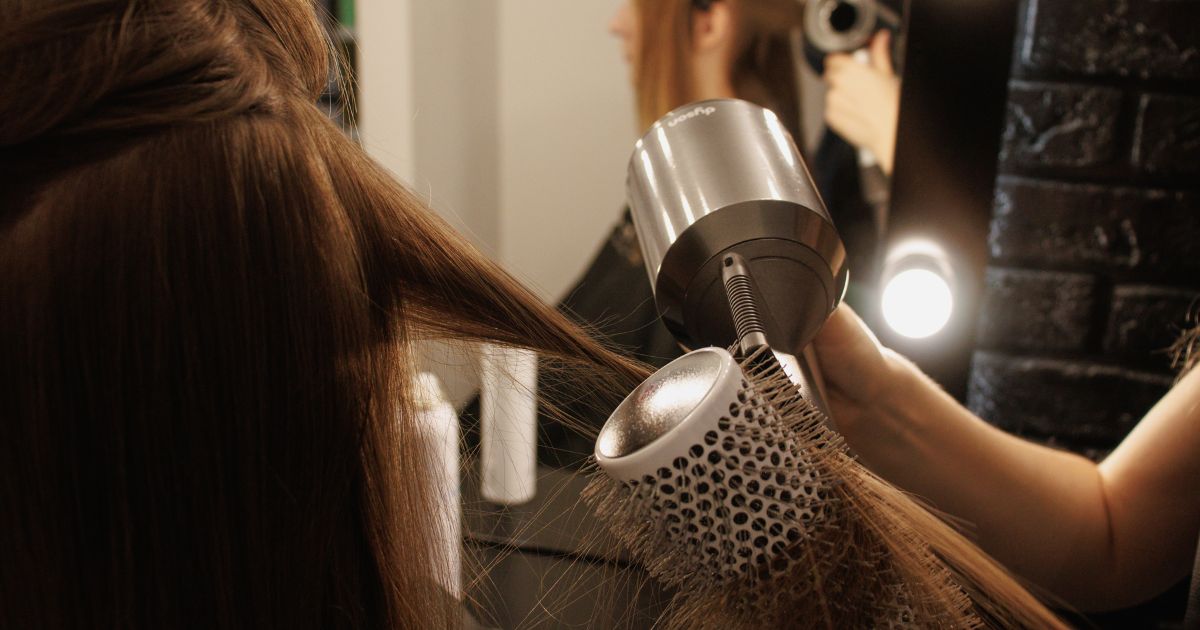
Heat styling is another place to keep the routine realistic. If you use a blow dryer, experiment with lower heat and the direction of the airflow before buying another finishing product. Sometimes the shape you want comes from how you dry the hair, with a small amount of product added afterward.
A good beard routine considers both the hair you can see and the skin underneath. Beard oil, balm, conditioner, and ordinary facial moisturizer have different textures and purposes. Choose according to how your beard and skin feel, rather than assuming the most heavily scented option is the most effective.
The AAD’s healthy beard advice emphasizes cleansing and caring for the skin beneath facial hair. If your skin feels dry, ask whether a moisturizer suitable for your skin makes more sense than repeatedly adding product to the beard hair. Apply any new product according to its directions and pay attention to irritation.
If you shave around your beard, preparation counts. The AAD recommends softening the hair, using a moisturizing shaving cream, and shaving in the direction the hair grows in its shaving guidance. A clean beard line looks great, but the skin should feel comfortable afterward, too.
The product you put in your hair may reach your forehead, temples, or pillowcase. The AAD notes that some oily hair products can contribute to breakouts along the hairline. If you notice a pattern, check where you apply the product and what touches your skin during the day.
Scent is personal. A fragrance that smells fantastic in the jar may feel overwhelming once it is in your hair all day. If fragrance seems to bother your skin, read ingredient lists and consider simpler options. The FDA’s information on fragrances in cosmetics offers useful context for making that choice. Persistent scalp itching or irritation deserves more than another product experiment; the AAD advises looking into possible causes and seeking care when symptoms continue.
This is where a service appointment becomes genuinely useful. At its Pace location, The Penton House Barbershop lists classic haircuts, fades and tapers, beard trims, hot lather shaves, lineups, and other grooming services. The chair gives you a chance to connect the finished cut with a routine you can repeat at home.
Before you leave, ask your barber to show you exactly how much product they used and where they applied it. Was your hair damp or fully dry? Did they style it with their hands, a comb, or a dryer? Which part of the shape comes from the cut, and which part needs daily effort? A quick demonstration can be more valuable than a long list of product recommendations.
Be honest about your mornings. If you will spend two minutes styling, say so. If you wear a hat at work or need your beard to look tidy between appointments, mention that as well. A useful recommendation fits the life you have.
For many people, a sensible starting lineup is simple: a shampoo suited to their hair and scalp, conditioner if their hair needs it, one styling product, and a beard or shaving product only if relevant. Use those consistently before deciding what is missing.
Then judge the routine by everyday results. Can you recreate the style without a tutorial? Does your hair feel comfortable? Does the product wash out as expected? Does the finish still look like you? Those questions tell you far more than a crowded bathroom shelf ever will.
A fresh cut is the exciting part. Finding the small, repeatable routine that keeps it looking good is the real product win.