The Beauty Appointment Edit: What’s Worth Booking Before a Big Event?
A hair salon and boutique in Leonardtown, MD can make event prep feel a lot more manageable when you know which services deserve a spot…

Choosing a Hair salon should involve more than scrolling through a few dramatic before-and-after photographs and picking the first available stylist.
As a beauty enthusiast, I love a glossy transformation as much as anyone. Yet the finished photograph reveals only one moment. It cannot show whether the consultation felt thoughtful, the service matched the client’s routine, the color remained wearable, or the haircut was easy to style after the first wash.
A genuinely helpful salon review should examine the complete experience. That includes communication, personalization, technical care, product guidance, comfort, maintenance, and value. Here is the scorecard I recommend using before deciding whether a salon deserves your trust and a return visit.
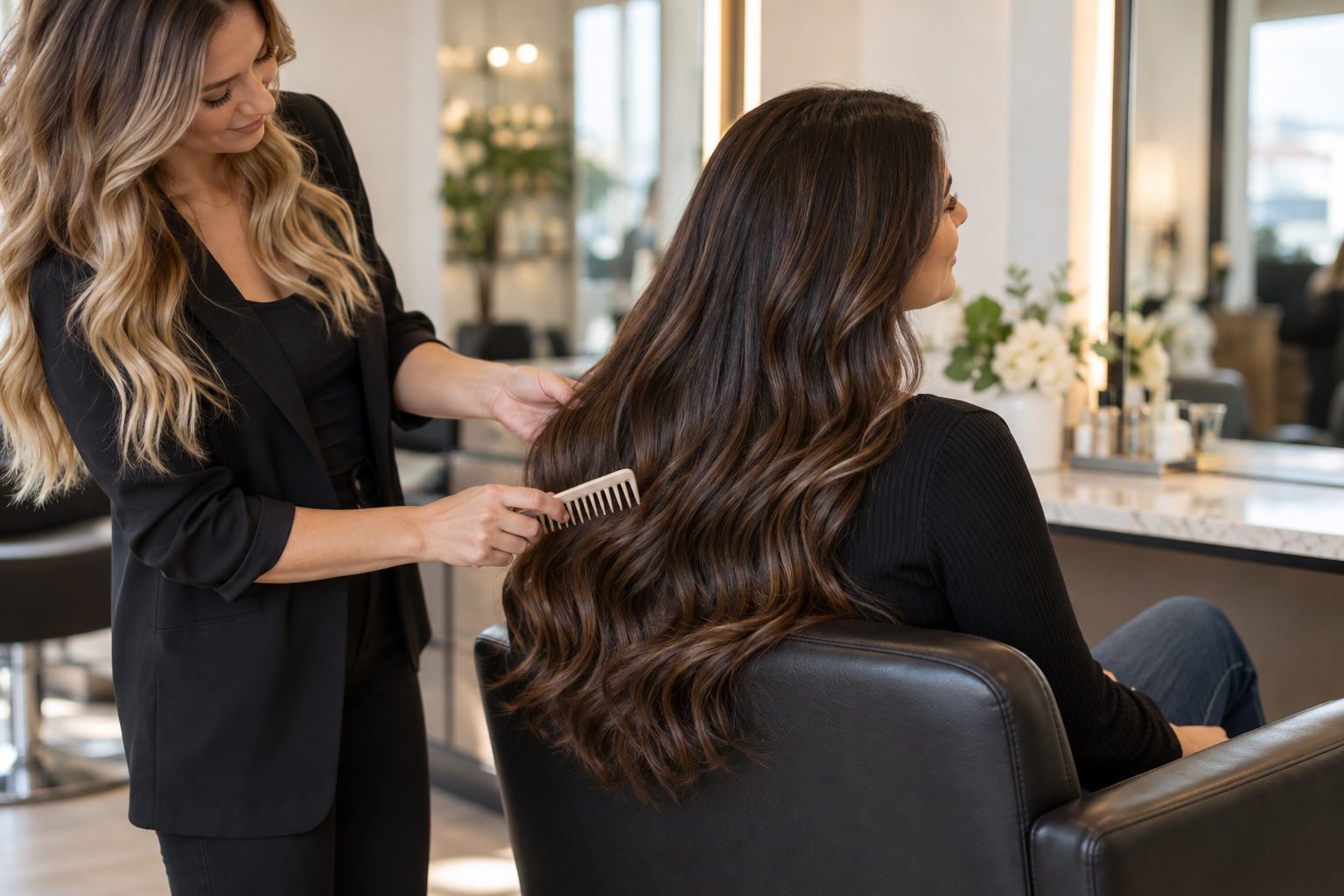
The strongest salon experiences usually begin with questions rather than immediate recommendations. A stylist needs to understand both the desired appearance and the practical life surrounding it.
A useful consultation should cover:
Inspiration photographs can help communicate a mood, but a stylist should not promise an exact copy without considering the starting point. Filters, extensions, lighting, curl styling, and natural density can all influence what appears in a photograph.
A better consultation identifies the specific features you like. Perhaps it is the brightness around the face, the soft root transition, the movement through the ends, or the polished finish. Those details can often be personalized without duplicating the entire look.
I rate a salon highly when the stylist considers what happens after the client leaves. A beautiful result loses value if it requires more time, tools, or maintenance than the client can realistically provide.
Before agreeing to a service, ask yourself how much styling you normally do. If you usually air-dry, say so. If you wear a ponytail five days a week, mention it. If you own a curling iron but rarely use it, do not build the entire plan around daily curls.
A well-designed haircut should support at least two wearable finishes:
The American Academy of Dermatology offers guidance on reducing preventable hair damage, including limiting excessive heat and handling wet hair carefully. If a style requires repeated high-temperature passes to look acceptable, it may not be the most sustainable choice.
Color is one of the easiest services to judge too quickly. Fresh highlights or a vivid new tone can look impressive on the first day, but the real test is how the color fades, grows out, and fits the client’s maintenance preferences.
Before a major change, ask:
The stylist should also know about every previous color product, including box dye, temporary color, lightener, henna, and root sprays. What appears to have faded may still influence the next chemical process.
The U.S. Food and Drug Administration provides safety information about hair dyes and advises consumers to follow product directions and remain alert for possible reactions. Previous itching, burning, swelling, sores, or breathing difficulties should be disclosed before another color service.
I become skeptical when a routine suddenly requires an entire shelf of products. A recommendation feels more trustworthy when the stylist explains what each item does, where it belongs, and how much to use.
A practical product routine may contain:
Ask for a demonstration of quantity and placement. A pea-sized amount applied to the ends behaves very differently from several pumps distributed near the roots.
Product language also deserves a little healthy skepticism. The FDA explains the rules surrounding cosmetic labeling claims. Broad terms such as “natural,” “clean,” or “professional” do not independently explain how well a formula will suit a particular scalp, texture, or styling goal.
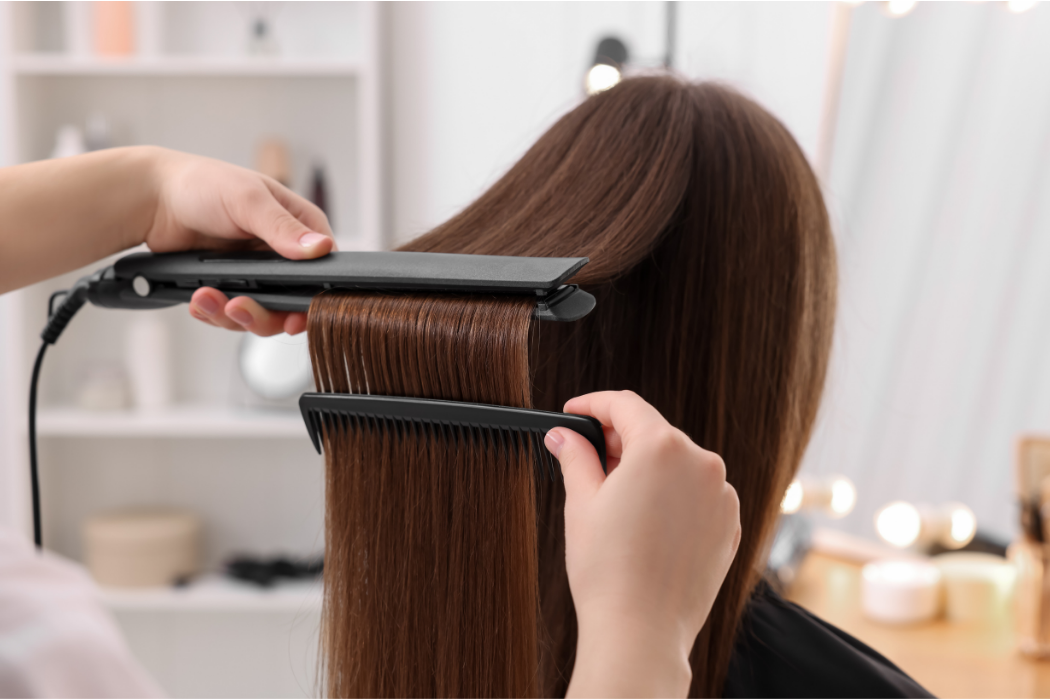
A salon should feel relaxing, but that does not mean clients should avoid detailed questions about chemical services. This is particularly important for smoothing and straightening treatments, whose names do not describe one universal formula.
Before choosing a smoothing service, request the exact product name and ask about:
The Occupational Safety and Health Administration provides information about smoothing products that may contain or release formaldehyde. Product-specific answers are more valuable than general assurances based on terms such as “keratin treatment.”
Extensions can add dramatic length, but that is only one possible use. Strategic placement can improve fullness, strengthen the perimeter of a haircut, introduce color, or make certain event styles easier to create.
The consultation should explain the attachment method, amount of added hair, placement, weight, blending, washing routine, drying requirements, adjustment schedule, removal process, and ongoing cost.
Comfort is not optional. The American Academy of Dermatology recommends precautions to reduce damage from weaves and extensions. Persistent pain, pulling, headaches, bumps, or irritation should not be dismissed as an unavoidable adjustment period.
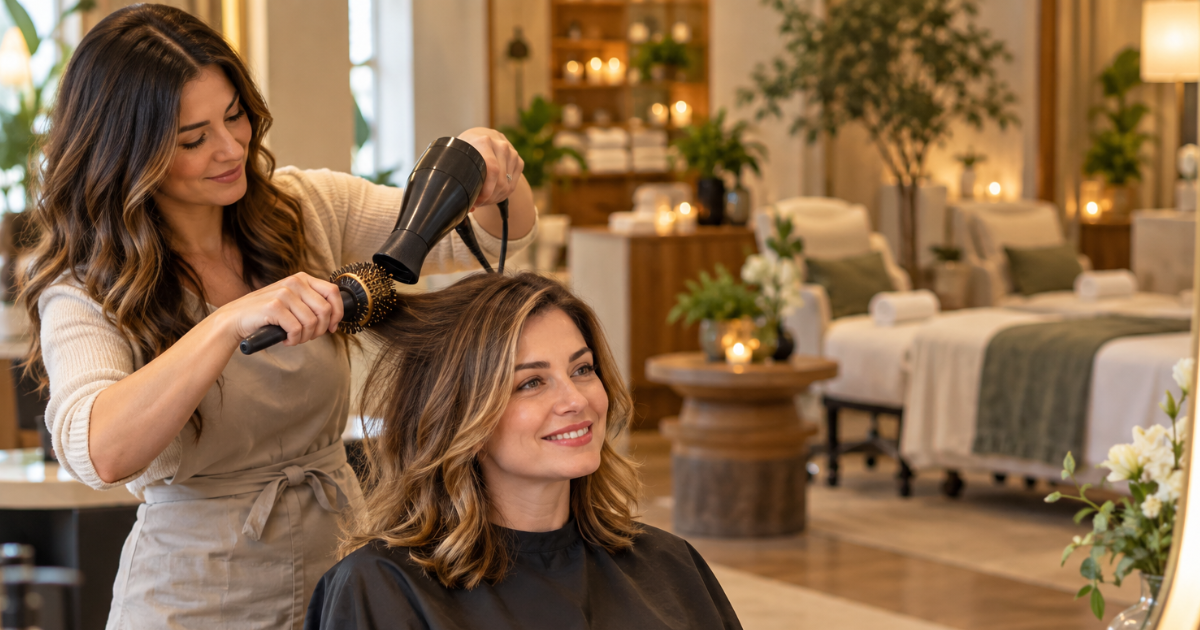
Technical ability matters, but so does the experience around the service. Notice whether the space feels organized, the tools and stations appear properly maintained, and the stylist communicates before making significant changes.
Small details can reveal a great deal:
A luxury experience is not defined only by décor or refreshments. The most meaningful luxury is feeling heard, informed, and comfortable throughout the service.
Online ratings can be useful, but the written details deserve more attention than the average score. Look for recurring comments about listening, consistency, realistic advice, color corrections, styling education, and long-term satisfaction.
Photographs are most informative when they show several textures, lengths, color families, and lighting conditions. One heavily styled result cannot represent an entire salon’s work.
It is also worth remembering that reviews should reflect genuine experiences. The Federal Trade Commission publishes guidance concerning reviews and endorsements, including practices intended to prevent deceptive testimonials.
Located at 797 Jackson Street in Locust Grove, Georgia, Hair Smithsonian publicly lists precision haircuts, dimensional color, balayage, glossing, conditioning treatments, and hair extensions among its services.
The salon describes its approach as personalized around each guest’s hair type, lifestyle, and goals. Its extension offerings include tape-in, hand-tied, and halo methods for clients considering added length or fullness. Bridal hair and makeup services are also available.
Education is a prominent part of the salon’s public identity. Its About page identifies Hair Smithsonian as a Redken Black Level Elite salon and describes ongoing in-salon classes and industry education. That emphasis is relevant because current techniques still need to be adapted thoughtfully to the individual rather than applied as identical formulas.
The salon serves Locust Grove and surrounding Henry County communities, including McDonough and Heron Bay. Consumers can verify cosmetology licensing and review professional information through the Georgia State Board of Cosmetology and Barbers.
Do not rate the entire experience while still admiring the salon finish. Give the result a week and evaluate how it performs under normal conditions.
The most reliable salon review is not based on décor, trendiness, or a single reveal photograph. It considers whether the stylist listened, explained the options, respected the hair’s condition, and created a result that remained enjoyable in real life. That is the standard that turns an attractive visit into a genuinely valuable beauty experience.