Good Hair, Better Days: A Hair Salon in Athens, GA
A welcoming hair salon in Athens, GA should offer more than a beautiful final style—it should provide a consultation, service plan, and atmosphere that make…

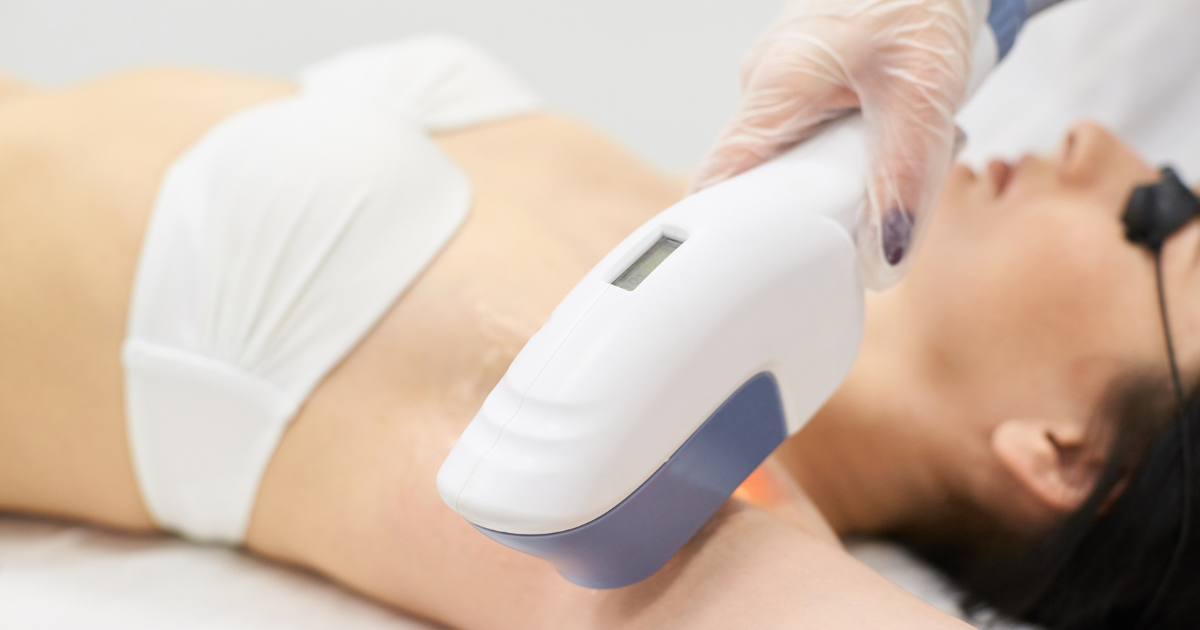
Hair removal in Belton, TX can be a surprisingly personal beauty ritual, especially when the method is selected around your skin, comfort preferences, and usual routine.
Waxing and sugaring both offer a break from frequent shaving, but they are not identical experiences. Each method handles the hair differently, and factors such as the treatment area, hair texture, skin sensitivity, and current skincare products can affect which option feels right.
If you are considering professional hair removal for the first time—or wondering whether to switch methods—this guide covers the differences, preparation essentials, aftercare, and questions worth asking before your appointment.
Waxing and sugaring both remove hair from the root rather than cutting it at the skin’s surface. That basic similarity can make the services seem interchangeable, but their products and techniques are different.
During a traditional waxing service, warm wax is applied to the treatment area and removed with the unwanted hair. Depending on the product and technique, the provider may use soft wax with a strip or a hard wax that sets before being removed.
Waxing can be used on areas ranging from the brows and chin to the underarms, legs, bikini area, and other parts of the body. Proper temperature, controlled application, skin support, and efficient removal all contribute to the experience.
The American Academy of Dermatology’s waxing guidance notes that the skin should be clean and dry before treatment and that wax should feel warm—not painfully hot.
Sugaring uses a pliable paste rather than conventional wax. The paste is generally applied against the direction of hair growth and removed in the natural direction of growth. The technique requires specialized training because the provider controls the paste by hand while working across small sections of skin.
At Shelley’s Hair Body & Skin, sugaring services are performed with Alexandria Professional products. The salon explains that its sugar paste is used at body temperature and is designed to adhere primarily to the hair during removal.
Sugaring may appeal to people who prefer the consistency and removal technique of sugar paste. Traditional waxing may feel more familiar or practical for others. One method is not automatically the winner for every person, which is why personal preference and professional guidance matter.
It is tempting to search for one universal answer to the waxing-versus-sugaring debate. In reality, the better question is: Which method is most appropriate for your skin, hair, and treatment area?
Consider the following:
A professional should be able to explain the process and help set realistic expectations. You should also feel comfortable asking questions before the service begins, especially for intimate-area treatments.
Good preparation can make hair easier to remove while reducing avoidable irritation. It starts several days before the appointment—not five minutes before leaving home.
Hair that is extremely short may be difficult for wax or sugar paste to grip. According to the AAD, hair is generally ready for waxing when it is approximately one-quarter to three-quarters of an inch long. Avoid shaving immediately before the appointment.
Facial waxing requires extra caution when retinoids are part of the routine. The AAD recommends avoiding over-the-counter retinol and prescription retinoid products for a period before facial waxing because they may increase the risk of removing skin along with the hair.
Do not stop a prescription medication without instructions from the prescribing healthcare professional. Instead, tell the hair-removal provider what you use and ask your medical professional if you are unsure whether the service is appropriate.
Mention recent chemical peels, laser procedures, sunburn, cuts, rashes, active irritation, or other changes in the treatment area. Waxing should not be performed over sunburned or highly irritated skin.
The AAD’s overview of common hair-removal methods also explains that every option has its own benefits and possible drawbacks. Sharing accurate information helps the provider decide whether to proceed, modify the service, or recommend waiting.
Unless your provider gives different directions, arrive with clean skin and avoid coating the treatment area in heavy oils or lotions. Products sitting on the surface can make it harder for the wax or sugar paste to grip the hair consistently.
A professional appointment should begin with a brief conversation about the area being treated, the desired result, and relevant sensitivities. The provider may cleanse and prepare the skin before working in controlled sections.
You will probably feel a quick pulling sensation as the hair is removed. Discomfort varies according to the person, area, hair density, and timing between appointments. A service may be uncomfortable, but continuing burning or severe pain should be communicated immediately.
Professional hair removal also involves respecting boundaries. A provider should explain positioning and give clear instructions during bikini or Brazilian services. If you need a pause or feel uncomfortable at any point, say so.
For another look at what can influence a professional appointment, Ivanna Richman’s guide to preparing for a waxing experience offers additional beauty-routine context.
Freshly waxed or sugared skin may look slightly pink or feel temporarily sensitive. This is not the moment for an aggressive body scrub, heavily fragranced product, or marathon workout.
Aftercare recommendations may vary by treatment area, but a gentle plan commonly includes:
If the treated area will be exposed outdoors, follow sensible sun-protection practices. The AAD offers guidance on selecting an appropriate sunscreen based on broad-spectrum protection, water resistance, and SPF.
Exfoliation is often recommended as part of an ongoing hair-removal routine, but scrubbing immediately after an appointment may irritate freshly treated skin. Wait until the skin has settled and follow the schedule recommended by the provider.
Once it is appropriate to resume exfoliation, keep the pressure gentle. More scrubbing does not automatically create smoother skin. In fact, over-exfoliating can contribute to redness, dryness, and sensitivity.
The AAD’s guide to safe at-home exfoliation recommends choosing a method suited to your skin type, using gentle movements, and moisturizing afterward.
An ingrown hair develops when a growing strand curves or becomes trapped beneath the skin instead of emerging normally. They may appear as small bumps and can sometimes feel itchy or tender.
Hair-removal methods that pull or cut hair can be associated with ingrown hairs, especially in areas with coarse or curly growth. The Cleveland Clinic advises against picking or popping an ingrown hair, since doing so may increase irritation, infection risk, or discoloration.
If bumps repeatedly occur, discuss the pattern with your provider. Adjustments to the technique, appointment schedule, clothing choices, or home-care routine may help. Persistent, worsening, warm, painful, or pus-filled bumps should be evaluated by a healthcare professional.
Some irritated follicles may be related to folliculitis rather than a simple ingrown hair. The Mayo Clinic describes common folliculitis symptoms and when medical attention may be appropriate.
Hair grows in cycles, so not every strand is at the same stage during one appointment. This is why the regrowth pattern may seem uneven after an initial service.
Following a consistent schedule can make appointments easier to plan. Avoid shaving between sessions if the goal is to maintain waxing or sugaring, since shaving cuts the hair at the surface and changes the pattern the provider is working with.
Your ideal interval will depend on the treatment area, personal growth pattern, and preferred level of smoothness. Rather than relying on a rigid schedule from social media, ask the provider when your hair is likely to be ready for the next appointment.
Shelley’s Hair Body & Skin offers both traditional waxing and sugaring at its Belton salon and spa. Available treatment areas include the brows, chin, face, underarms, legs, bikini area, and Brazilian services. This variety allows clients to compare methods and choose an approach based on their preferences.
The best hair-removal experience is not defined by a viral technique or a universal beauty rule. It comes from informed preparation, professional application, gentle aftercare, and a method that fits your skin. Once those essentials are in place, smoother-looking skin can become a manageable part of your routine rather than a last-minute beauty project.