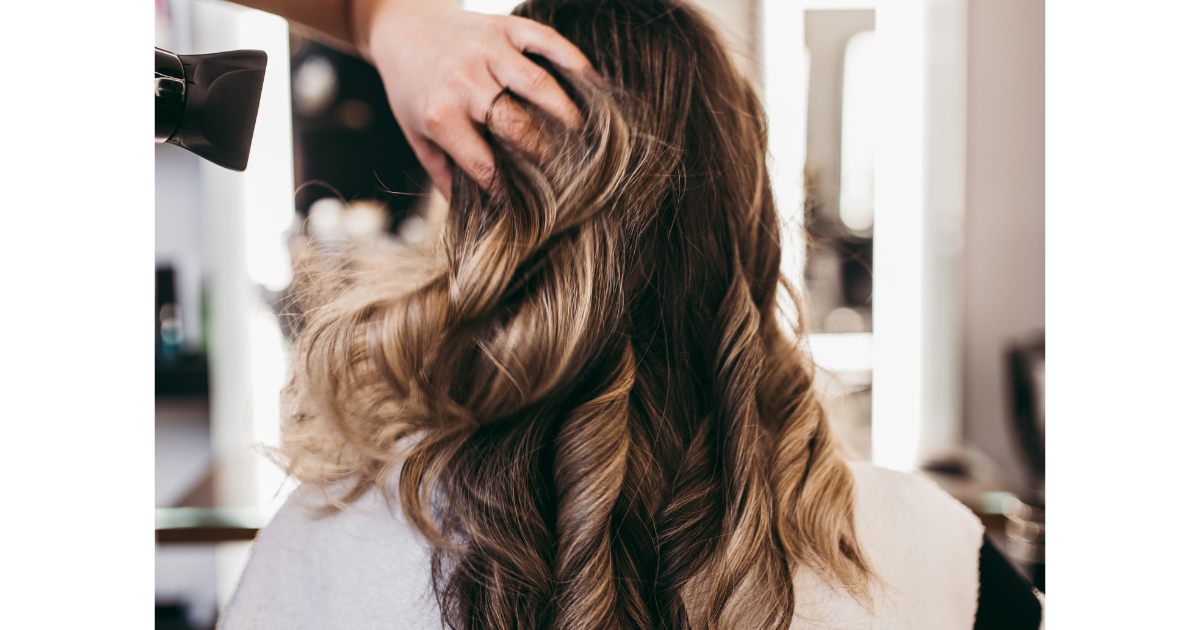
Tone Before Trend: Hair Color in Camp Hill, PA
Hair color in Camp Hill, PA looks its best when the shade, placement, maintenance plan, and condition of the hair are considered before the first…

Hair color in Camp Hill, PA looks its best when the shade, placement, maintenance plan, and condition of the hair are considered before the first formula is mixed.
I love a dramatic color reveal as much as any beauty enthusiast, but the prettiest transformations are rarely built on trend alone. They begin with thoughtful questions. Do you want a subtle refresh or a noticeable change? How frequently do you want to visit the salon? Are you trying to brighten, deepen, blend, correct, or completely reinvent your color?
Knowing the answers makes it much easier to choose between all-over color, highlights, balayage, or a more involved correction. Consider this your personal color compass—a practical guide to finding a shade that works beyond the inspiration photo.
You do not need to arrive at the salon speaking fluent colorist. Instead of trying to prescribe the exact technique, describe how you want your hair to look and feel.
Maybe you want your complexion to appear brighter. Perhaps your brunette feels flat, your blonde has lost dimension, or your current color no longer reflects your personality. You may want gray coverage, softer regrowth, additional contrast, or a low-maintenance update that still feels intentional.
These descriptions are often more useful than requesting a service based entirely on its name. A colorist can then determine which placement and formula may help produce the desired effect.
Bring two or three inspiration photos showing what you like. It can also help to bring one example of what you do not want. Point out the specific details that caught your attention, such as the brightness around the face, depth at the roots, warmth through the ends, or softness of the blend.
All-over color can create a consistent tonal change, deepen the existing shade, refresh faded color, or address visible regrowth. It is a strong option for someone who wants an intentional, cohesive result rather than strategically placed ribbons of lightness.
However, “brown,” “blonde,” “black,” and “red” are only starting categories. Each contains cool, warm, neutral, muted, bright, and dimensional possibilities. Chocolate and ash brown create different moods. Copper and burgundy do not read the same way. Even black can appear soft, blue-toned, warm, or intensely inky.
A consultation helps identify which direction complements the client’s starting point and desired maintenance. Going darker may be achievable in one appointment, while returning to a much lighter shade later can require additional planning. That is why future goals should be part of today’s color conversation.
Highlights are not simply blonde stripes placed throughout the hair. Their size, spacing, saturation, tone, and location can completely change the finished effect.
Fine highlights can create soft brightness that blends throughout the hair. Bolder sections may add stronger contrast and visible movement. Face-framing placement can draw attention toward the eyes and cheekbones, while brightness through the ends can emphasize layers and texture.
Highlights can also be customized around the natural base. Some clients want high contrast, while others prefer a result that looks gently illuminated. Neither is more correct. The best version is the one that matches the desired level of drama and the commitment to future appointments.
Color trends currently include rich brunettes, dimensional blondes, expressive roots, and polished shades with plenty of shine. Vogue’s overview of the major hair-color trends of 2026 shows just how varied modern color inspiration has become. A trend can provide creative direction, but a colorist should still translate it for the individual client.
Balayage is often chosen for its dimensional, blended appearance. Rather than creating identical lightness from roots to ends, the placement can preserve depth while introducing brightness where it has the most visual impact.
The term is frequently used as shorthand for any low-maintenance color, but not every balayage result requires the same upkeep. The contrast between the natural base and lightened pieces, the selected tone, and the amount of brightness all affect how the color changes over time.
For a softer result, a colorist may work with the existing base and concentrate lightness through selected areas. A brighter transformation may require more extensive placement, toning, and follow-up care.
Balayage is especially useful when the client wants movement without a solid color effect. It can enhance waves, layers, and textured styling because the light and dark areas create visible depth.
Some color goals require more customization than a basic highlight appointment. A signature approach may combine strategic techniques to create a particular balance of brightness, depth, and dimension.
The colorist might vary the size of sections, preserve selected lowlights, add brightness near the face, or adjust placement around the haircut. The objective is not to use as many techniques as possible. It is to use the right combination for a cohesive result.
This is where professional artistry becomes especially important. Hair color must be evaluated from every angle and in different lighting. It should complement the haircut, not disguise its shape.
For more on how technical skill and personalization are influencing salon services, Ivanna Richman’s feature on innovation and excellence in modern beauty offers a useful companion read.
Color correction may be appropriate when hair has unwanted bands, uneven lightness, excessive warmth, very dark artificial color, or multiple layers of previous formulas. It can also apply when the desired result is significantly different from the current condition.
This service usually requires a consultation because the colorist needs to understand what has been applied to the hair and how the strands are likely to respond. A strand test may sometimes be useful for evaluating possibilities.
Corrective color should be treated as a process rather than a guarantee of instant perfection. In some situations, protecting the condition of the hair means completing the transformation gradually. A responsible plan may prioritize evenness and integrity during the first appointment, then continue refining the shade later.
Be honest about home color, previous professional formulas, lighteners, smoothing services, and other chemical treatments. Even color applied months ago can affect the next result.
Lightening changes the hair differently from depositing a deeper shade. Moving several levels lighter can require stronger processing and may place greater stress on the strands.
The American Academy of Dermatology’s guidance for healthier-looking colored hair explains that lightening more than three shades from the natural color generally requires more peroxide and can cause additional damage. The organization also recommends protecting color-treated hair from excessive sun exposure.
This does not mean dramatic changes are automatically off-limits. It means the starting condition, desired destination, and safest pace should be discussed honestly. Sometimes the smartest beauty decision is choosing a slightly softer result now and working toward the final goal across future appointments.
Hair color is a cosmetic service, but allergic reactions and scalp irritation should still be taken seriously. Tell the salon about previous reactions, unusual sensitivity, scalp conditions, or known ingredient allergies before the appointment.
The U.S. Food and Drug Administration’s hair-dye safety guidance advises following product warnings, completing recommended skin testing, wearing gloves during application, and never mixing different dye products without appropriate knowledge.
If significant burning, swelling, blistering, or breathing difficulty occurs, it should not be dismissed as a normal part of the coloring process. Seek appropriate medical attention for a serious reaction.
Lighting has an enormous effect on color. A warm brunette may appear richer indoors and brighter in sunlight. Cool blonde can look silvery under one bulb and more neutral near a window. Phone settings, filters, and screen displays can change the appearance even further.
This is one reason a colorist may discuss tone using physical swatches or multiple reference images. Try to evaluate your finished result in more than one lighting environment before deciding whether the shade feels right.
Hair condition also changes how color appears. A smooth surface reflects light differently from a rough or highly porous one. The scientific review “Hair Cosmetics: An Overview” explains the structure of the hair shaft and how cosmetic processes can affect its properties. This underlying structure helps explain why identical formulas do not always produce identical-looking results on different people.
Your maintenance routine should reflect the service you received, your hair type, and how frequently you style. Ask your colorist which recommendations are essential rather than buying an unnecessarily complicated collection of products.
A manageable routine may include:
The AAD’s healthy-hair recommendations emphasize selecting products for your hair type, applying shampoo primarily to the scalp, using conditioner, and handling wet hair gently.
Heat also deserves attention. Research examining hair-shaft damage from blow-dryer temperature and distance indicates that drying technique can influence surface damage. Use controlled heat, avoid holding the dryer extremely close, and ask your stylist how to recreate the finished look efficiently.
Elements Hairology offers hair color, highlights, combined color and highlight services, signature highlights, balayage, and color correction at its Camp Hill salon. The team also provides a virtual consultation option for new clients who want help identifying the appropriate service before booking.
The most flattering color is not necessarily the shade appearing most often on your social feed. It is the one planned around your starting point, complexion, haircut, routine, and willingness to maintain it.
Choose the mood first, bring useful inspiration, share your complete color history, and stay open to professional guidance. When tone comes before trend, the final result has a much better chance of feeling current, wearable, and unmistakably yours.