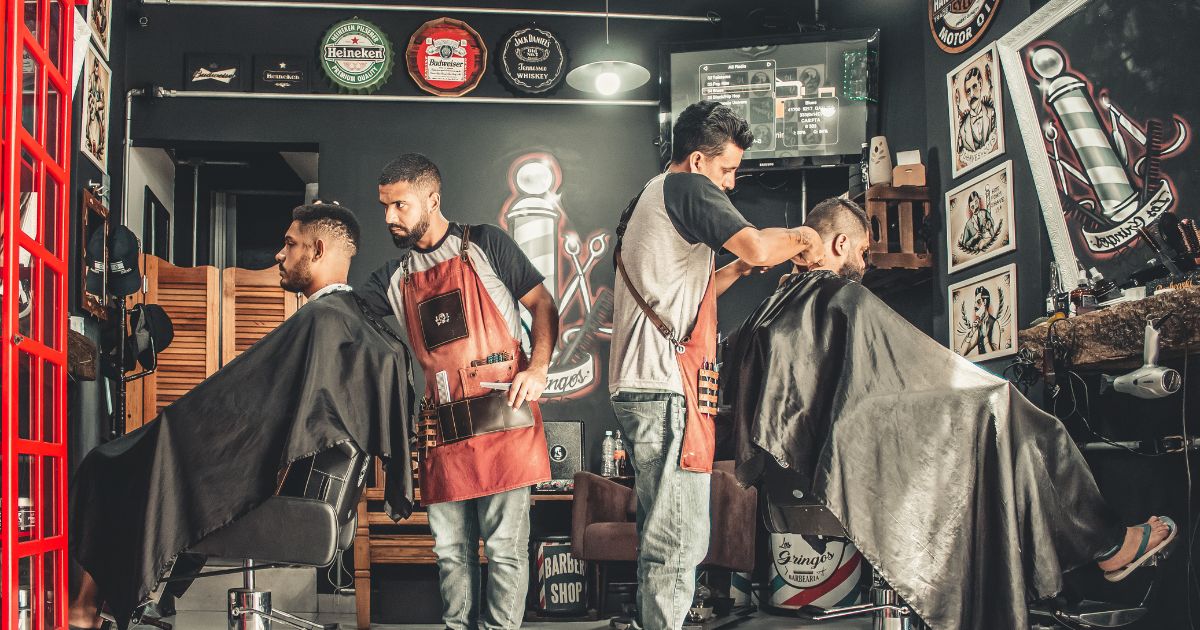
Barber Shop in Pace, FL: What Actually Belongs on Your Shelf?
A barber shop in Pace, FL can help you answer a surprisingly useful question: which products will make your new cut easy to style tomorrow…

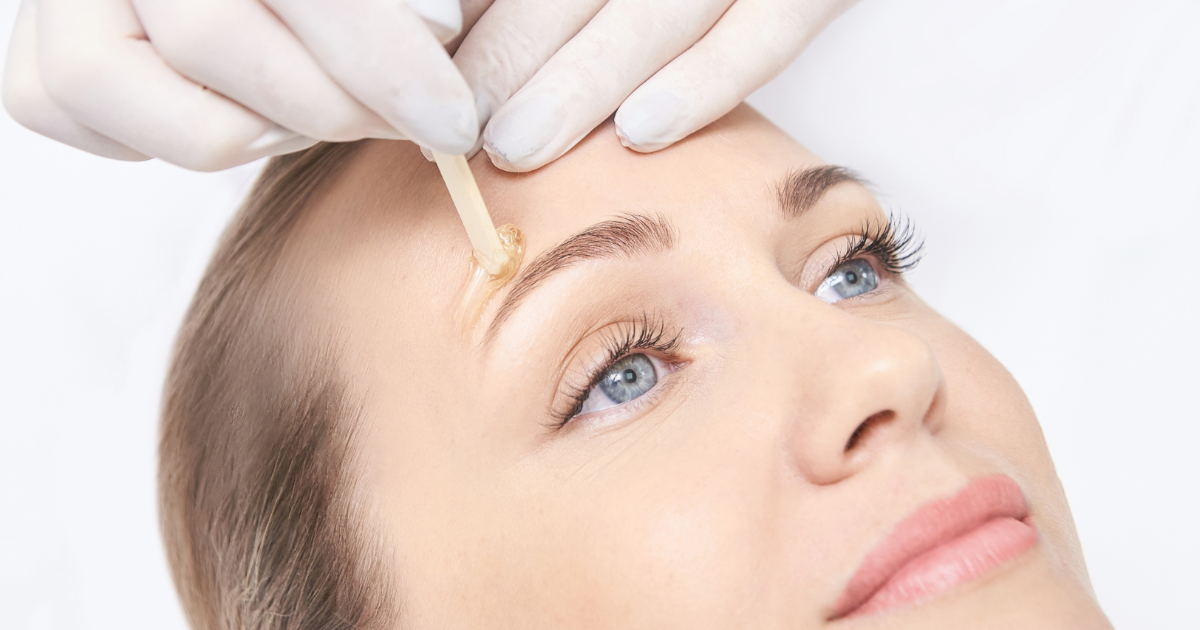
Professional facial waxing in Camp Hill, PA offers a quick way to shape the eyebrows and remove unwanted hair from areas such as the upper lip and chin without adding a complicated step to your beauty routine.
Facial waxing looks wonderfully simple: apply wax, remove hair, and enjoy smoother skin. In reality, the quality of the result depends on thoughtful preparation, clean technique, appropriate temperature, and aftercare that respects the skin.
If you have ever wondered whether to wax before a haircut, how long to wait before an event, or why certain skincare products matter, this guide covers the practical details.
Wax adheres to hair so several strands can be removed from the root at once. Unlike shaving, which cuts hair at the skin’s surface, waxing removes the complete visible strand and part beneath the surface.
The skin may feel smoother for longer than it would after shaving, although regrowth timing varies. Hair-growth cycles, hormones, genetics, medications, and previous removal habits all influence how quickly an area appears ready for another appointment.
The most common salon facial-waxing areas include:
These small services can be booked independently or coordinated with a haircut, color appointment, or other salon visit when available.
A good brow wax should preserve the natural structure of the eyebrows while creating a cleaner outline. Removing too much hair can change facial balance and may take considerable time to grow back.
Before the waxing begins, explain whether you want:
Bring a reference photograph if you have a specific shape in mind, but remember that eyebrow density, growth direction, bone structure, and natural symmetry differ from person to person.
Brows are sisters rather than identical twins, as the beauty saying goes. The goal is balanced shaping—not forcing two naturally different brows into an unrealistic copy-and-paste design.
The skin around the mouth can be sensitive, and the hair may grow in several directions. Working in small sections helps the provider remove hair accurately without repeatedly waxing the same area.
Chin hair can range from fine, nearly invisible strands to coarser individual hairs. Hormonal changes may affect the amount, texture, and growth rate.
Facial hair is common, but a sudden or significant change can occasionally be associated with an underlying health issue. The Mayo Clinic’s overview of hirsutism explains that unusually coarse or excessive facial and body hair may be influenced by androgen levels, medications, or certain medical conditions.
A waxing professional can remove unwanted hair, but diagnosis belongs with a qualified healthcare provider. Seek medical advice if new facial hair appears alongside irregular periods, voice changes, rapid hair growth, or other unexpected symptoms.
Wax needs enough length to grip the hair effectively. If you shave, trim too closely, or tweeze immediately before the appointment, shorter hairs may remain behind.
There is no perfect growth period for everyone because facial hair develops at different rates. If you are uncertain, ask the salon when scheduling rather than trying to estimate at home.
Between appointments, avoid tweezing every emerging hair if your goal is a more consistent waxing schedule. Allowing more strands to enter a similar growth pattern can make future services feel more complete.
This may be the most important preparation step. Retinoids, exfoliating acids, acne treatments, peels, and certain prescription medications can make the skin more vulnerable to irritation or surface lifting.
Tell your provider about products and treatments used near the waxing area, including:
Do not stop a prescription medication solely to receive a cosmetic service. Ask the prescribing clinician and waxing provider for appropriate guidance.
The American Academy of Dermatology’s waxing guidance advises against waxing skin that is sunburned or very sensitive and notes that certain medications can make the skin more fragile.
On the day of your appointment, avoid applying heavy oils, thick creams, or layers of makeup over the area. Clean skin allows the provider to see the hair and skin clearly.
If your skin is already inflamed, peeling, injured, or sunburned, rescheduling may be the safest option. Wax should not be applied over open wounds, active infections, or severely irritated skin.
Disclose previous reactions to wax, adhesives, fragrances, preservatives, or skincare products. The U.S. Food and Drug Administration explains that cosmetic ingredients may cause allergic reactions in some individuals, even when a product has been used safely by many other people.
“Natural” does not automatically mean allergy-free. Honest communication gives the provider the information needed to make an appropriate decision.
Facial waxing creates a brief pulling or stinging sensation as the wax is removed. The feeling should pass quickly, although temporary redness or sensitivity may remain.
People experience discomfort differently. Hair coarseness, skin sensitivity, the treatment area, and previous waxing history can all affect how the service feels.
Contact the salon if you notice symptoms beyond the expected mild reaction, such as:
Severe symptoms or breathing difficulty require prompt medical attention.
Freshly waxed skin does not need an elaborate treatment routine. In fact, applying several active products immediately afterward may increase irritation.
For the rest of the day, avoid touching the area unnecessarily. Follow your provider’s instructions regarding makeup, exfoliation, exercise, heat, and skincare products.
General aftercare may include:
The American Academy of Dermatology recommends selecting gentle, fragrance-free products when skin is sensitive or easily irritated.
Waxing removes hair and may also remove some surface skin cells, leaving the area temporarily more sensitive. Spending hours outside immediately afterward can increase discomfort.
The U.S. Environmental Protection Agency’s UV Index can help you understand the day’s ultraviolet exposure. Use shade, protective clothing, and a suitable broad-spectrum sunscreen as part of your normal sun-safety routine.
If you are preparing for an outdoor wedding, festival, vacation, or photoshoot, schedule the appointment early enough for ordinary redness to settle.
A first facial wax should not be scheduled immediately before a major event. Your skin needs time to show how it responds, and you may want to make small changes to the brow shape.
If you already wax regularly and know your skin’s reaction, you can work with your provider to determine an appropriate timeline. Still, leaving a little breathing room is safer than booking only a few hours before photographs.
Plan further ahead when your beauty schedule also includes:
Not every service belongs on the same day. Ask the professionals involved how appointments should be spaced.
Small bumps can sometimes appear after waxing because the hair follicles and surrounding skin have been disturbed. Touching the area, applying heavy products, sweating, or using unclean makeup tools may contribute to irritation.
Ingrown hairs occur when a strand grows back into the skin rather than outward. The Cleveland Clinic explains that ingrown hairs may cause raised bumps, irritation, itching, or discomfort.
Do not aggressively dig at a bump with tweezers or a needle. This can injure the skin and increase the risk of infection or discoloration. Ask your provider when gentle exfoliation can be resumed, and consult a healthcare professional for painful, persistent, or infected areas.
Every facial-hair-removal method has advantages. Waxing removes several hairs quickly and can create a clean brow outline. Tweezing offers precision for occasional stray hairs but can be slow for larger areas.
Threading removes hair with twisted thread and may appeal to people who prefer an alternative to wax. Shaving cuts hair at the surface and can be convenient, although the smooth result may not last as long.
The American Academy of Dermatology’s hair-removal overview explains that different techniques vary in longevity, cost, and the possibility of irritation.
The best option depends on your skin, hair, preferences, and maintenance routine. You are not required to stay loyal to one technique forever.
Elements Hairology provides professional hair and facial-waxing services at 3740 Market Street in Camp Hill, Pennsylvania.
The salon’s confirmed waxing menu focuses on eyebrow, upper-lip, and chin waxing. These targeted services allow clients to clean up the brow shape or remove unwanted facial hair within the salon’s welcoming environment.
Elements Hairology also offers haircuts, styling, blowouts, specialty styles, customized color, highlights, balayage, hair extensions, and keratin services. New guests can begin with a virtual consultation, while the salon’s stylist-matching option helps clients connect with a professional whose skills and approach fit their preferences.
Facial waxing may take less time than a haircut or color transformation, but thoughtful technique still matters. Clear communication, proper preparation, gentle aftercare, and realistic expectations create a much better experience.
Tell your provider about active skincare products, previous reactions, and the brow shape you prefer. Give your skin time to recover before important events, and resist the urge to apply every soothing or exfoliating product in your bathroom immediately afterward.
When performed appropriately, a brow, lip, or chin wax can be a simple finishing touch that helps your entire look feel cleaner, fresher, and more put together.