Barber Shop in Pace, FL: What Actually Belongs on Your Shelf?
A barber shop in Pace, FL can help you answer a surprisingly useful question: which products will make your new cut easy to style tomorrow…

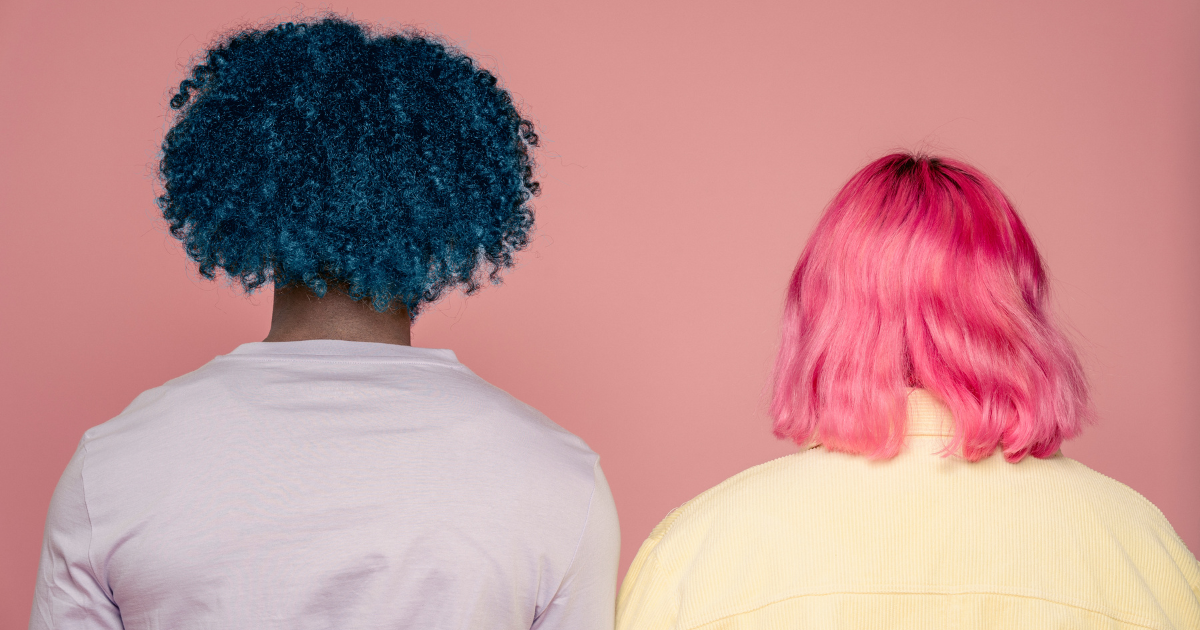
Hair coloring in Columbus, GA can deliver anything from subtle gray coverage to dimensional blonde, rich brunette, or a complete color transformation when the service is planned around your hair and lifestyle.
Choosing a new hair color is exciting, but the prettiest inspiration photo is only the beginning. Your natural color, previous chemical services, hair condition, skin tone, daily routine, and maintenance budget all influence which result will work best.
As someone who loves a dramatic before-and-after, I also appreciate color that still looks intentional several weeks later. The best salon color is not necessarily the trendiest shade on social media. It is the one that suits you, grows out gracefully, and fits the amount of maintenance you genuinely want to do.
Before deciding between balayage, foils, or all-over color, ask yourself how frequently you are comfortable returning to the salon. This single question can narrow the options considerably.
A shade that differs significantly from your natural hair may create a visible regrowth line. Light blonde against a dark natural base usually requires more maintenance than dimension placed away from the scalp. Fashion colors can also need refreshing because vivid pigments may fade more noticeably.
If you prefer a lower-maintenance routine, consider:
Low maintenance does not mean no maintenance. Even softly blended color may need toning, conditioning, trims, and professional adjustments over time.
All-over color can deepen the hair, adjust its tone, cover gray, or create a more uniform appearance. It is a practical option when the goal involves the entire head rather than selected pieces.
This service can produce glossy brunette, warm copper, dimensional red, or another customized shade. However, going dramatically lighter is usually more complicated than applying a lighter color over dark hair. Artificial pigment may need to be removed carefully before the intended result is possible.
Bring photographs that show your preferred color in several lighting conditions. A brunette that looks cool indoors may appear warmer in sunlight, while blonde can shift from creamy to golden depending on the camera and environment.
A full foil service places lightened or colored sections throughout a larger portion of the hair. It may be used to create an overall blonder effect, introduce highlights through the back and underneath, or build multidimensional color.
Full foils are useful when you want:
The exact result depends on section size, spacing, placement, lightener, processing, and toner. Fine, closely placed highlights can create a blended finish, while bolder sections produce stronger contrast.
More foils do not automatically equal a better result. The placement should support your haircut, parting, density, and desired maintenance schedule.
A partial foil usually concentrates dimension around the visible areas of the hairstyle, such as the top, hairline, or crown. It can brighten the complexion and refresh existing highlights without repeating a full application every time.
This option may be ideal when the underneath sections already have enough dimension or when you mainly want brightness near the face. It can also provide a gentler introduction to highlights for someone trying professional color for the first time.
For an even smaller update, strategically placed foils can revive a money piece, soften regrowth, or add sparkle around the part. Euphoria Salon’s confirmed menu includes an option for ten foils or fewer, making focused placement available when a full or partial service is unnecessary.
Balayage is associated with blended, lived-in dimension. Instead of producing a uniform pattern from the scalp, the stylist creates brightness with placement designed to transition more softly as the hair grows.
The technique can work beautifully for sun-kissed brunettes, dimensional blondes, warm caramel ribbons, and bright face-framing pieces. It is often described as low maintenance, but the final schedule depends on how light you go and how quickly the tone changes.
Balayage and ombré are not identical. Balayage describes an application approach, while ombré generally refers to a visible progression from darker roots to lighter ends. A stylist may combine techniques to produce the requested finish.
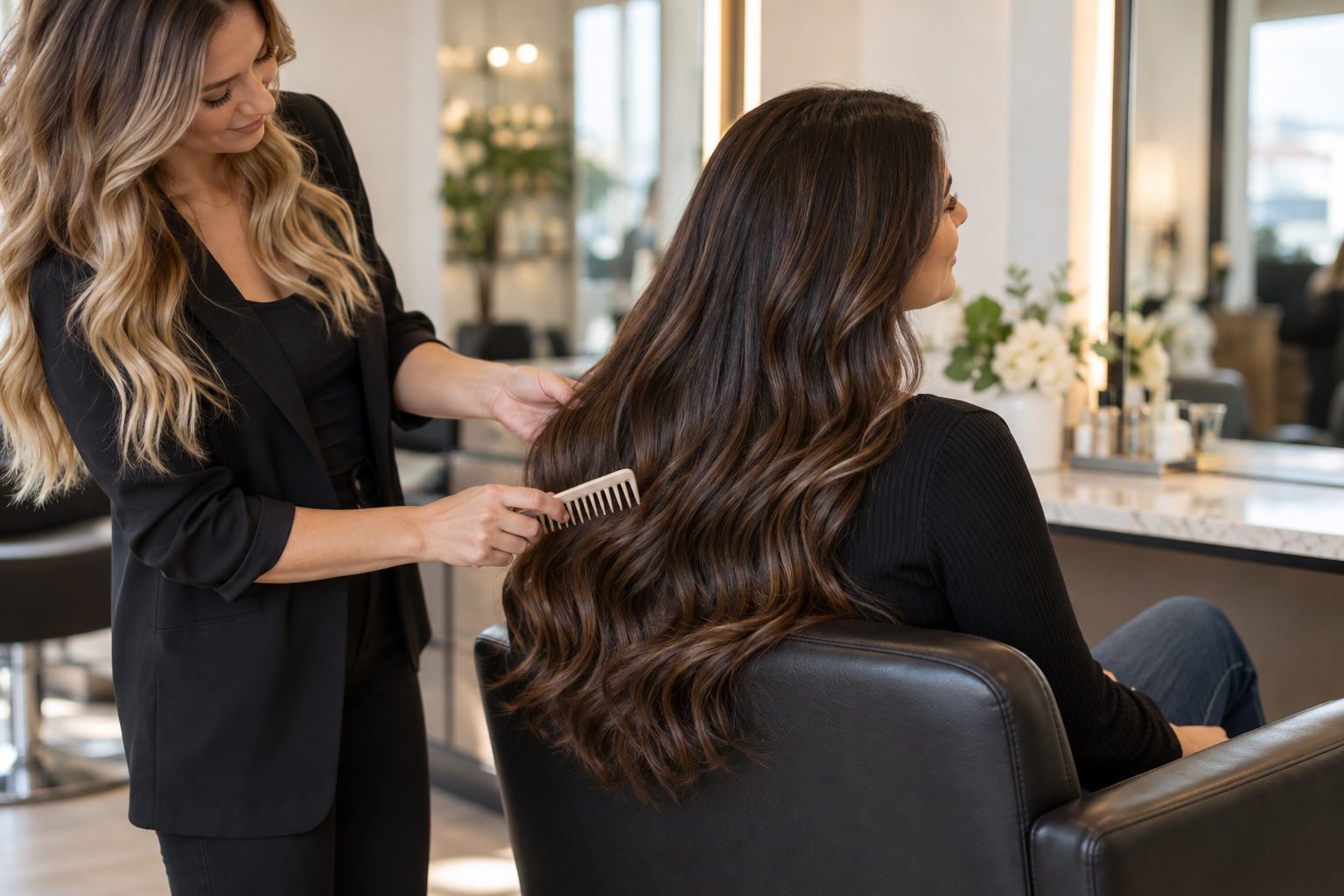
One of my favorite things about customized balayage is that it can be adjusted to the haircut. Brightness can highlight layers, frame the face, or make natural movement more noticeable instead of following the same placement on every client.
Lightening determines how bright the hair becomes, but tone creates much of its personality. An overlay or toner can shift blonde toward beige, champagne, pearl, honey, or another direction. It may also refine brunette or red color and improve the overall sense of shine.
Toners are not permanent shields against warmth. Shampooing, sunlight, mineral exposure, hot tools, and the condition of the hair can influence how quickly a tone fades.
Rather than repeatedly lightening hair that is already bright enough, a stylist may suggest an overlay to refresh the existing result. This can be a smart way to maintain color between larger appointments.
Corrective color may be necessary after uneven at-home dye, excessive warmth, bands of previous color, overly dark pigment, or an unwanted fashion shade. These appointments often require more time and planning than routine color.
In some cases, the ideal inspiration photo cannot be achieved safely in one visit. The stylist may recommend a series of appointments so pigment can be adjusted gradually while monitoring the condition of the hair.
If you need correction, tell the stylist everything that has been applied—even products described as temporary, natural, color-depositing, or wash-out. Box dye, henna, lightening sprays, pigmented masks, and previous salon formulas can affect the plan.
A strand test allows the stylist to observe how a small section responds before committing to a major transformation. It may reveal how quickly the hair lightens, which undertones appear, and whether the strand remains strong enough for the proposed service.
The test does not predict every detail perfectly, but it provides useful information when the hair has a complicated history or the desired result requires substantial lightening.
Hair and scalp reactions also deserve attention. The U.S. Food and Drug Administration advises consumers to follow hair-dye instructions and perform instructed skin testing before each use. Tell your stylist about previous itching, swelling, blistering, breathing difficulty, or other reactions.
The FDA’s information about allergens in cosmetics also explains that cosmetic ingredients can trigger reactions in some people. Do not assume a product is suitable merely because it has been used without trouble in the past.
Lightening can make hair more porous, dry, and vulnerable to breakage. That does not mean you must avoid blonde or dimensional color. It means the stylist should balance the desired brightness with the current condition of the hair.
The American Academy of Dermatology notes that lightening more than three shades generally requires stronger peroxide and can cause more damage. Previously lightened ends may therefore need a different approach from untreated roots.
Signs that your hair may need a more conservative plan include:
A conditioning treatment, haircut, deeper shade, or gradual lightening plan may be more flattering than pushing fragile hair toward maximum brightness in one day.
A complicated shelf of products is not required, but your routine should support the service. Use the cleanser, conditioner, and styling products recommended for your specific hair instead of choosing solely by fragrance or packaging.
The AAD’s damage-prevention guidance recommends gentle handling and using the lowest heat setting that achieves the desired result. Those habits are particularly valuable after lightening.
To help maintain professional color:
Do not rely on purple shampoo as a universal blonde solution. Overuse can leave some hair feeling dry or looking dull, and it will not correct every form of unwanted warmth.
These questions turn an inspiration image into a practical plan. They also help prevent a situation in which you love the first-day result but dislike the maintenance it requires.
Euphoria Salon is located at 6440 W. Hamilton Park Drive, Suite I, in Columbus, Georgia. Its confirmed coloring menu includes all-over color, add-on color and overlays, full foils, partial foils, limited foil placement, balayage or ombré, and brow tinting.
The salon highlights creative color, personalized balayage, foil highlights, lived-in blondes, rich brunettes, and fashion-forward work. Its team focuses on consultation and continued education so each service can be adapted to the guest rather than copied directly from a trend photo.
A beautiful hair-color result should complement your features, support the haircut, and remain manageable between appointments. Sometimes that means a full blonde transformation. Other times, a partial foil, dimensional brunette, subtle balayage, or toner refresh is the smarter choice.
Choose your color based on the complete picture: current hair condition, previous services, desired tone, styling habits, and realistic maintenance. When those details guide the appointment, your new shade has a much better chance of looking beautiful on day one—and still feeling like the right decision weeks later.