Barber Shop in Pace, FL: What Actually Belongs on Your Shelf?
A barber shop in Pace, FL can help you answer a surprisingly useful question: which products will make your new cut easy to style tomorrow…

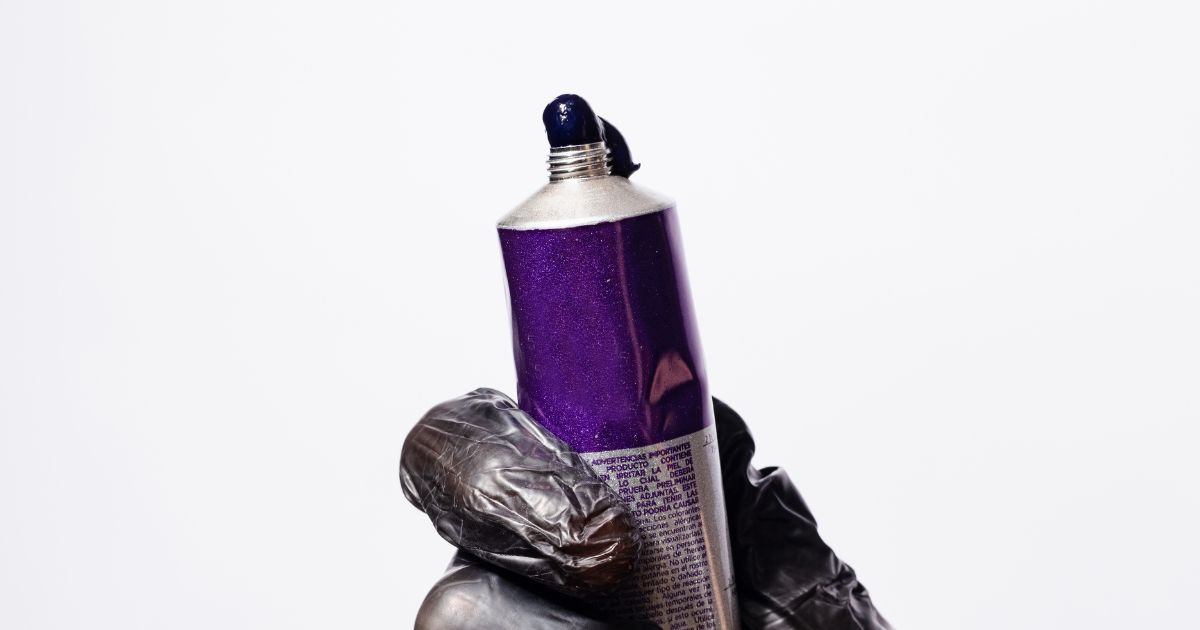
Hair coloring in New Port Richey FL can be as subtle as a glossy root refresh or as transformative as dimensional balayage, but the most flattering result begins with choosing a service that works with your hair’s condition, natural color, and everyday style.
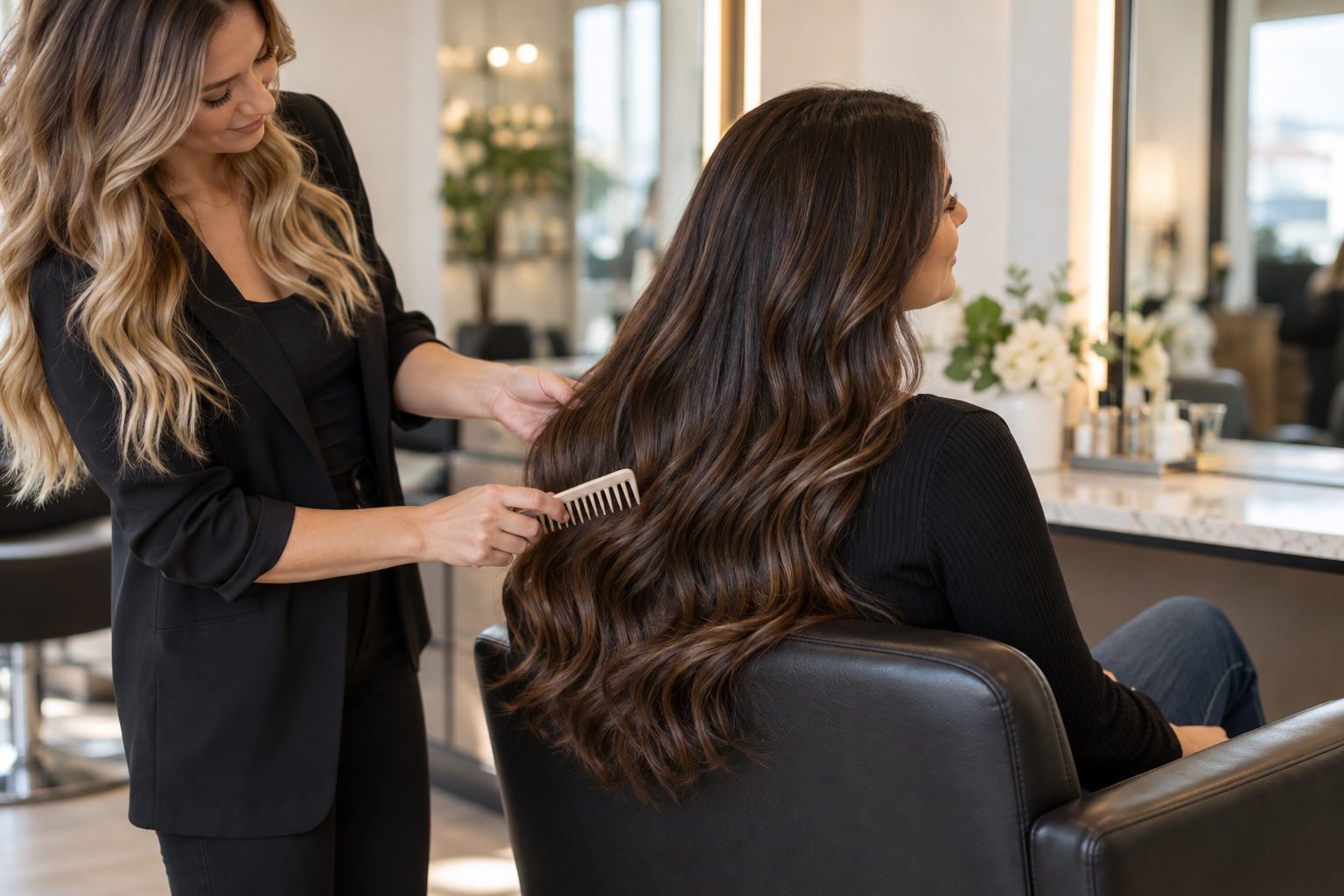
I love saving gorgeous color inspiration, but a photograph is only the starting point. The same shade can look completely different depending on a person’s complexion, natural undertone, haircut, texture, and lighting. A skilled stylist does more than reproduce a picture; they translate the inspiration into a color that feels personal and wearable.
Whether you want softer gray coverage, brighter pieces around the face, sun-kissed ribbons, or a bold ombré effect, understanding the main coloring techniques will help you walk into your consultation with realistic expectations.
Color consultations may not be the most glamorous part of the appointment, but they often determine whether the finished look feels effortless or disappointing. Your stylist needs to understand both your beauty goals and the history of your hair.
Be prepared to discuss:
Always be honest about previous color, even when it was applied months ago. Artificial pigment can remain inside the hair and influence how it responds to lightener or another formula. A stylist may recommend a strand test before a major transformation to see how the hair lifts and whether it can comfortably tolerate the planned service.
A color menu can contain several services that sound similar. Each one is designed for a different goal, so selecting the correct appointment is essential.
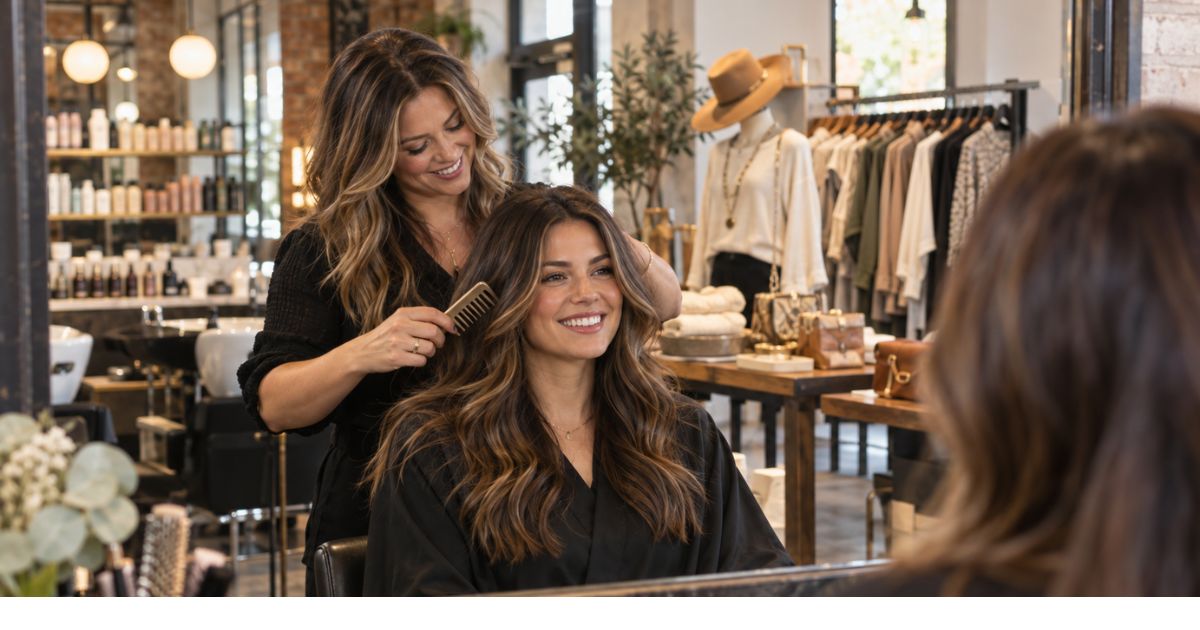
Balayage is a customized highlighting technique in which lightener is painted onto selected areas of the hair. The placement is usually designed to create brightness through the lengths and ends while maintaining a softer transition near the roots.
This technique is popular because it can produce natural-looking dimension and a more blended grow-out than traditional highlights. However, balayage does not automatically mean blonde. It can be customized for brunettes, redheads, darker blondes, and creative color combinations.
Balayage may suit someone who wants:
Ombré creates a noticeable transition from a deeper shade near the roots to a lighter or brighter color through the ends. Compared with balayage, the change may appear more deliberate and concentrated across the lower portion of the hair.
The contrast can be soft and natural or bold and dramatic. A seamless result requires careful blending through the transition area so the finished color does not look like two unrelated shades placed on top of each other.
Clients with previously colored ends may need multiple appointments to achieve a lighter ombré safely. Hair condition should take priority over reaching the lightest possible result in one visit.
Foil highlighting separates selected sections of hair and processes them within foils. The stylist can control placement, size, saturation, and spacing to create anything from delicate ribbons to brighter, more noticeable dimension.
Highlights are useful when a client wants consistent brightness from the root area through the ends. They can be customized as warm, neutral, cool, bold, or softly blended depending on the desired look.
A money piece concentrates brightness around the front hairline. It can softly illuminate the face or create a bolder contrast against the rest of the hair. The effect depends on the width, placement, tone, and starting color.
This is one of my favorite ways to refresh an existing color without changing every section. It can add instant impact when the rest of the balayage or highlights still looks good.
A smaller foil service can add brightness exactly where it will be most visible, such as around the face or along the part. It may work well between larger highlighting appointments or for someone exploring lighter color without committing to a full transformation.
T-zone color focuses on highly visible regrowth around the part and front hairline. It can extend the polished appearance of an existing color when the rest of the hair does not yet require a complete retouch.
A color retouch applies color to new growth rather than repeatedly covering the entire length. It is commonly used to maintain gray coverage or a consistent permanent shade.
Applying permanent color over previously colored lengths at every appointment may create unnecessary buildup or dryness. A stylist can determine whether the ends need refreshed with a gentler formula, conditioning gloss, or toner instead.
Toner refines the shade of pre-lightened or highlighted hair. It can soften excessive warmth, add beige or golden dimension, create a cooler finish, or refresh color that has changed between appointments.
Toner does not usually make dark natural hair significantly lighter by itself. It works with the existing lightness in the hair, which is why two clients using a similar toner may receive different results.
Sandy’s Hair Studio & Spa offers customized hair color services at its New Port Richey salon. Its verified color menu includes balayage, ombré color, color retouches, money pieces, targeted foils, highlighting, toning, and T-zone services.
The salon has served New Port Richey and surrounding Pasco County communities since 2007. Its approach emphasizes personal consultations, customized color, continued stylist education, and helping clients understand how to maintain their finished look at home.
Service time and product needs may vary according to the length, density, condition, and color history of the hair. A major blonding or corrective appointment will naturally require a different plan than a root retouch or toner refresh.
Hair color can create beautiful results, but chemical processing also changes the hair shaft. Lightening is especially demanding because it must remove natural or artificial pigment before the desired tone can be created.
A microscopy study available through the National Library of Medicine illustrates how repeated cosmetic processing can affect the surface of the hair shaft. This is why a responsible color plan considers current condition instead of focusing only on the target shade.
The American Academy of Dermatology explains that dramatically lightening hair generally requires stronger processing and may increase the potential for damage. Sometimes the healthiest route to a major transformation is a series of appointments rather than one marathon session.
A stylist may adjust the plan if the hair shows:
Even clients who have colored their hair for years can develop sensitivity to an ingredient. The U.S. Food and Drug Administration recommends following product warnings, performing the required allergy test, wearing gloves during application, and never mixing unrelated dye products.
The Cleveland Clinic’s hair dye safety guide notes that redness, itching, scaling, swelling, or blisters may indicate a reaction. Tell your stylist about previous sensitivities before color is applied. Seek medical care if a reaction is severe or persistent.
Follow your stylist’s instructions regarding the first wash. The recommended timing can vary according to the color service and finishing products used.
A professional color deserves a compatible home-care routine. Use the shampoo, conditioner, mask, and styling products recommended for your texture and color needs.
The AAD’s healthy hair recommendations include concentrating shampoo on the scalp, using conditioner after washing, detangling gently, and limiting excessive heat.
Very hot water can contribute to dryness and may make color appear faded sooner. Use comfortably warm water while cleansing and consider a cooler final rinse if it feels pleasant.
Use a heat protectant and the lowest effective temperature on blow-dryers, curling irons, and flat irons. Repeated high heat can make color-treated hair feel dry and reduce shine.
Sun exposure can affect both the appearance and condition of color-treated hair. The Cleveland Clinic explains that ultraviolet exposure can contribute to dryness, brittleness, and fading. Hats, scarves, and suitable protective products can help during long days outdoors.
Before swimming, wet the hair with clean water and apply a stylist-approved protective product. Rinse promptly after leaving the pool or ocean, then cleanse and condition according to your normal routine.
Consumers can also verify professional licenses through the Florida Department of Business and Professional Regulation.
A successful color appointment is not simply about becoming lighter, darker, warmer, or cooler. It is about creating a shade that complements your features, works with your hair’s condition, and fits the amount of maintenance you genuinely want.
Balayage can create soft dimension, ombré can deliver a bolder transition, and strategic foils or a money piece can refresh your look with less commitment. Root retouches and toners keep established color feeling polished between larger transformations.
Bring inspiration to your consultation, ask questions, and remain open to professional recommendations. The most beautiful result is the one that protects the integrity of your hair while giving you a color you are excited to wear every day.