Barber Shop in Pace, FL: What Actually Belongs on Your Shelf?
A barber shop in Pace, FL can help you answer a surprisingly useful question: which products will make your new cut easy to style tomorrow…


A great Hair Salon should offer more than a pretty final photo, so I judge services by how well the result fits daily life, protects the hair, and grows out over time.
Social media makes it easy to fall in love with a dramatic transformation. Perfect lighting, glossy curls, and a carefully chosen camera angle can make almost any color or extension service look irresistible. What those photographs rarely reveal is how long the service took, what condition the hair was in beforehand, or how much maintenance the look will require.
Before choosing a salon or trying a major service, I use a practical beauty-review checklist. It helps separate a genuinely thoughtful experience from one that simply photographs well on the first day.
A consultation is one of the clearest signs that a salon takes customization seriously. Hair density, texture, previous color, daily styling habits, and chemical history can completely change how a service should be performed.
I become cautious when a dramatic color or extension transformation is recommended without questions about previous treatments. Old permanent color, home lightener, henna, relaxers, and smoothing products may affect the plan even when they are no longer obvious.
A useful consultation should address:
I also appreciate when a stylist explains why a particular idea may need to be adjusted. Honest guidance is more valuable than an automatic yes, especially when the requested result could cause excessive damage.
Almost every haircut looks polished after a professional blowout. My real question is how it will behave after the client washes it at home.
A strong haircut works with the hair’s density, texture, growth patterns, and natural movement. Layers should have a clear purpose. They might remove weight, create volume, frame the face, or encourage curls, but adding layers simply because they are trending can make a style harder to manage.
The same principle applies to bangs. They can completely refresh a look, but they may require heat styling, frequent trims, and extra attention on humid days. A good stylist should discuss that reality before making the first cut.
The American Academy of Dermatology recommends choosing hair products and routines suited to the individual hair type. I apply the same logic to haircuts. A style earns a positive review when it supports the texture someone actually has, not only the texture created temporarily with a round brush.
When evaluating color, I look at more than the shade. Placement, contrast, tone, and the natural base determine whether the result will fade gracefully or demand constant correction.
For example, dimensional color can create movement without producing a severe line of new growth. Lowlights may preserve depth, while strategically placed highlights can brighten the face without lightening every strand. Gloss services can refresh tone and shine between larger color sessions.
Before committing, I would ask the stylist these questions:
Color safety also matters. The U.S. Food and Drug Administration advises consumers to follow hair-dye directions and perform the recommended skin test before each application. The agency’s information about cosmetic allergens is also worth reading if someone has experienced itching, swelling, burning, or a rash after using beauty products.
A stylist cannot diagnose a medical condition. Unexplained sores, inflammation, sudden shedding, or persistent scalp discomfort should be evaluated by an appropriate healthcare professional.
Salon pricing can feel confusing because two clients requesting “balayage” may require very different amounts of time and product. Hair length, density, starting color, previous services, and the desired level of brightness all affect the work involved.
I prefer service menus that explain how costs are calculated. Time-based pricing, stylist-level pricing, measured product charges, or customized quotes can all work when the system is clearly communicated.
This is one reason Vault Salon makes an interesting example to review. Its service information explains that pricing considers reserved time, stylist level, and the amount of color or treatment product used. The salon also offers customized haircuts, blonding, dimensional color, creative color, extensions, damage-repair options, and texture services in the Rocklin and Roseville area.
Clear pricing does not necessarily mean every transformation can be quoted accurately through a short online message. It means the client should understand the likely investment before the service begins and have an opportunity to approve the plan.
Extensions should be reviewed more like an ongoing beauty system than a one-day service. The initial hair and installation are only part of the commitment. Maintenance, move-ups, replacement hair, specialized brushing, and careful washing all affect the total experience.
I would never choose an extension method based only on which one is most popular. Tape-in, beaded, and hand-tied methods distribute weight differently and may not suit every head of hair.
A thorough extension consultation should explain:
Extensions should not cause ongoing pain. Cleveland Clinic notes that repeated pulling from tight hairstyles, weaves, and extensions can contribute to traction-related hair loss. Persistent soreness, redness, headaches, or unusual breakage should be discussed with the extension professional promptly.
Smoothing services are appealing because they may reduce frizz and shorten styling time. However, names such as keratin treatment, smoothing system, and straightening service do not always describe the same process.
Before trying one, I would want the exact product name, its intended effect, expected longevity, aftercare instructions, and compatibility with color. I would also ask what ventilation and protective measures are used.
The Occupational Safety and Health Administration reports that some hair-smoothing products may contain or release formaldehyde. OSHA has also identified products with potentially misleading labeling. This does not mean every smoothing service is identical, but it does make product transparency essential.
A long list of products does not automatically create a better routine. I prefer recommendations that explain what each item does and how it fits with the service.
A practical routine might include:
I also ask whether every recommendation is essential or optional. This makes it easier to prioritize products that support the color, extensions, or texture service without buying several items that perform similar jobs.
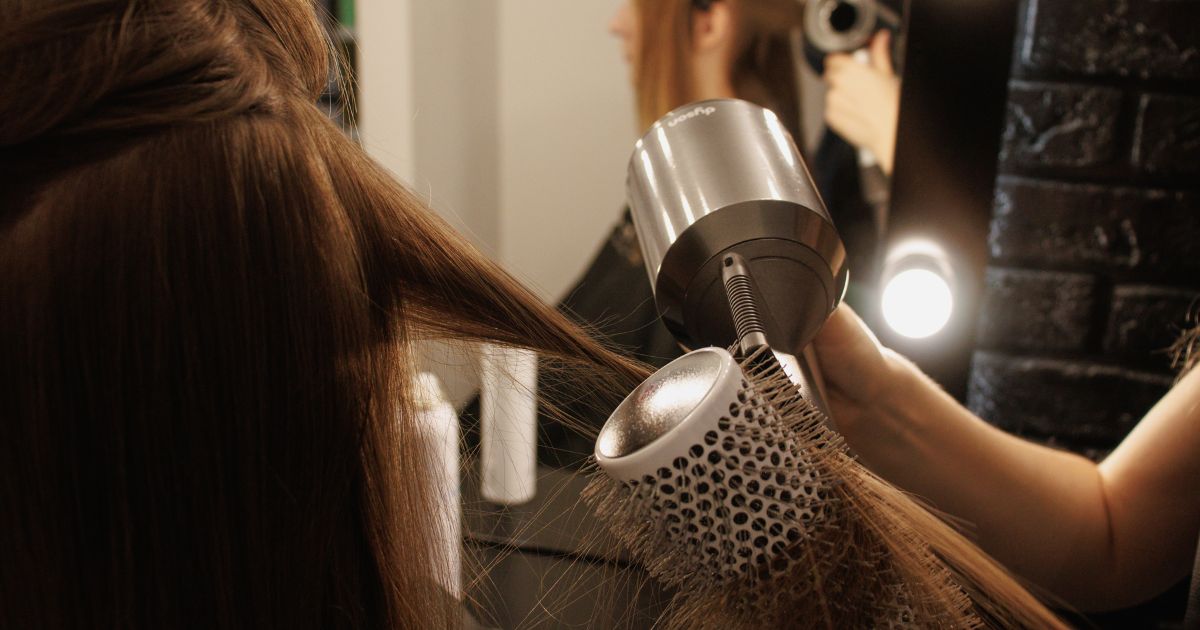
Technique remains important. The AAD’s advice for reducing styling damage includes handling wet hair carefully, limiting excessive heat, and using flat irons on dry hair at low or medium settings. Research indexed by PubMed has also examined how heat can affect the hair cuticle and cortex.
No amount of beautiful decor can compensate for questionable sanitation. I notice whether tools are properly stored, work areas are cleaned between clients, towels appear fresh, and chemical products are handled carefully.
California consumers can review safety information and learn how to verify professional licenses through the California Board of Barbering and Cosmetology. These resources are useful because an attractive social media feed does not confirm that an establishment follows appropriate health and safety practices.
Before choosing a major service, I look for a salon that can answer five basic questions clearly:
The most impressive salon experience is not necessarily the one with the biggest transformation. It is the one that combines creativity with realistic planning. A result earns its place in my beauty hall of fame when it looks polished in photographs, remains manageable at home, and still feels like a smart decision several weeks later.