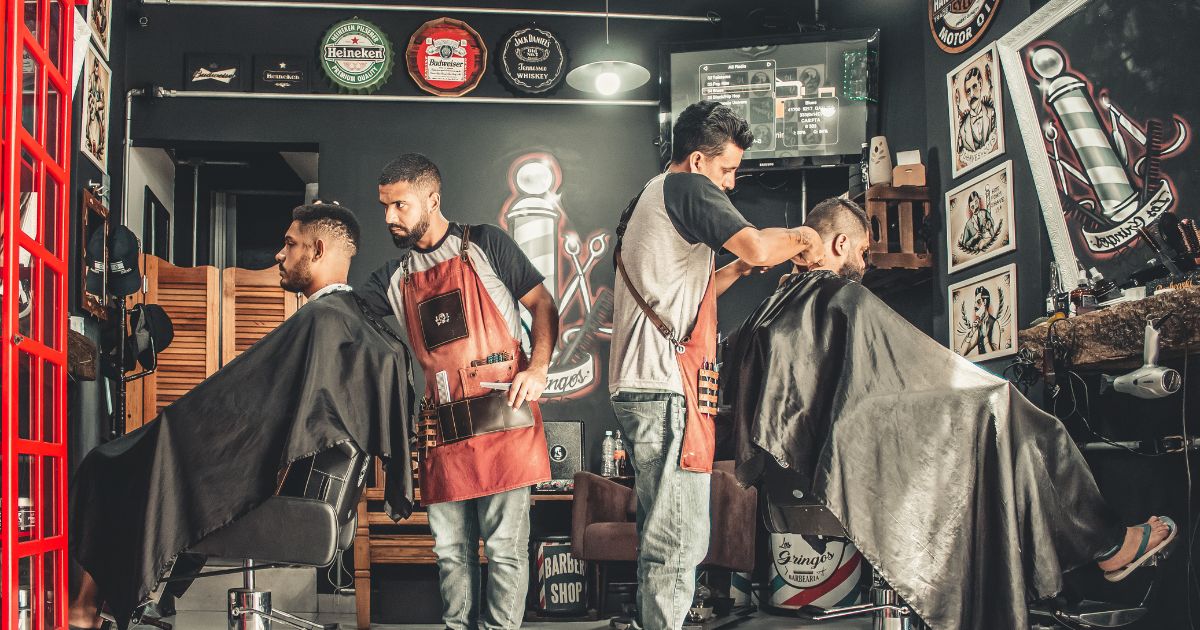
Barber Shop in Pace, FL: What Actually Belongs on Your Shelf?
A barber shop in Pace, FL can help you answer a surprisingly useful question: which products will make your new cut easy to style tomorrow…


A Hair extension technician earns my attention with beautiful results, but earns my trust by explaining exactly how those results will be created and maintained.
Hair extensions are not like testing a new lipstick or switching shampoos. They can require a meaningful investment, several hours in the salon, changes to your daily routine, and regular professional maintenance. That is why I evaluate an extension service more like a long-term beauty purchase than a spontaneous makeover.
Gorgeous photographs still matter, of course. However, my review checklist also considers consultation quality, method selection, pricing clarity, comfort, blending, home care, and removal. Here is how I would assess a technician before letting anyone transform my hair.
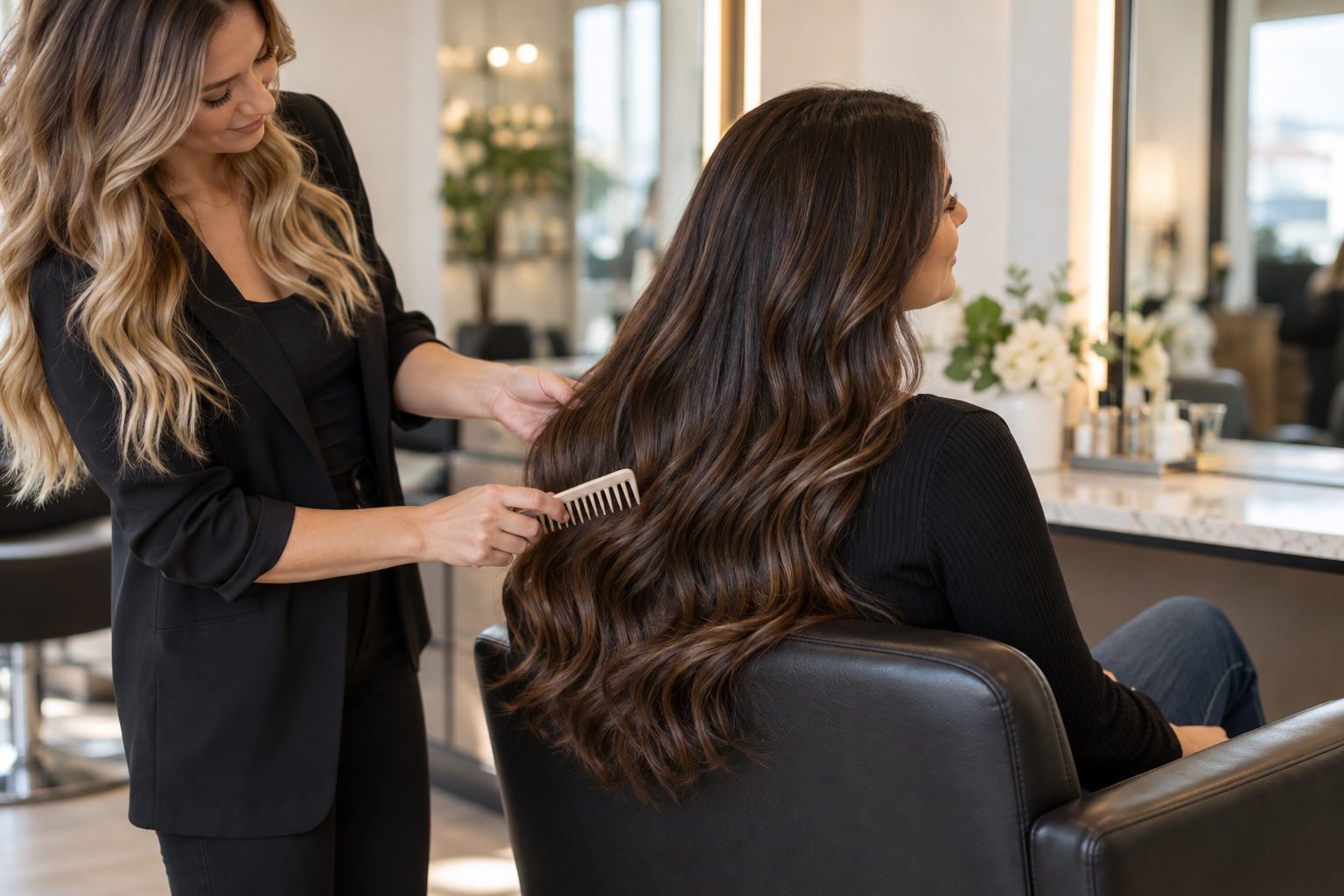
The consultation tells me whether a technician is designing for the client or simply selling a preferred installation method. A thoughtful professional should ask what you want to change before discussing how much hair to order.
Your goal might be longer hair, but it could also be fuller ends, added density around the sides, temporary event styling, or color dimension without lightening more of your natural hair.
I would expect the technician to examine:
This information should shape the recommendation. If every client is immediately offered the same method and amount of hair, I would consider that a warning sign.
Tape-ins, sew-ins, wefts, bonds, and clip-ins are not quality ratings. They are categories with different installation, maintenance, and removal requirements. The important question is why a particular option makes sense for your natural hair and lifestyle.
The U.S. Bureau of Labor Statistics describes the education and licensing generally required for hairstylists and cosmetologists. Extension techniques may involve additional brand or method-specific education, so I would ask about both professional licensing and specialized training.
A convincing answer should be specific without becoming confusing. I want a professional who can explain the reasoning in everyday language, including the limitations of the recommended option.
An installation price alone does not reveal the full commitment. Depending on the method and desired result, the total may include extension hair, color preparation, installation, cutting, styling, maintenance, replacement pieces, and removal.
Before booking, I would request a written estimate covering:
A starting price is useful, but it should lead to a personalized quote. Extremely low advertised pricing may exclude the hair or other essential parts of the service, while an expensive package is not automatically better.
The best extension matches are rarely created with one flat shade. Natural hair may be deeper near the scalp, brighter around the face, warmer underneath, and lighter through the ends. Combining tones can create more believable dimension.
I also want the texture and density to coordinate with the natural hair. Silky-straight extensions may separate from naturally wavy hair when air-dried. Very dense pieces can overpower fine hair, while too little added hair can produce a visible gap between the natural ends and new length.
If color is part of the transformation, the technician should explain whether the natural hair, extension hair, or both will be colored. The FDA’s hair-dye safety guidance recommends following product warnings, observing processing times, performing the instructed skin test, and never mixing different dye products. Previous reactions should be disclosed before any formula is applied.
New extensions may feel unfamiliar for a short time, but beauty should not require ignoring pain. Persistent headaches, stinging, pronounced tenderness, bumps, or visible pulling deserve immediate attention.
The American Academy of Dermatology explains that repeated pulling from tight hairstyles, extensions, and weaves can contribute to traction alopecia. Its warning signs include broken hairs, a receding hairline, patches of loss, pain, stinging, and scalp crusting.
I would ask the technician what level of awareness is expected after installation and whom to contact if something feels wrong. “It has to hurt to last” would end my consultation. A responsible professional should be willing to reassess uncomfortable placement.
Perfectly curled after photographs can hide a weak blend. When reviewing a portfolio, I look for multiple angles, varied textures, different extension lengths, and examples resembling the prospective client’s natural density.
Useful photographs should show more than dramatic transformations. I want to see:
Social media partnerships also deserve context. The Federal Trade Commission advises influencers to disclose material relationships with brands clearly. A sponsored or gifted transformation can still be inspiring, but filters, lighting, styling, and commercial relationships should be considered when evaluating the result.
A home-care plan should be clear enough to follow on an ordinary weekday. If maintaining the result requires a routine you realistically will not perform, another method or a smaller transformation may be the better choice.
Instructions can vary by attachment system, but they may address how to brush, where to apply conditioner, whether the roots must be dried completely, how to secure the hair for sleep, and what to do before swimming.
The AAD’s healthy-hair recommendations include shampooing primarily at the scalp, conditioning after washing, handling wet hair gently, and limiting excessive heat. An extension professional should adapt these fundamentals to the client’s texture and installation method.
I also prefer a focused product list over an overflowing shopping bag. Every recommended cleanser, brush, protectant, or styling product should have an understandable purpose.
A beautiful installation is only half of the service story. Removal requires the correct tools, products, and technique for the attachment method. Pulling at bonds, cutting near attachments, or experimenting with household solvents can create avoidable tangling and breakage.
Several weeks of naturally shed hairs may remain captured inside an attachment, so seeing them together during removal can look dramatic. However, bald areas, inflammation, sudden thinning, or continued loss should not be dismissed.
MedlinePlus notes that hair loss can have numerous causes, including heredity, stress, illness, medications, and nutritional factors. A stylist can observe visible changes, but unexplained hair loss or persistent scalp symptoms should be evaluated by an appropriate healthcare professional.
Clean tools, prepared stations, organized products, and responsible storage may not appear in a glamorous reveal video, but they are part of service quality.
In Bayonne, salons and licensed beauty professionals operate under standards overseen by the New Jersey State Board of Cosmetology and Hairstyling. Clients do not need to memorize every regulation, but they can notice whether clean and used materials are separated and whether the workspace is consistently prepared between guests.
When I review a salon online, I look for a published menu that provides enough information to begin an informed conversation. Teezerz Salon in Bayonne, New Jersey, publicly lists tape-in, sew-in, and temporary clip-in extension options.
Its extension page explains the basic purpose of each method, provides starting service prices, and directs clients toward a consultation for a customized solution. The salon also states that pricing varies according to stylist level, time demand, and product requirements.
That transparency is a helpful starting point, especially because the three listed methods can suit different goals. Someone wanting temporary volume for an event may discuss clip-ins, while a client seeking ongoing length may consider a professionally maintained installation. The consultation should ultimately determine whether any listed option is appropriate for the natural hair.
My highest rating would go to a technician who treats extensions as a customized service rather than a standard package. Beautiful added hair should suit the person wearing it, remain comfortable, blend convincingly, and come with a maintenance plan that works in real life. That thoughtful process is what turns a dramatic before-and-after into a beauty investment worth enjoying.