Barber Shop in Pace, FL: What Actually Belongs on Your Shelf?
A barber shop in Pace, FL can help you answer a surprisingly useful question: which products will make your new cut easy to style tomorrow…

A modern Hair Salon can introduce clients to plant-powered color, hair care, and spa products, but a botanical label alone does not tell us whether a formula will be effective, gentle, or suitable for everyone.
I love beautiful packaging, botanical aromas, and formulas inspired by flowers and plants. I am also a firm believer in looking beyond the front of the bottle. Beauty marketing can make ingredients sound almost magical, while the information that actually helps us choose a product is often hidden in the directions, ingredient list, and professional recommendation.
Plant-powered beauty can be an excellent fit for many routines. The key is understanding what the language means, judging products by performance, and remembering that natural ingredients can still cause irritation in sensitive individuals.
Terms such as botanical, plant-based, clean, green, and naturally inspired appear throughout the beauty industry. They may describe part of a formula, the source of selected ingredients, the brand’s philosophy, or simply the product’s scent and visual identity.
There is no single formula requirement that every product using these phrases must follow. That is why I treat “plant-powered” as the beginning of my review rather than the conclusion.
The U.S. Food and Drug Administration explains that the source of a cosmetic ingredient does not determine its safety. A substance can come from a plant and still trigger irritation or an allergic response. A synthetic ingredient can also perform a useful function safely when properly formulated and used as directed.
“Organic” has a more specific meaning when agricultural ingredients and certification requirements are involved. The FDA’s information about organic cosmetics explains that products making organic claims must still comply with cosmetic labeling and safety requirements. The U.S. Department of Agriculture provides additional guidance for cosmetic and personal-care products that may qualify for certification under National Organic Program standards.
An ingredient list can look intimidating, especially when botanical names are mixed with unfamiliar scientific terms. I do not expect every shopper to become a cosmetic chemist. Instead, I focus on what the product is supposed to do.
A balanced formula may contain several categories of ingredients:
A preservative is not automatically a flaw, and an essential oil is not automatically a benefit. The complete formula, concentration, packaging, and intended use matter more than one fashionable ingredient.
The FDA’s overview of cosmetic ingredients is a useful starting point for consumers who want to understand how ingredient safety responsibilities work in the United States.
My favorite way to evaluate professional hair care is to ask how it performs after several normal wash days. The first salon finish is important, but it does not reveal everything about a shampoo, conditioner, mask, or styling product.
I look for changes in:
Hair type makes a major difference. A rich oil blend that helps coarse, dry ends may flatten fine hair. A strong clarifying shampoo may be useful occasionally for heavy buildup but feel too drying for frequent use on color-treated hair.
The American Academy of Dermatology recommends selecting products according to hair type and concentrating shampoo primarily on the scalp. This is more useful than choosing a product solely because it has the most appealing botanical on the label.
When trying a new professional product, I would change one or two items at a time rather than replacing the entire routine. That makes it easier to identify which formula improved the hair or caused an unwanted reaction.
I would also follow the recommended quantity. Professional formulas may be concentrated, so using a large handful can create heaviness without improving the result.
Botanical ingredients and conditioning technology can enhance the salon experience, but beautiful color still depends on formulation, timing, placement, and an honest assessment of the starting point.
I review color services by asking how the stylist plans to create the result while managing the hair’s condition. A thoughtful color consultation should cover previous dye, lightener, smoothing treatments, home products, desired maintenance, and any history of sensitivity.
No professional formula can guarantee that hair will experience no stress during a major chemical transformation. The safest plan may involve multiple sessions, strategic dimension, a gloss, or a less dramatic first step.
For me, the best color experience includes:
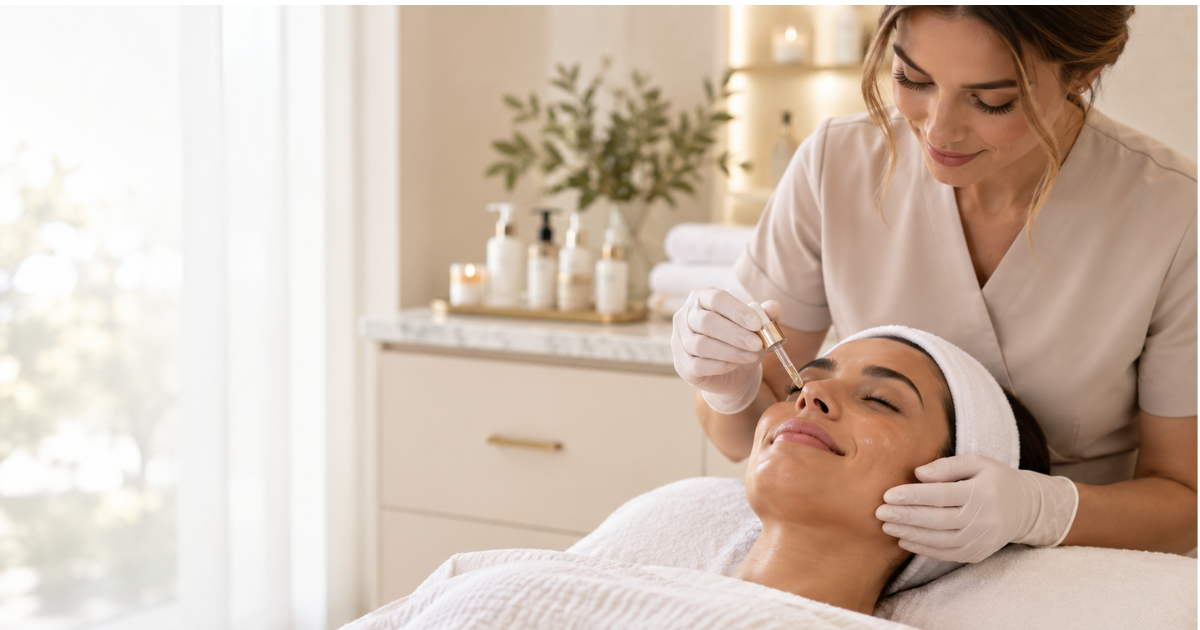
Aromatic rituals are part of the appeal of many plant-focused salon and spa experiences. Scalp treatments, facials, massage products, and shampoos can create a relaxing sensory moment through floral, herbal, or citrus notes.
Still, fragrance preferences and sensitivities vary. Someone who loves an aromatic oil may describe it as calming, while another person may find the same scent overwhelming.
Botanical fragrances can also contain substances capable of causing contact dermatitis. The AAD’s overview of contact dermatitis identifies fragrance as a common source of allergic reactions. Anyone with known sensitivities should tell the stylist, esthetician, nail professional, or massage therapist before products are applied.
For a facial or body service, ask whether a fragrance-free option is available. A professional should be able to explain which products will be used and adjust the experience when suitable alternatives exist.
Shampoo and styling products do not remain perfectly contained on the hair. They may touch the scalp, forehead, neck, shoulders, and pillowcase. Rich conditioners, oils, and pomades can be helpful for the hair while feeling too occlusive for acne-prone skin.
The American Academy of Dermatology notes that certain hair-care products may contribute to breakouts around the hairline, forehead, or neck. If blemishes appear after introducing a new product, consider where the formula is being applied and whether residue is transferring to the skin.
Practical adjustments include:
Persistent acne, rashes, swelling, or painful scalp symptoms should be evaluated by an appropriate healthcare professional.
Beauty packaging often uses leaves, earthy colors, and phrases such as environmentally friendly. I give brands more credit when they provide specific information instead of relying on a broad green image.
Useful details might include the percentage of recycled packaging, refill options, renewable energy use, responsible ingredient sourcing, water-saving initiatives, or clearly explained recycling instructions.
The Federal Trade Commission advises consumers that environmental marketing claims should be truthful and properly qualified. Its guidance encourages businesses to support broad claims with specific environmental benefits.
In other words, “made with 100 percent post-consumer recycled plastic” communicates more than a vague statement such as “good for the planet.” Specific claims are easier to understand, compare, and verify.
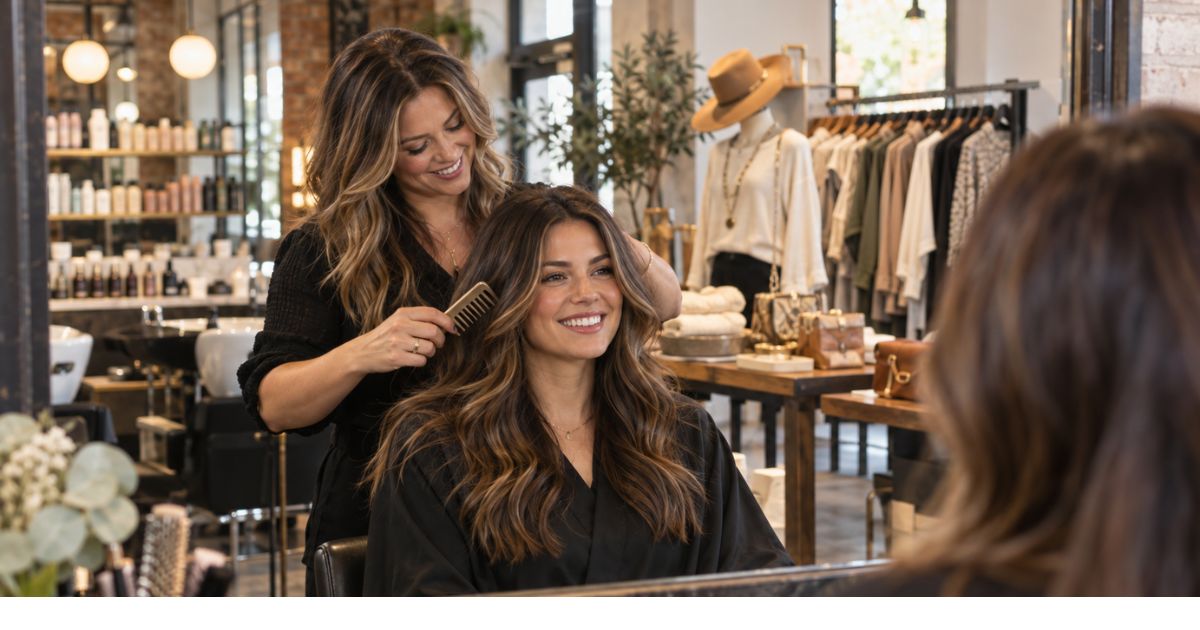
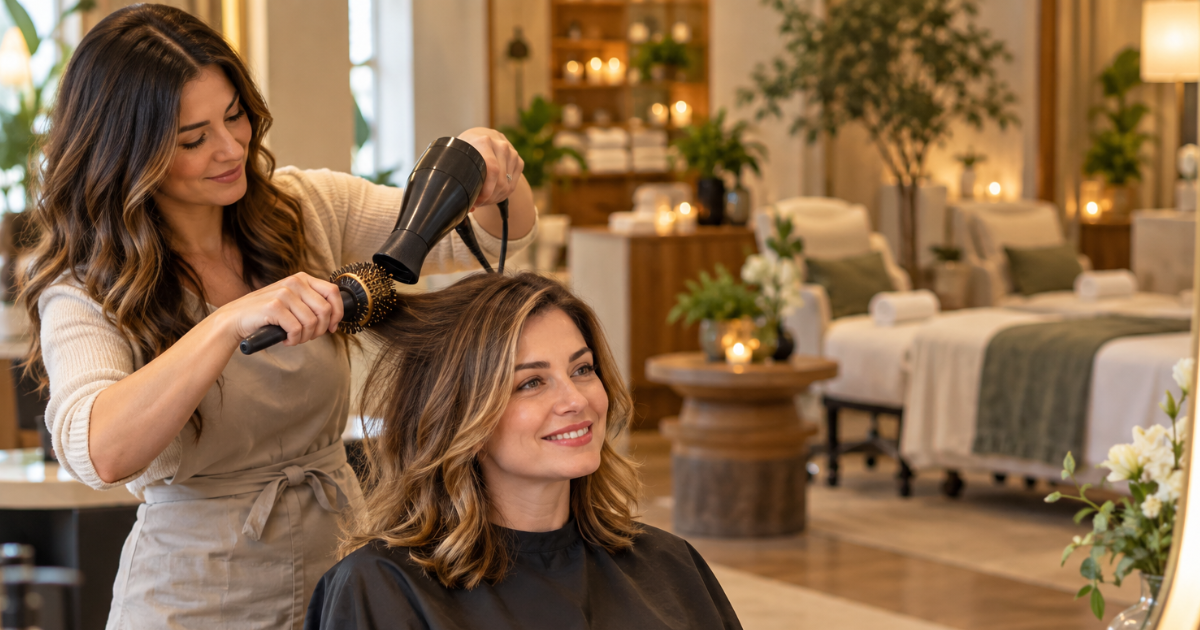
One benefit of professional beauty care is access to someone who can explain how a product fits a particular goal. Instead of buying a trending formula and hoping for the best, clients can discuss texture, scalp condition, color history, styling habits, and fragrance preferences.
This consultative approach is part of the experience at Centre Salon & Spa, a full-service Aveda salon and spa with locations in Arvada, Westminster, and Denver at Tiffany Plaza. Its menu includes haircuts, dimensional color, extensions, hair treatments, facials, massage, nail care, waxing, threading, and bridal services.
Because services and provider availability may differ by location, clients should confirm the exact treatment and professional when scheduling. It is also worth asking which products will be used, why they are recommended, and what is truly necessary for maintaining the result at home.
Before giving a botanical product or service a glowing review, I ask:
Plant-powered products can deliver beautiful color, polished styling, enjoyable aromas, and memorable spa rituals. They deserve the same thoughtful review as every other cosmetic formula.
The strongest beauty routine is not built by choosing between “natural” and “synthetic” as if one category is always superior. It comes from selecting well-formulated products that suit the individual, following directions, watching for reactions, and asking professionals to explain the purpose behind each recommendation. That is the kind of beauty experience worth bringing home.