Barber Shop in Pace, FL: What Actually Belongs on Your Shelf?
A barber shop in Pace, FL can help you answer a surprisingly useful question: which products will make your new cut easy to style tomorrow…

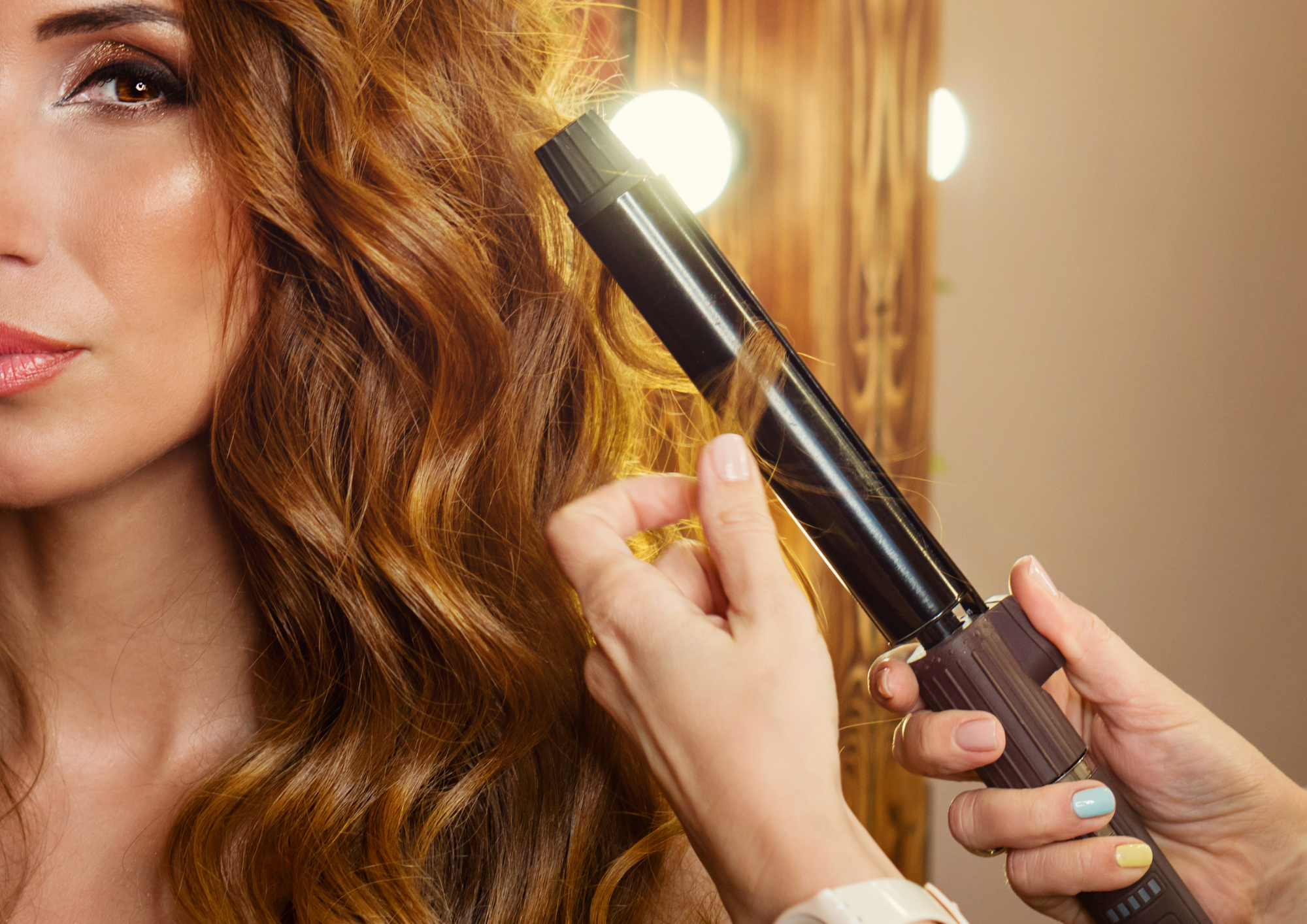
Customized salon styling should leave you with more than a beautiful finish; it should produce a cut, color, or style that still makes sense after you wash your hair at home.
That distinction matters because almost any skilled stylist can create a polished look for the salon mirror. The more revealing test comes several days later. Does the haircut fall into place without a complicated routine? Does the color flatter your skin tone in natural light? Can you recreate at least a simplified version of the finish?
If I were rating how personalized a salon experience truly is, I would look beyond the final photograph. These are the five factors that would earn the highest marks.
Photos are excellent conversation starters, but they do not tell the stylist how much time you spend on your hair, how frequently you wash it, or what happens when it meets humidity.
A meaningful consultation should explore:
The stylist should also translate broad requests into something specific. “I want more movement” might mean long internal layers for one person and a shorter face-framing shape for another. “I want brighter color” could mean a few strategic highlights, a dimensional balayage, or a complete blonding process.
Personalization happens when the stylist identifies the reason behind the reference photo rather than copying its outline.
Hair is not a blank canvas. Each strand has a physical structure, and that structure changes through environmental exposure, heat, friction, and chemical processing. A scientific overview of hair cosmetics and fiber structure published through the National Library of Medicine explains how the cuticle and inner portions of the strand influence strength, shine, and manageability.
Those differences affect almost every salon decision.
Fine hair may benefit from a stronger perimeter that preserves the appearance of density. Thick hair may need thoughtful weight removal, but aggressive thinning can create short pieces that expand or frizz. Curly hair requires careful consideration of shrinkage, spring, and how individual sections form once dry.
The best cut is not determined by face shape alone. It also considers density, strand diameter, natural movement, and the guest’s preferred styling routine.
Color history is just as important as the desired shade. Previously lightened ends may respond differently from untreated growth. Porous sections can absorb or release color unevenly, while fragile hair may not be a good candidate for an aggressive transformation in one session.
The American Academy of Dermatology’s color-care guidance notes that significant lightening generally requires stronger processing and can cause more damage. That does not mean dramatic color changes are impossible. It means the plan should account for the starting point, hair condition, and realistic maintenance.
A personalized salon result feels cohesive. The haircut supports the color placement, and the styling reveals both.
For example, face-framing highlights may look more intentional when they follow the shape of the haircut. Layers can create movement that displays dimensional color, while a strong blunt perimeter may make a solid shade feel richer and more graphic. A glaze can refine tone and shine, but it should complement the overall design rather than function as a disconnected add-on.
This is one reason I like salon menus that treat cuts, color, and finishing as connected services. Based on its published menu, Lola Hair Studio in Cambridge offers long and short haircuts, blowouts, special-occasion styling, dimensional color, blonding, glazes, color transformations, and fantasy color. Its service descriptions also emphasize consultations and at-home guidance, two important markers of a genuinely customized experience.
On paper, that structure supports a more complete design conversation. A guest can discuss how the haircut, shade, and everyday finish should work together instead of making each decision separately.
This is the category I consider most important. A style can be technically impressive and still be wrong for the person wearing it.
Before committing to a new look, consider these practical questions:
Washing habits also influence how long a style and color feel fresh. Cleveland Clinic’s discussion of how often to wash hair explains that texture, oil production, length, age, and chemical processing can all affect an appropriate schedule. There is no single routine that works for everyone.
A strong stylist should be comfortable adjusting the dream look to fit those realities. That might mean softer root blending, longer layers, a lower-maintenance fringe, or a color placement designed to grow out gracefully.
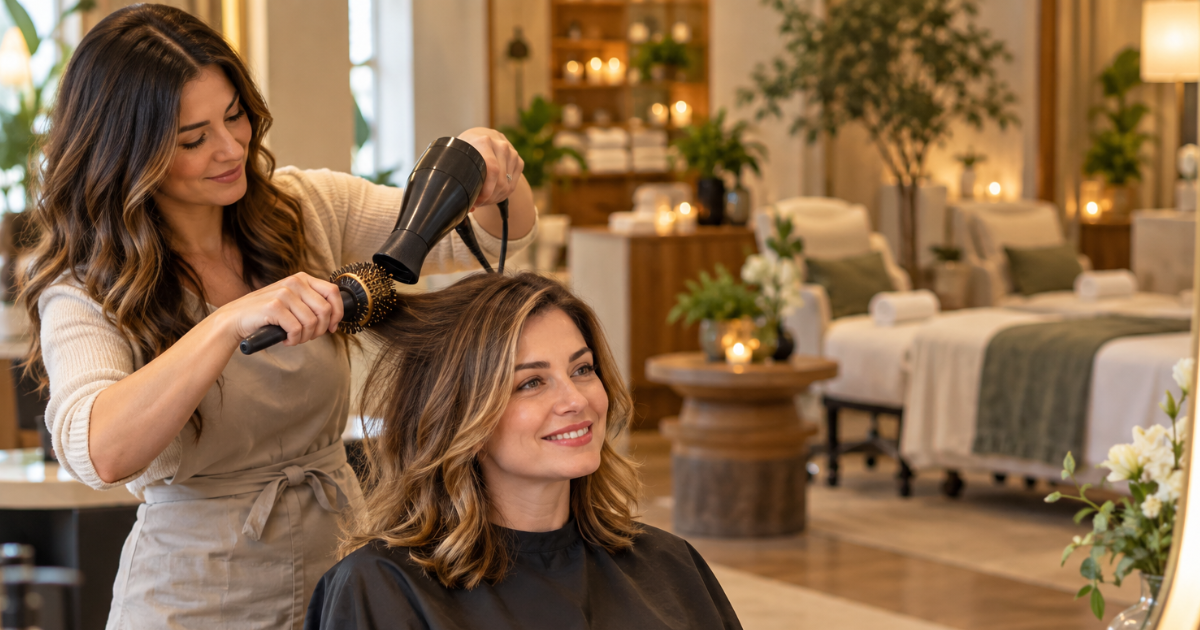
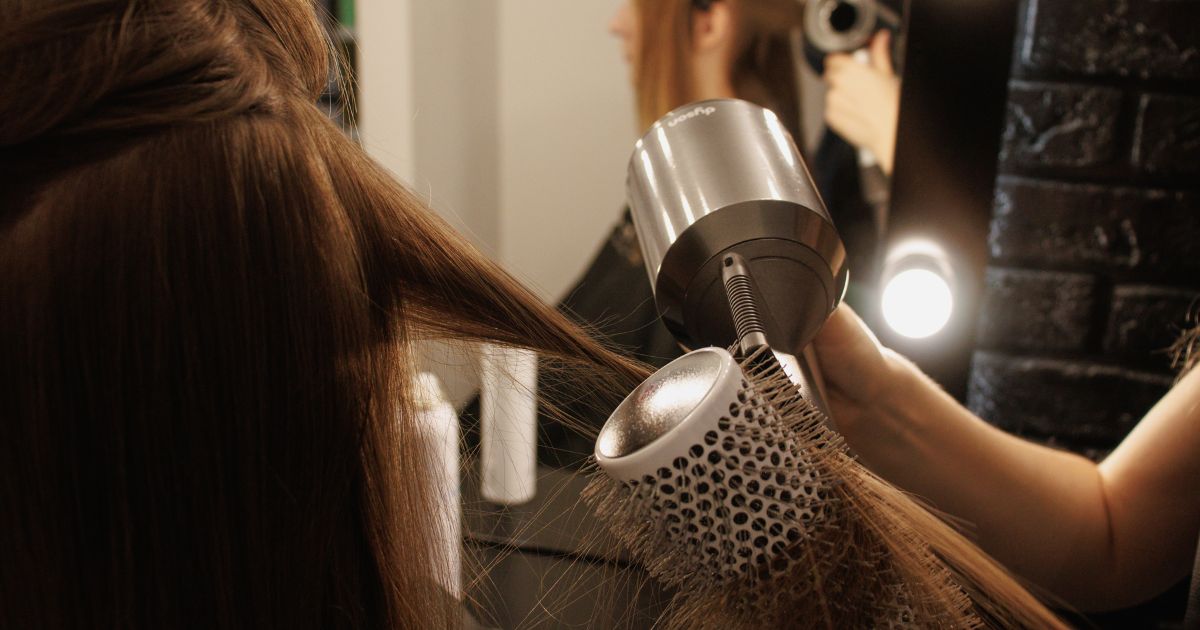
The final blow-dry is more than a reveal. It is a chance to learn how the haircut behaves and which techniques make the biggest difference.
You do not need to memorize every movement of the stylist’s brush. Focus on a few practical details:
Heat technique deserves particular attention. Laboratory research on hair-dryer temperature, distance, and fiber damage found that surface damage increased as temperature rose, while greater distance reduced exposure intensity. In everyday terms, hotter and closer is not necessarily better.
The AAD similarly advises using low or moderate heat and limiting excessive hot-tool use. A customized finish should show you an efficient way to style your hair, not convince you that maximum heat is required every morning.
Big transformations deserve extra planning. Bring clear photos of what you like, but also provide an honest history of home dye, salon color, henna, lightening, smoothing, and other chemical services. Even color applied months ago may still be present through the mid-lengths and ends.
It is also important to mention previous reactions. The U.S. Food and Drug Administration’s hair-dye safety guidance recommends following product warnings and performing a skin test before each use. Burning, intense itching, swelling, or a rash should never be treated as proof that the product is working.
A careful color plan may include multiple sessions, especially when moving from dark artificial color to a significantly lighter result. Slower progress is not necessarily a lack of skill. It can be a sign that the stylist is prioritizing the condition of the hair.
Salon customization works best when the home routine supports it. The goal is not to purchase an entire shelf of products. It is to use a few appropriate products consistently.
The AAD’s healthy-hair recommendations offer a sensible foundation:
Color-treated hair may also benefit from sun protection, fewer unnecessarily hot washes, and a maintenance product selected for the shade. Blondes may occasionally need help controlling unwanted warmth, while vivid colors often require a routine designed to reduce rapid fading. The exact plan should match the formula used and the condition of the hair.
A salon style earns top marks when it delivers in three places: under salon lighting, in natural daylight, and in the guest’s own bathroom. If it only succeeds in the first setting, it was a beautiful finish rather than a fully personalized design.
The most convincing customization is often subtle. It can be a fringe adjusted around a cowlick, color placement that softens the grow-out line, or layers designed to air-dry with natural movement. These decisions may not be obvious in a quick photograph, but they determine whether someone enjoys the style for weeks afterward.
That is the real beauty-editor test. The best salon work does not ask you to reorganize your life around your hair. It helps your hair fit more comfortably and confidently into the life you already have.