Barber Shop in Pace, FL: What Actually Belongs on Your Shelf?
A barber shop in Pace, FL can help you answer a surprisingly useful question: which products will make your new cut easy to style tomorrow…

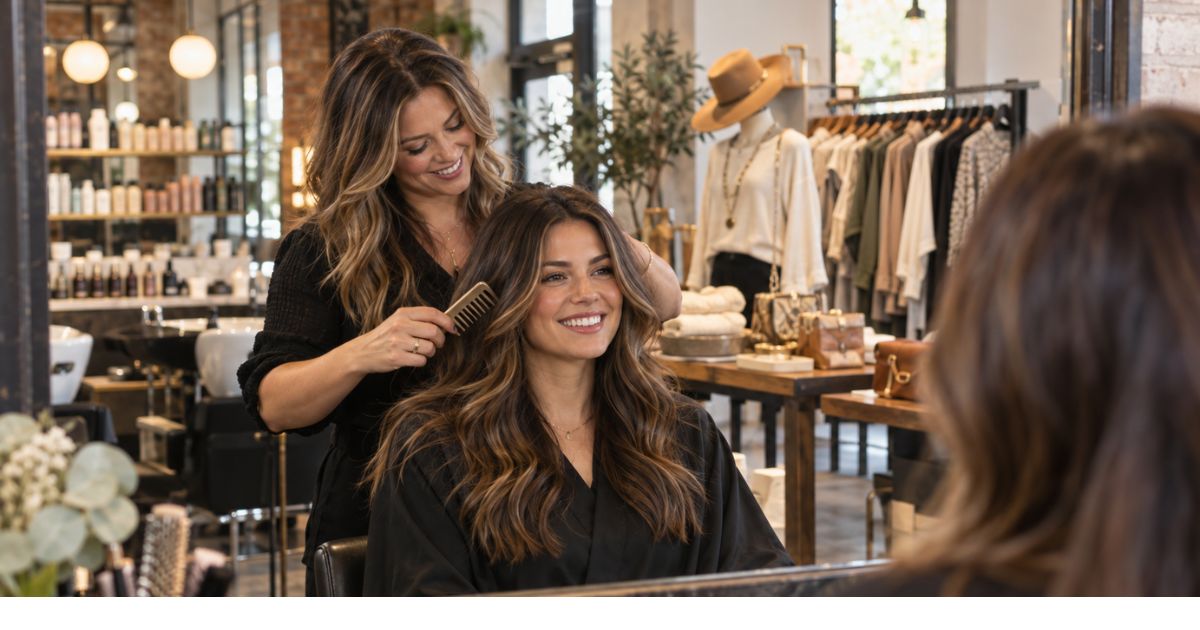
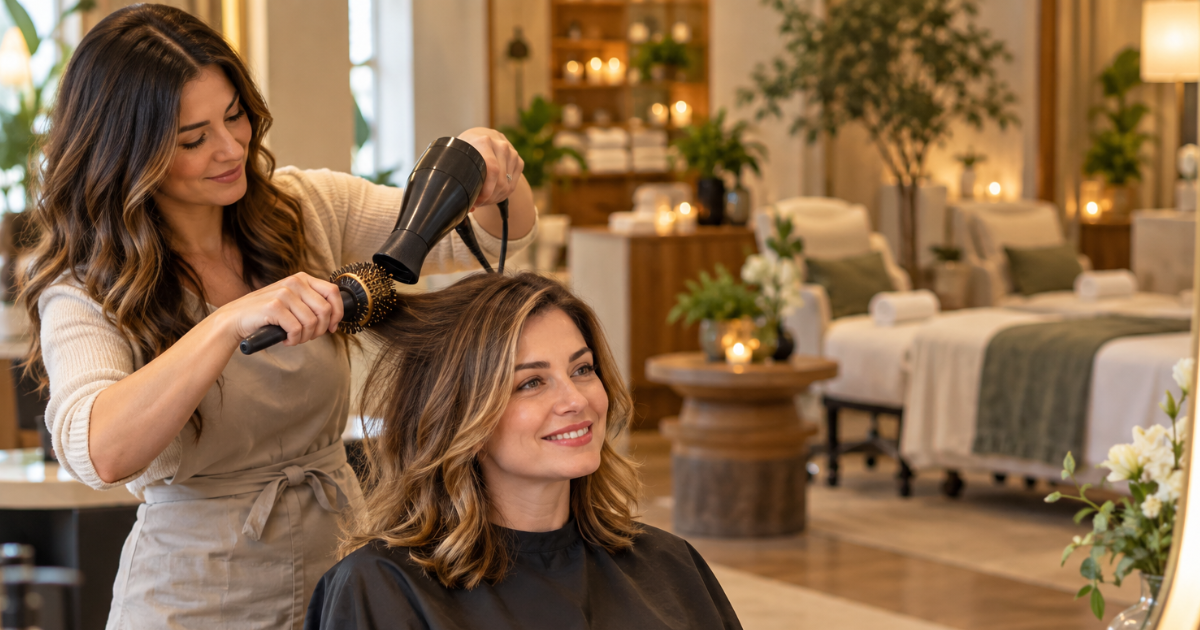
Getting full highlights is less about making every strand lighter and more about deciding where brightness will do the most visual work.
That distinction is the secret behind dimensional color. Highlighted hair still needs shadows and enough of the base color to make lighter pieces visible. When placement follows the haircut, texture, part, and styling routine, the color comes alive.
Think of a full highlight as a lighting plan for your hair. The face frame, part, crown, sides, interior, and underneath layers each have a different job. Understanding those jobs makes it much easier to describe the result you want.
A full highlight distributes lightened pieces through more areas of the head than a partial highlight. It does not mean that every strand becomes blonde or that the final color must be extremely bright.
The stylist can adjust the visual effect through several variables:
This is why two people can both request a full highlight and leave with completely different looks. The service name describes the scope; the consultation defines the design.
The hairline delivers maximum impact with relatively little hair. Bright pieces around the face can make the entire result appear lighter, especially when the hair is pulled back. They can also emphasize a fringe, cheekbone-length layer, or soft tendril.
This area often contains finer, more fragile strands, so “brighter” should not automatically mean repeated lightener. The plan must account for hairline condition as well as the desired effect.
The part controls what you see when the hair is down. Closely spaced pieces create a luminous surface; wider spacing preserves contrast. Someone who changes their part needs a design that works in both positions.
Root placement also affects grow-out. Highlights woven close to the scalp look freshly bright, but the emerging line may become noticeable sooner. A little diffusion can soften the transition.
The crown connects the visible top to the back. Without continuity here, bright front sections can seem disconnected. Cowlicks, growth patterns, and layers change how the pieces fall, so placement should follow the hair.
Interior highlights create movement when the hair shifts. They are particularly important in layered cuts, curls, and waves, where different surfaces appear throughout the day. Yet this is also where strategic depth earns its keep. Darker strands behind a light ribbon make that ribbon look brighter.
Photographs sometimes hide this detail. Curls may display perfect ribbons, while a straight finish reveals how the sections connect. If you wear your hair both ways, bring references showing both textures.
Underneath color appears in ponytails, clips, braids, and movement, but it does not need to be as light as the top. Keeping depth here protects dimension and limits the hair exposed to lightener.
A useful consultation question is: “Do you want to feel lighter everywhere, or do you want the light pieces to stand out more?” The answers lead to different maps.
More blonde creates higher overall brightness. Deeper hair beside selected blonde pieces creates stronger contrast. The right choice depends on personal style, gray-blending goals, natural depth, density, and maintenance preferences.
The American Chemical Society’s explanation of blonde hair chemistry describes how peroxide-based lightening changes pigment and the hair surface. A microscopy study indexed by the National Library of Medicine also illustrates structural changes associated with cosmetic treatments. The brightest possible result is not always the smartest one.
Reference photos show a destination, not the route. Virgin hair, previous highlights, permanent dark color, fashion shades, henna, and at-home dye can respond differently to lightening. Elasticity, porosity, breakage, and chemical history all matter.
The American Academy of Dermatology notes that lightening more than three shades generally requires stronger peroxide and can cause more damage. That does not impose a universal three-shade rule for salon color. It does explain why a dramatic shift may require staged sessions, conservative placement, or a revised goal.
Share your complete color history, even if the last dark dye was applied months ago. Hair records its chemical past until that length is cut. When the outcome is uncertain, a strand test can reveal lift, tone, and resilience.
Lightener reveals underlying warmth as natural pigment is altered. Toner or gloss can then refine that exposed warmth and adjust the finish toward beige, gold, pearl, neutral, or cooler territory. It can also add shine and help separate the final color from the raw lifted stage.
However, toner cannot move a highlight, create missing depth, or turn an uneven placement pattern into a balanced one. If a result feels too solid, too stripy, or disconnected from the haircut, the solution may involve the highlight map rather than a different shade of toner.
When choosing tone, also consider wardrobe, makeup habits, natural base color, tolerance for warmth, and how often you want to refresh the finish.
Instead of asking a stylist to copy a picture wholesale, identify the parts you actually love. Use this quick checklist:
Bring two or three images with similar starting colors, plus one showing what you do not want. Clear dislikes can be as informative as inspiration.
Bella Fiore Salon in Loganville, Georgia, lists full, partial, and focus highlights on its current color menu, along with balayage, bleach and tone, and all-over color. The salon explains that its stylists consult on the desired result and select a foil or balayage technique to create dimension and depth.
“I want highlights” is only the opening brief. One person may need brightness throughout, while another may get the desired change from face-framing or top sections. The right choice depends on the starting canvas.
Good aftercare is not about buying an overcrowded shelf of products. It is about reducing unnecessary stress while keeping the hair clean, conditioned, and manageable.
These habits align with the AAD’s healthy-hair recommendations on conditioning, gentle wet-hair handling, and heat. The Cleveland Clinic’s sun-damage guidance explains that ultraviolet exposure can dry strands, weaken structure, and fade color.
If you use at-home toning or coloring products, follow the instructions rather than improvising stronger mixtures or longer processing times. The U.S. Food and Drug Administration’s hair-dye safety guidance advises consumers to observe warnings, perform the recommended skin test each time, respect processing limits, rinse thoroughly, and never mix different dye products.
A successful full highlight should make sense with the hair down, up, straight, curled, freshly toned, and several weeks into grow-out. It requires deciding where light belongs, where depth should remain, and what upkeep fits real life.
Before the service begins, ask where the brightest pieces will sit, how the placement will appear with your usual part, what warmth is realistic, and how the plan protects previously lightened lengths. Those questions turn a familiar salon service into a genuinely custom color design.