Barber Shop in Pace, FL: What Actually Belongs on Your Shelf?
A barber shop in Pace, FL can help you answer a surprisingly useful question: which products will make your new cut easy to style tomorrow…

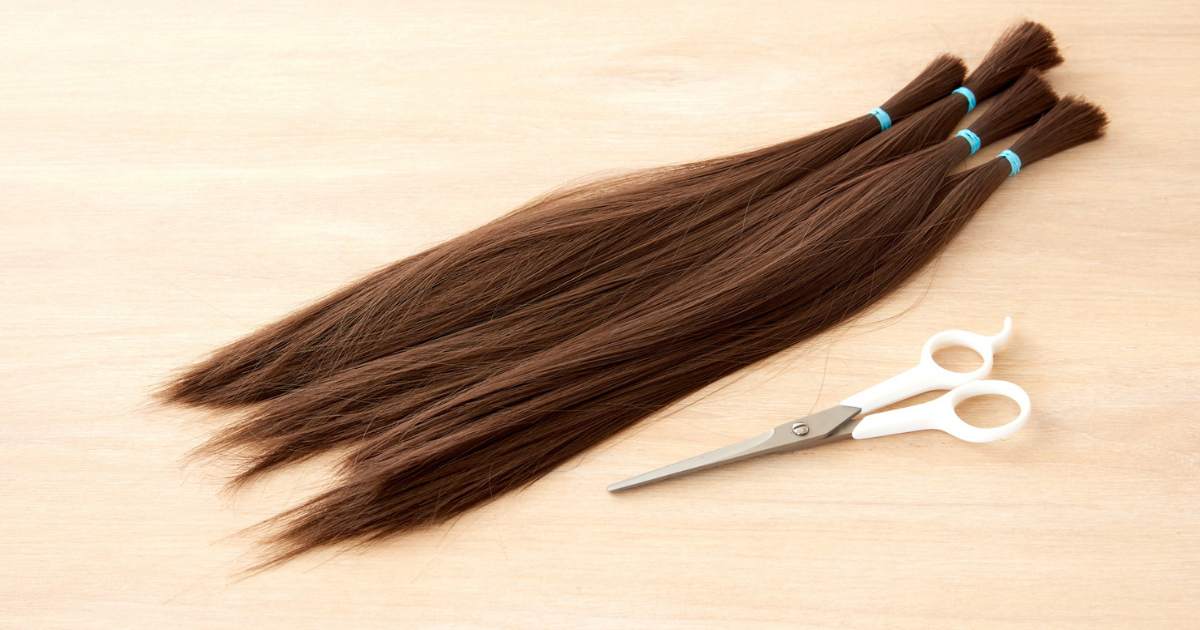
Luxury hair extensions should still feel like a beautiful choice after the reveal photo, the first wash, a rushed morning, and a full day of wearing your hair up.
That is my favorite way to evaluate extensions. Day-one glamour matters, of course, but the real review begins when the salon cape comes off. Can the hair move naturally? Are the attachment points comfortable? Does the blend hold up in daylight? Can you care for everything without turning your bathroom into a second salon?
A premium result is not simply more hair. It is a carefully planned look that works from every angle and fits into real life. Here is what deserves attention before, during, and after an extension service.
A still image can hide a lot. It captures one angle, one lighting condition, and one freshly styled finish. Extensions have to perform when you turn your head, tuck your hair behind an ear, walk outside, or skip the curling iron.
The most convincing blends usually coordinate three elements:
Before leaving the salon, look at the result from the back and both sides. Check it straight and in its finished texture. If you regularly wear a low ponytail or loose half-up style, test that too. A strong installation should be designed around the ways you actually style your hair, not one camera-ready arrangement.
New attachment points may feel unfamiliar, but pain should never be presented as the price of beauty. Excessive weight or tension can stress the natural hair and scalp. The American Academy of Dermatology’s extension-care guidance advises clients to speak up if extensions cause pain or a headache because a style that feels too tight can contribute to traction alopecia.
That issue is not merely cosmetic. Johns Hopkins Medicine explains that extensions are among the styles that can pull at the roots and that early attention to shedding or thinning matters. Although traction alopecia is often discussed in relation to particular hair textures and protective styles, repeated pulling can affect anyone.
Pay attention to these signals:
Contact the salon promptly if something feels wrong. A stylist may need to inspect or adjust the installation. New or worsening hair loss, significant scalp inflammation, or symptoms that continue after adjustment deserve evaluation from a dermatologist.
Method names can sound like beauty jargon until you picture how the hair is distributed. Hand-tied systems generally place wefts along beaded rows, creating fullness across planned sections. Keratin-tip, or K-tip, systems use smaller individual bonds that can be distributed strand by strand.
One is not automatically more luxurious than the other. The better choice depends on what the natural hair can support, the density needed, preferred styling, and the upkeep the wearer will follow. Concentrated rows and individually placed bonds also create different brushing, drying, and maintenance experiences.
Ask to see the attachment pattern before the finished styling covers it. You are not inspecting the stylist’s work to be difficult. You are learning where to brush carefully, how to separate sections, and which updos will keep the attachments concealed.
Any extension plan can sound manageable when explained in a salon chair. The useful version is specific enough to follow on a busy Tuesday.
Work through tangles gently, beginning at the ends and moving upward while supporting the hair near its attachment points. Use the brush or comb recommended for the installed method. Aggressive detangling can strain both the extension hair and the natural strands supporting it.
Extension hair does not eliminate the need for scalp cleansing. Apply shampoo where oil and buildup collect, then allow the lather to move through the lengths rather than rubbing them together. The American Academy of Dermatology’s guidance on preventing hair damage similarly recommends massaging shampoo into the scalp, conditioning after washing, and limiting rough handling.
Added hair still experiences weathering from friction, washing, sunlight, and hot tools. A peer-reviewed review of hair-care physicochemistry explains how damage to the hair fiber affects its surface and mechanical properties. In everyday terms, repeated stress can make hair feel rougher, tangle more readily, and lose its polished look.
Use the temperature and product guidance provided by the extension specialist. Keep direct heat away from attachment points unless the method’s care instructions specifically permit it, and remember that more heat does not equal a better finish.
Salon lighting can flatter almost anything. A serious color check includes indirect daylight, ordinary indoor light, and the phone camera you use most often. The goal is not necessarily a single flat shade from root to end. Natural hair usually contains several tones, so an artful extension blend may use more than one color to recreate dimension.
Look especially closely at the shortest natural layers and the perimeter around the face. If those areas are much lighter, darker, warmer, or cooler than the added hair, the difference may become more visible when the smooth blowout relaxes.
If color work is needed for blending, ask whether it happens before, during, or after installation. That sequence affects timing, cost, and future maintenance, so it belongs in the plan from the beginning.
Extensions change as natural hair grows. Rows may move farther from the scalp, bonds become easier to see, and the overall shape can lose some balance. That is ordinary lifecycle information, not proof of a poor service.
Repeated slippage soon after installation, persistent matting at the roots, painful tension, or visible damage is different. The AAD’s traction alopecia overview identifies pain, stinging, crusting, broken hairs near the forehead, and a receding hairline as signs that a pulling style may be causing harm.
Do not quietly tolerate discomfort until the next scheduled service. Take clear photos, note when the problem began, and contact the salon. Do not remove bonded or sewn-in hair by pulling, cutting blindly near the roots, or experimenting with an unapproved solvent.
The installation price is only one part of extension ownership. A useful estimate may include the hair, installation, blending cut, related color work, maintenance visits, home-care products, removal, and eventual replacement. Ask which items are included and which are billed separately.
Also calculate the time budget. Longer, fuller hair can take more time to wash, dry, detangle, and style. If your routine is already packed, a lighter amount of hair or a shorter finished length may deliver a more luxurious experience because it is easier to maintain well.
Professional credentials are another practical check. Georgia consumers can use the Secretary of State’s license-verification portal to look up cosmetology professionals and facilities. Method-specific education, portfolio experience, maintenance support, and clear removal procedures are also worth discussing.
Forever Young Salon in Cumming, Georgia, currently publishes two extension options: hand-tied extensions and keratin-bond K-tip extensions. Its service page states that extension work requires a consultation with an extension-certified stylist and that clients receive a custom recommendation and price estimate.
The salon also says it uses high-quality, ethically sourced hair and plans around the client’s hair condition, color, texture, and intended result. For someone comparing providers, the most useful next step is to pair those claims with real-life questions about placement, home care, maintenance, and removal.
If I were reviewing a fresh set, I would score it on these six points:
The best extensions do not demand constant perfection from the person wearing them. They look considered, feel manageable, and come with a care plan that makes sense beyond the salon. That is the difference between hair that is merely longer and an extension experience that genuinely feels luxurious.