Barber Shop in Pace, FL: What Actually Belongs on Your Shelf?
A barber shop in Pace, FL can help you answer a surprisingly useful question: which products will make your new cut easy to style tomorrow…

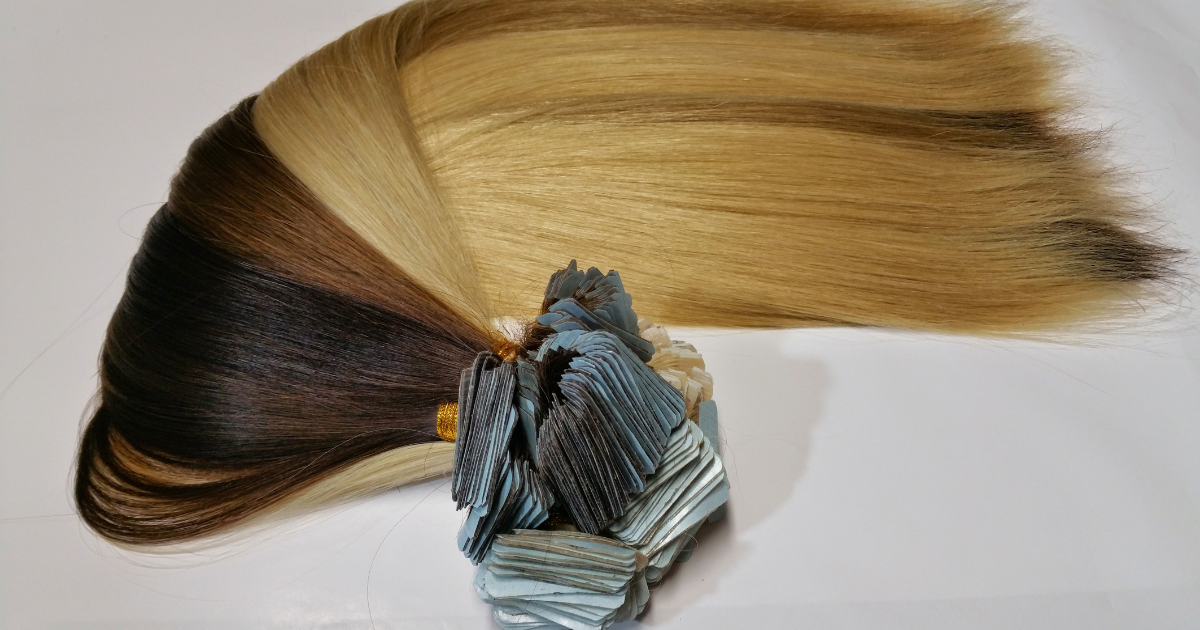
The most convincing hair extensions in Oregon City, OR are not necessarily the longest or most dramatic. They are the ones that blend naturally, move comfortably, complement the haircut, and fit the wearer’s everyday routine. When extensions are selected thoughtfully, they can create fullness, length, dimension, or styling flexibility without looking separate from the natural hair.
Hair extensions have become one of beauty’s most customizable services, but that flexibility can also make the decision confusing. Hand-tied, K-tip, I-tip, and tape-in methods all offer different advantages. The right choice depends on hair density, condition, desired result, maintenance preferences, and styling habits.
Here is the honest beauty-blogger takeaway: start with the consultation, not the transformation photo.
Many people associate extensions with waist-length hair, but added length is only one possibility. Extensions can also fill thinner areas, create density through the ends, support fuller braids and updos, or introduce color without lightening as much of the natural hair.
A clear goal helps the stylist select an appropriate method and amount of hair. Someone looking for subtle fullness around the sides may need a very different installation from someone planning a major length change.
Before the consultation, consider which result matters most:
It is also helpful to define what “natural-looking” means to you. Some guests want extensions that no one notices, while others want an intentionally glamorous result. Neither goal is wrong, but the stylist needs to know which direction to follow.
Extension services should not begin with a guess. A personalized consultation allows the stylist to assess the natural hair, discuss the desired outcome, and determine which installation method is most appropriate.
The stylist may consider density, texture, scalp sensitivity, current length, color history, breakage, and the strength of the hair near potential attachment points. Daily routines matter too. Frequent swimming, intense exercise, tight hairstyles, or limited styling time may affect the recommendation.
A complete consultation should also establish maintenance expectations. Extensions require professional adjustments or replacement according to the selected method and the natural hair’s growth. Understanding that schedule before installation helps prevent surprises later.
Good consultations include honest limitations. If the requested length would place too much weight on the available natural hair, a stylist may recommend a shorter result, less added hair, or a staged approach.
Hand-tied extensions use thin wefts of hair that are sewn onto a foundation created with small beads. The method can be used to add volume and length while keeping the individual wefts organized in rows.
This option may appeal to guests who want a fuller transformation and enjoy wearing their hair in different styles. Placement is important because the rows need to remain covered when the hair is worn down and should feel balanced when the hair is moved or styled.
The number of rows and wefts depends on the desired effect and the density of the natural hair. More is not automatically better. A customized plan should distribute the added weight appropriately while creating enough coverage for a smooth blend.
Maintenance appointments allow the stylist to reposition the extensions as the natural hair grows. Guests should follow the salon’s instructions for brushing, washing, drying, and securing the hair between visits.
K-tip extensions are applied strand by strand using small keratin bonds activated during installation. Because the pieces are individually placed, the stylist can customize their distribution and create movement that resembles natural hair.
This method can be useful when detailed placement is needed throughout different areas of the head. The individual bonds may also provide styling versatility because the hair is not attached in a continuous weft.
K-tips generally involve a more time-intensive installation, and guests must be prepared to care for the bonds properly. Oils, conditioners, and masks may need to be kept away from attachment areas unless the stylist advises otherwise. Aggressive brushing or pulling near the bonds can also shorten the life of the installation.
Because K-tip extensions are bonded to individual sections, appropriate sizing and distribution are essential. The natural hair must be able to support the selected amount of extension hair comfortably.
I-tip extensions are also installed strand by strand, but small beads secure the extensions without glue or heat. This creates individual movement and allows the stylist to place pieces according to the guest’s density and desired result.
One advantage of this method is that the extension hair may be reusable when it remains in suitable condition and is maintained according to professional guidance. The beads still require periodic repositioning as the natural hair grows.
I-tips may not suit every density or lifestyle. Fine hair can require especially careful placement so attachment points remain covered and the natural strands are not overloaded. People who frequently wear very high ponytails or tight updos should discuss those habits during the consultation.
Tape-in extensions use lightweight wefts attached with specialized adhesive. The pieces lie relatively flat against the head, making them a popular option for adding length or volume with fewer individual attachment points.
At Ensemble Salon, tape-in maintenance is generally recommended every six to eight weeks, although the appropriate timing can vary based on natural growth, products, and home care.
Adhesive areas should be treated carefully. Applying heavy oils or conditioning products directly to the attachment points may weaken the bond. The hair should also be dried thoroughly and brushed using the technique recommended by the stylist.
When the extensions are moved up, the stylist removes the wefts, cleans and prepares them when appropriate, and reinstalls them closer to the scalp. Trying to remove or reposition professional tape-ins at home can damage the natural hair.
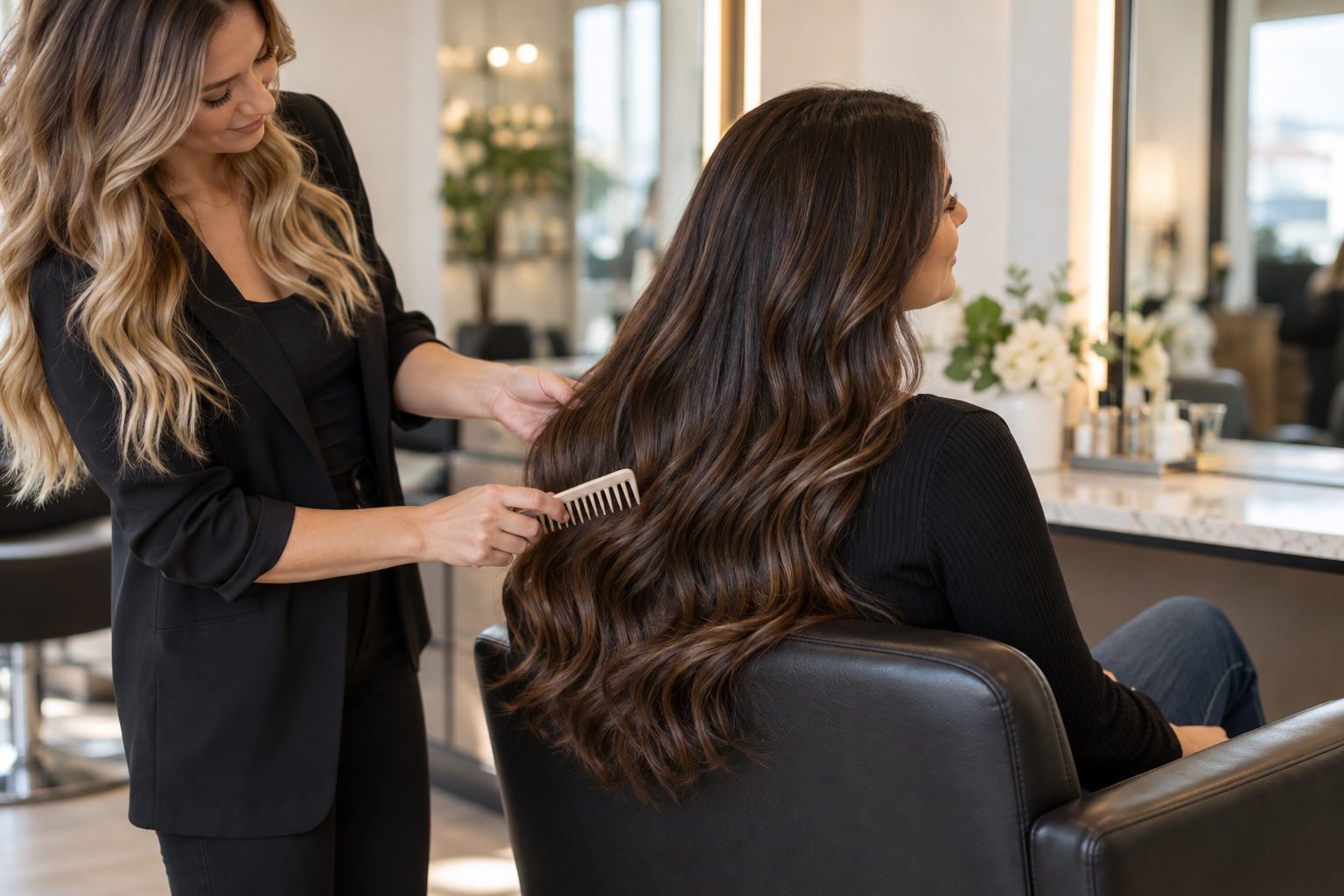
A believable blend often uses more than a single flat color. Natural hair contains highlights, lowlights, warmth, coolness, and subtle variations from roots to ends. Extension color selection should account for that dimension.
The stylist may combine multiple shades or coordinate an extension installation with a professional color service. Extensions can sometimes add ribbons of brightness or depth without applying lightener to every area of the natural hair.
However, both the natural hair and extension hair need a realistic color plan. The American Academy of Dermatology notes that chemical processing can contribute to dryness and brittleness. Lightening, in particular, should be approached according to the current condition of the hair.
Color planning before installation helps avoid unnecessary processing and ensures the extensions support the complete look.
Even perfectly matched extension hair can look disconnected if the natural haircut and added length do not flow together. Short layers, blunt ends, and large differences in length may require strategic shaping.
An extension-focused haircut does not simply shorten the new hair. The stylist may soften weight lines, connect face-framing pieces, and create movement through selected areas while preserving the density the extensions were meant to provide.
The blend should be evaluated from multiple angles and with the hair moving naturally. It should also work with the guest’s preferred part and common styling choices.
This is one reason extension planning often includes color, installation, cutting, and styling as connected decisions rather than separate tasks.
Extensions should not create ongoing pain, headaches, or excessive scalp tension. The American Academy of Dermatology’s extension-care guidance advises having extensions installed professionally and asking for an adjustment if an installation feels painful or too tight.
Repeated pulling can affect the hair and scalp. The AAD also warns that hairstyles that create continuous tension may contribute to traction alopecia. Tenderness, stinging, visible pulling, or persistent discomfort should not be dismissed as something the wearer simply needs to tolerate.
A responsible extension plan prioritizes both the visual result and the natural hair supporting it.
Extension maintenance begins with gentle, consistent habits. Guests should use a brush recommended for their installation and support the attachment area while detangling. Starting at the ends and gradually moving upward can reduce unnecessary pulling.
Product placement matters. Conditioner and treatment masks are generally most useful through the mid-lengths and ends, while attachment areas may require a lighter approach. The precise routine depends on the method, so professional instructions should take priority.
The American Academy of Dermatology’s healthy hair recommendations include gentle handling, appropriate conditioning, and protection from excessive heat. Wet hair is more vulnerable to stretching and breakage, making careful detangling especially important.
Heat styling should be controlled as well. Research available through the National Library of Medicine found that higher-temperature drying can damage the hair’s outer surface. Heat protection and moderate tool settings can help reduce avoidable stress on both natural and extension hair.
Curly and coily textures require attention to curl pattern, moisture needs, shrinkage, and detangling habits. Extension texture should coordinate with how the natural hair is normally worn, not only with how it looks after temporary straightening.
The American Academy of Dermatology recommends moisture-focused care and gentle detangling for curly and coily hair, which can be more vulnerable to dryness and breakage.
Guests who alternate between natural curls and heat-styled looks should explain both routines during the consultation. The stylist can then evaluate whether the extension texture and method can support that flexibility.
A gorgeous installation is only the beginning. Each method has its own adjustment, removal, or replacement process. Delaying maintenance may allow excessive growth, tangling, or uneven tension around attachment points.
Before booking, ask how often professional maintenance is usually needed, how long appointments take, whether the extension hair can be reused, and what signs indicate that an earlier visit is necessary.
Ivanna Richman’s overview of why hair extensions remain so popular highlights their versatility. That versatility is most enjoyable when the upkeep fits comfortably into the wearer’s schedule and beauty routine.
Ensemble Salon provides Bellami hair extension services at its Oregon City salon, including hand-tied, K-tip, I-tip, and tape-in methods. The salon requires a personalized consultation before an extension service so its team can evaluate the natural hair, discuss goals, recommend a method, and explain maintenance expectations.
The best extension transformation does not need to announce how it was created. It should blend with the haircut, coordinate with the color, move naturally, and feel comfortable during everyday life. With the right method, thoughtful placement, and consistent aftercare, extensions can look less like an accessory and more like the hair you imagined having all along.