Barber Shop in Pace, FL: What Actually Belongs on Your Shelf?
A barber shop in Pace, FL can help you answer a surprisingly useful question: which products will make your new cut easy to style tomorrow…

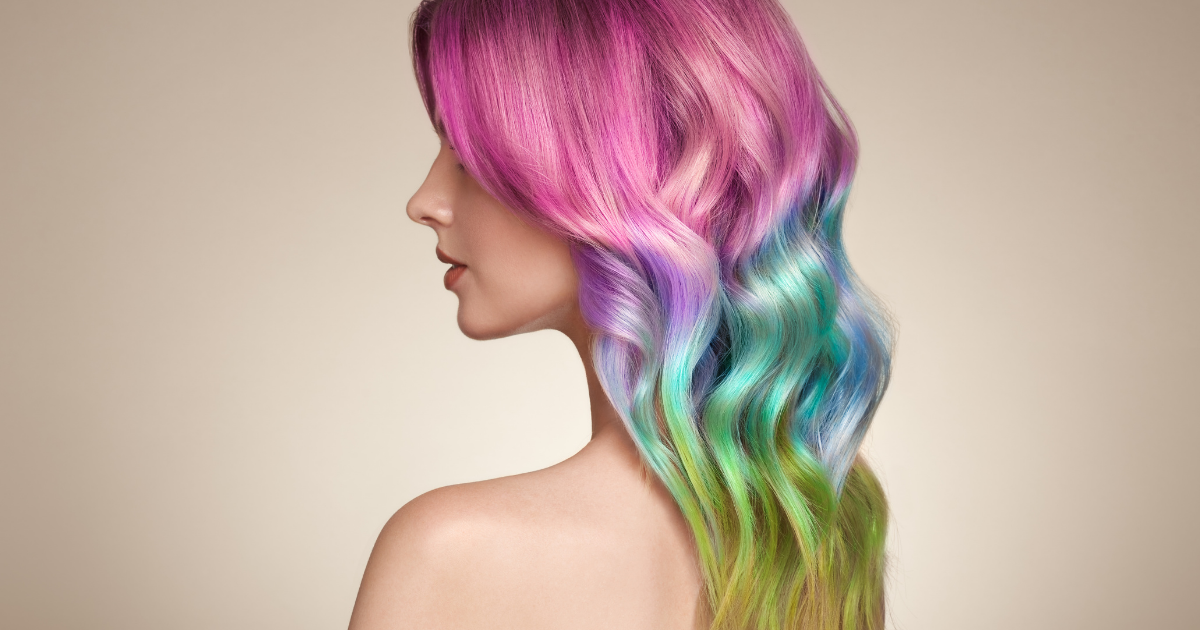
Personalized hair coloring should be designed for the places where you actually live, work, and socialize, because a shade that looks perfect beneath salon lights can appear surprisingly different by a sunny window, in an office, or on a phone screen.
This does not necessarily mean anything went wrong. Color is an experience created by pigment, reflected light, hair texture, surface shine, surrounding colors, and the way our eyes and cameras interpret the scene. Change one of those ingredients and a cool beige may suddenly look warmer, a deep brunette may appear almost black, or subtle highlights may become much more visible.
We see color when light reaches a surface and certain wavelengths are reflected to our eyes. Different light sources have different spectral characteristics, so they do not reveal every color in exactly the same way.
A warm household bulb may emphasize gold, copper, and red. Cooler office lighting can make the same hair appear flatter or ashier. Indirect daylight often gives a more balanced view, although sunrise, sunset, shade, and direct midday sun each create their own effect.
The International Commission on Illumination, the organization that develops standards for light and color, explains that light sources differ in their color-rendering capabilities. In practical beauty terms, there is no single indoor mirror that tells the complete color story.
When assessing a new shade, look at it in:
Metamerism occurs when two samples appear to match under one light source but separate after the lighting changes. The CIE’s explanation of metamerism describes how changing the illuminant or observer can disrupt a color match.
This helps explain a common salon mystery. A colored root, natural middle, and previously lightened ends may look beautifully connected inside, then reveal small differences outdoors. The sections have different pigment histories and may reflect light differently even when their apparent shades are close.
That is why a colorist needs the full history of the hair, not just the desired formula. Previous permanent dye, lightener, vivid pigment, smoothing services, mineral buildup, and sun exposure can all affect the canvas.
A smooth, glossy surface reflects light more evenly. Hair that is rougher or more porous can scatter light, sometimes making the color look duller or less uniform. This is partly why a fresh gloss and blowout can make an existing shade appear richer even without a dramatic change in depth.
A review of hair cosmetics and fiber structure describes the cuticle as the outermost layer of the hair shaft and explains how conditioning ingredients can reduce friction and improve surface feel. Cosmetic shine does not repair living tissue, since the visible fiber is not alive, but surface condition strongly influences appearance and manageability.
Research into the visual perception of hair transparency also shows that professional judgments about brightness and translucency can be connected to measurable optical behavior. In other words, what people casually call “glowy” hair has a real relationship with the way light travels through and reflects from the fibers.
Styling does not change the pigment, but it changes the viewing angle. Straight hair creates longer reflective surfaces and may reveal placement lines more clearly. Waves and curls turn sections in multiple directions, producing alternating highlights and shadows that make dimension look stronger.
This is why the color in a curled inspiration photo may appear more dimensional than the same placement worn smooth. A few bright ribbons can repeat across the curves and look like many more pieces.
Include at least one reference with a texture similar to how you normally wear your hair. If you alternate between straight and curly styles, ask how the placement should behave in both.
A phone does not record a completely neutral version of reality. Automatic white balance, exposure, contrast, portrait effects, high-dynamic-range processing, screen brightness, and social media filters can all influence the image.
Before deciding that a color is too warm or dark based on a selfie, compare the photo with indirect daylight and view it on another screen. For useful progress photos, return to the same location and time of day, keep the styling similar, turn off beauty filters, and include the roots and ends.
Terms such as “old-money blonde,” “expensive brunette,” “cowboy copper,” and “mushroom brown” are visually evocative, but they are not standardized formulas. Two saved photos under the same trend label may have very different depths, placement, and tonal balance.
Instead, describe the components you respond to:
Skin tone can inform the conversation, but it should not become a rigid rule that limits personal style. A useful test is whether the proposed color creates the amount of contrast, softness, or drama you want in the lighting you encounter most.
If a color feels wrong, first identify what is actually bothering you. A gloss can refine tone and shine, but it does not create the same dimensional pattern as highlights. Face-framing brightness changes where attention lands, while a root touch-up addresses new growth or grey coverage. Lowlights can restore depth when the overall effect has become too light.
Useful observations sound like this:
Each statement isolates a different variable, giving the colorist more information than “It looks off.”
Hair color does not simply become a paler version of itself. Some tonal components fade sooner, while porous areas may release or absorb pigment differently. Sun, cleansing frequency, water exposure, heat, and the starting condition of the fiber all influence what becomes visible over time.
The American Academy of Dermatology notes that sun can leave colored or bleached hair faded, dry, rough, and brittle. Hats and other sensible forms of shade can help reduce exposure. The organization also advises that lifting more than three shades generally requires stronger peroxide and can cause more damage, an important consideration when the desired shade is much lighter than the starting point.
A personalized plan should therefore include the future version of the color. Ask which tones are likely to become more noticeable, what kind of refresh may be useful, and how the grow-out will look with your normal part and style.
A beautiful formula is not appropriate if it ignores a history of reactions or an irritated scalp. Share previous burning, swelling, itching, rashes, unexpected breakage, and recent chemical services before color is applied.
The U.S. Food and Drug Administration’s hair-dye guidance recommends following all product cautions, performing the directed patch test every time dye is used, observing processing limits, rinsing well, and never mixing different dye products. Anyone who develops a concerning reaction should seek appropriate medical advice.
A Perfect Hue offers color and highlight services in Las Vegas, Nevada. Its current menu includes root touch-ups, custom glosses, mini, partial, and full highlights, all-over and root-only bleach-and-tone services, grey-blending options, and several vivid-color services.
The salon describes its menu as tailored and non-gendered, with time and pricing affected by hair length, density, service detail, and stylist level. That structure suits real-world color because two guests requesting the same trend name may need very different placement, product amounts, and processing plans.
Before calling a color perfect or disappointing, give it a fair viewing. Check the roots, middle, and ends in indirect daylight. Wear the hair in your usual texture. Look at the front and back. Compare a filter-free photo with the mirror.
The goal is not to make hair look absolutely identical under every bulb, which color science tells us is unrealistic. It is to create a shade and dimensional pattern that remain harmonious across the settings that matter most to you. That is personalization you can actually see in daily life.