Hair Extensions in Schaumburg: Your Best-Hair-Ever Guide
If you have been dreaming about longer layers, fuller ends, or a little more drama in your everyday style, professional hair extensions in Schaumburg, IL…

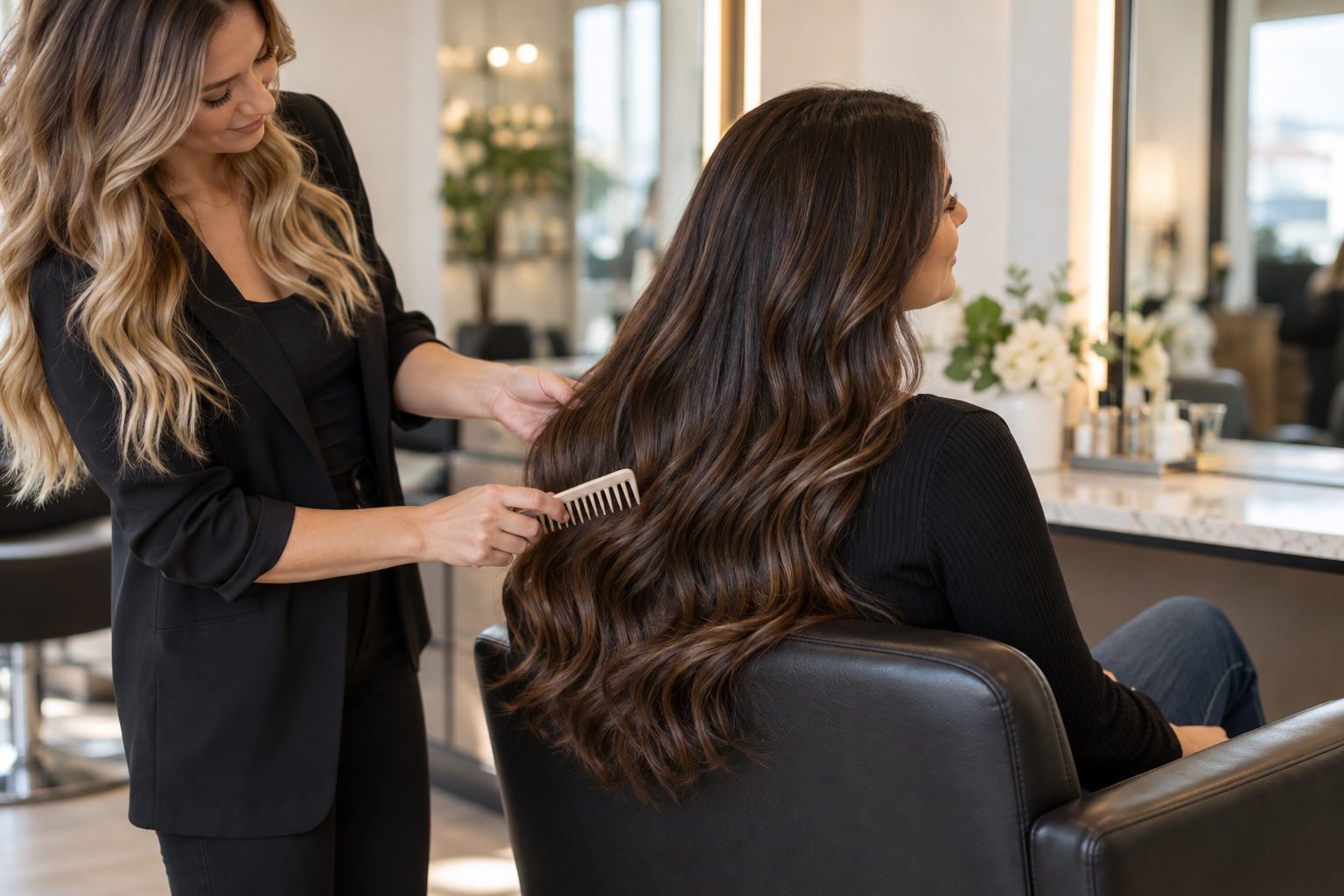
If you have been dreaming about longer layers, fuller ends, or a little more drama in your everyday style, professional hair extensions in Schaumburg, IL can help you create a transformation that still looks completely natural. The secret is not simply adding more hair. Beautiful extensions depend on choosing the right method, matching the color and texture carefully, and creating a maintenance routine that works with your lifestyle.
Hair extensions can add noticeable length, but that is only one reason people love them. They can also fill out fine hair, make braids and updos appear more substantial, or introduce dimension without coloring every section of natural hair. With several installation methods available, the experience can be customized instead of forcing everyone into the same extension system.
Before comparing extension methods, think about the result you want to see in the mirror. Inspiration photos are helpful, but your goal should be more specific than simply asking for “long hair.” Consider whether you want waist-length glamour, discreet fullness through the sides, thicker-looking ends, or extra volume for special-event styling.
Your everyday habits matter just as much as your inspiration pictures. Someone who wears a high ponytail several times a week may need a different placement plan than someone who usually wears loose waves. Exercise, swimming, travel, styling experience, and willingness to attend maintenance appointments should all influence the final recommendation.
A professional consultation gives your stylist an opportunity to evaluate:
This is why consultation-first extension services are such a good sign. The goal should be a customized plan—not a rushed installation based on whichever method happens to be trending online.
Sharon Daniel Salon works with Bellami and So Cap extensions and offers several installation options. Each method has its own strengths, maintenance needs, and ideal wearer.
K-tip extensions use small keratin-tipped strands that are attached to sections of natural hair with heat. Because the individual bonds can be placed strategically, they can create movement and a highly blended appearance. They may suit someone looking for a semi-permanent transformation with flexible styling possibilities.
Individual bonds require mindful brushing and product placement. Oils and conditioners generally belong on the mid-lengths and ends rather than directly on attachment points, unless a stylist recommends otherwise.
I-tip extensions also use individual strands, but their attachment and maintenance experience differs from that of other methods. Their discreet placement can create natural movement, and the hair may be reusable when its condition and the specific system allow.
This method can appeal to guests who want strand-by-strand customization. However, suitability depends on natural hair density, scalp comfort, desired volume, and the stylist’s professional assessment.
Sew-in extensions attach extension hair to a secure foundation created with the natural hair. They can provide significant fullness and accommodate different textures and style goals. Placement is essential because the finished result should feel balanced and comfortable rather than unnecessarily heavy.
A properly planned sew-in also considers how the wearer parts and styles the hair. Discussing favorite hairstyles before installation helps the stylist create a layout that is practical beyond the salon chair.
Tape-ins use thin adhesive sections that sit relatively flat against the head. Their slim profile can produce a smooth blend, especially when the color and placement are carefully planned. They are popular with people who want an efficient installation and a result that does not feel bulky.
Because oils and certain products can interfere with adhesive, tape-in wearers need to be precise about where conditioners, serums, and masks are applied. Maintenance appointments are also important as natural hair grows.
Clip-ins are the commitment-friendly choice. They can be added for a celebration, photoshoot, bridal style, or any day when your hair needs extra impact. Since they are removable, they do not require the same ongoing salon schedule as permanent or semi-permanent methods.
They still need proper color matching, blending, and placement. Removing clip-ins before sleeping, showering, or swimming helps protect both the extensions and natural hair.
The most believable extensions rarely match just one flat color. Natural hair usually contains highlights, lowlights, warmth, coolness, and subtle variations from roots to ends. A stylist may combine extension shades or place different tones strategically to recreate that dimension.
Texture matters too. Extensions should support the movement of your natural hair and the finish you want to wear most often. If your daily look is soft and dimensional, the blend should remain convincing without requiring an elaborate styling session every morning.
A finishing haircut can be the detail that brings everything together. Carefully shaped layers remove an obvious line between shorter natural hair and added length, allowing the entire style to move as one.
Extensions will add some weight, and a new installation may initially feel unfamiliar. They should not, however, cause persistent pain, intense pulling, headaches, sores, or excessive scalp tension.
The American Academy of Dermatology warns that tightly installed extensions can contribute to breakage and traction alopecia. It recommends working with a professional and speaking up when a style feels painful or excessively tight.
Do not treat discomfort as something you simply have to tolerate for beauty. Contact your stylist if attachment points feel painful, appear unusually visible, or begin slipping or tangling. Addressing a concern early is much easier than waiting for it to become a larger problem.
Extension hair does not receive the same natural oils as hair growing from the scalp, so it needs deliberate care. The right routine protects softness, shine, and manageability while reducing unnecessary stress near the attachments.
Bellami’s official extension care guidance also recommends gentle daily brushing, regular conditioning, heat protection, extension-safe products, and keeping up with professional assessments. Your stylist’s instructions should take priority because care details can vary by installation method.
Natural hair continues growing after extensions are installed. Over time, attachment points move farther from the scalp, and naturally shed strands may remain caught within the installation. Scheduled maintenance allows a stylist to check the attachments, manage new growth, remove trapped shedding, and determine whether the extensions should be moved up, replaced, or professionally removed.
Waiting until the hair becomes uncomfortable or severely tangled can make maintenance more difficult. The ideal schedule varies by method, growth rate, home care, and the condition of both the natural and extension hair. Ask for a personalized timeline during the consultation and reserve future appointments accordingly.
Swimming, workouts, vacations, and changing seasons do not have to ruin extensions, but they may require a little planning. Secure the hair before exercise, detangle it afterward, and dry the roots and attachments thoroughly. Before swimming, ask your stylist how to protect your particular extension type from salt water, chlorine, and tangling.
Product buildup can make extension hair look dull or feel heavy. More oil is not always the answer. If the hair starts behaving differently, check with your stylist before experimenting with strong clarifying products, protein treatments, or at-home color.
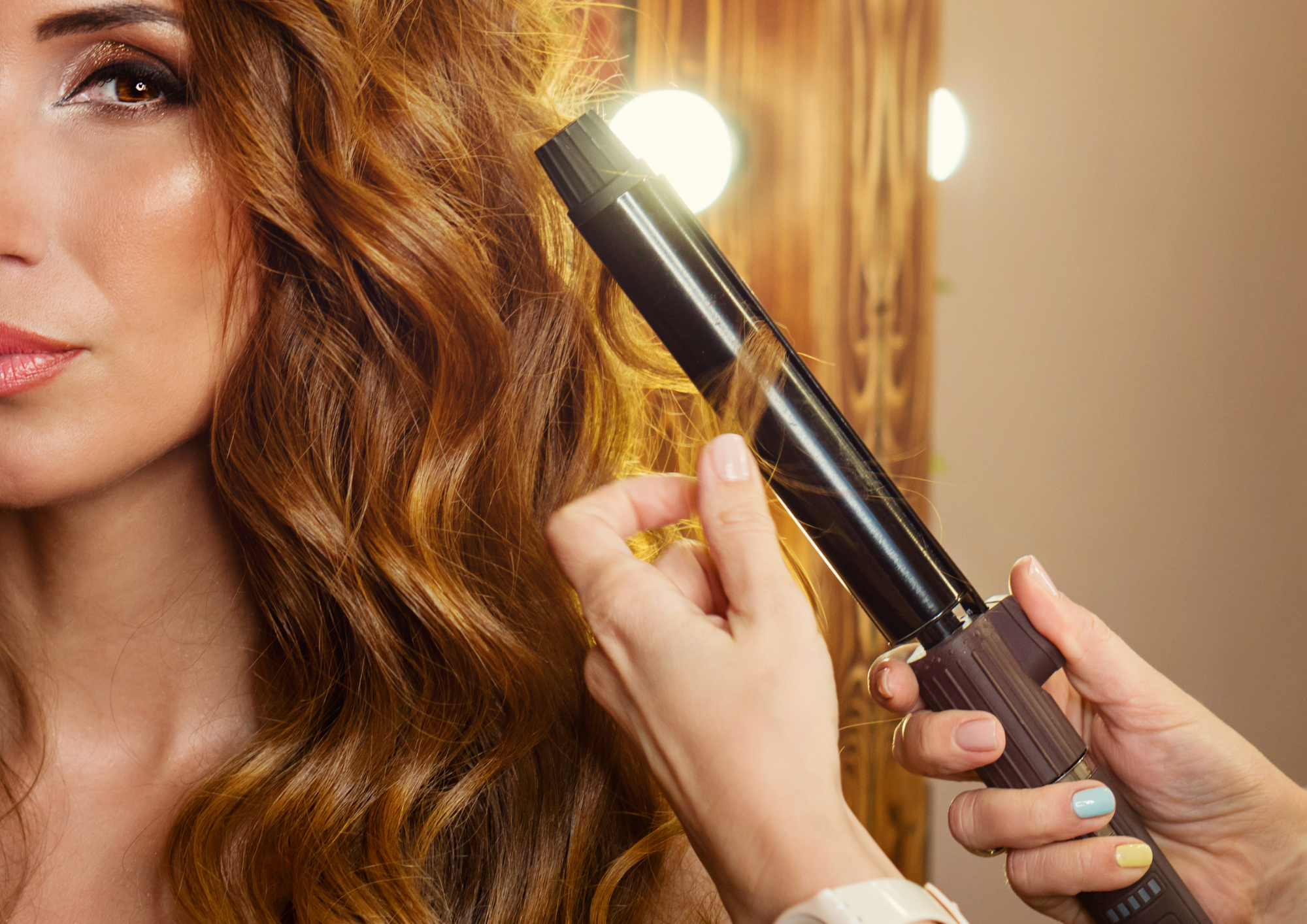
It is also smart to be realistic about hot tools. Extensions can hold a curl beautifully, so there may be no need to restyle them at a high temperature every day. Lower heat, protective products, and heat-free styling methods can help preserve their appearance.
A productive consultation should leave you feeling informed rather than overwhelmed. Bring inspiration photos and ask practical questions such as:
The answers will help you choose a method based on your real life rather than appearance alone.
The best extension transformations do not announce where the added hair begins. They create balanced length, flattering fullness, and movement that complements the wearer. Achieving that result requires more than buying beautiful hair; it depends on an experienced consultation, careful placement, precise color matching, a blending haircut, and consistent aftercare.
Whether you want subtle volume or a major length transformation, approach extensions as a personalized salon service. Choose the method that respects your natural hair, commit to the recommended maintenance, and communicate with your stylist whenever something feels different. With the right plan, extensions can become a versatile and confidence-boosting part of your beauty routine.