The Seven-Day Test for a Truly Great Haircut
The Seven-Day Test for a Truly Great Haircut The best personalized haircuts and styling should make sense after the salon blowout is gone, the hair…

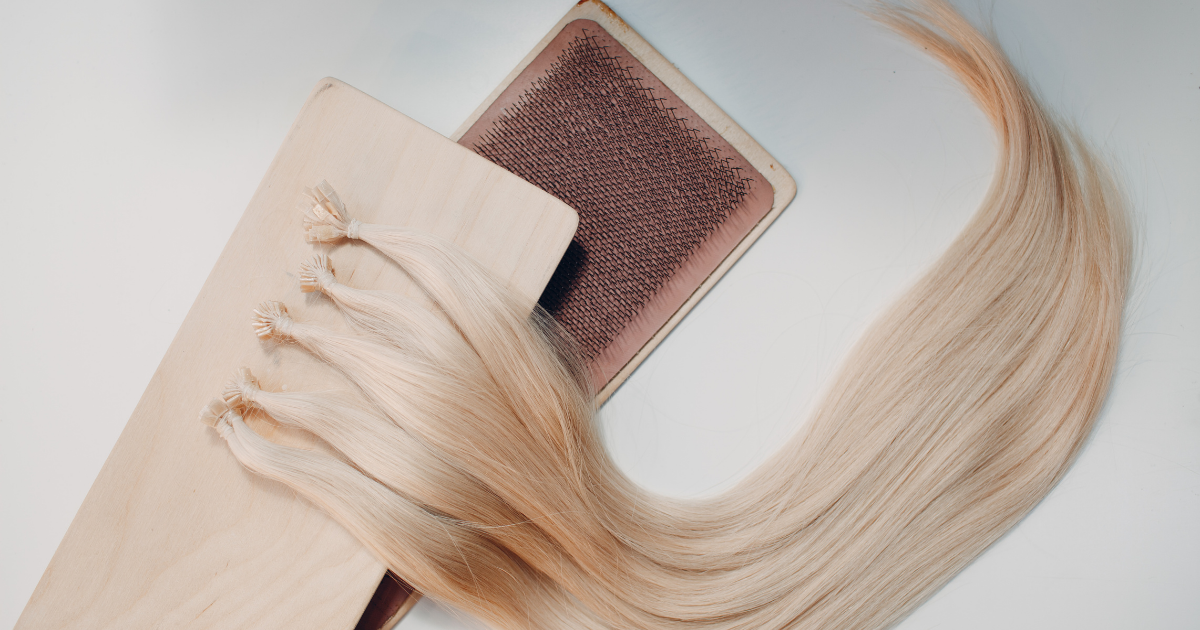
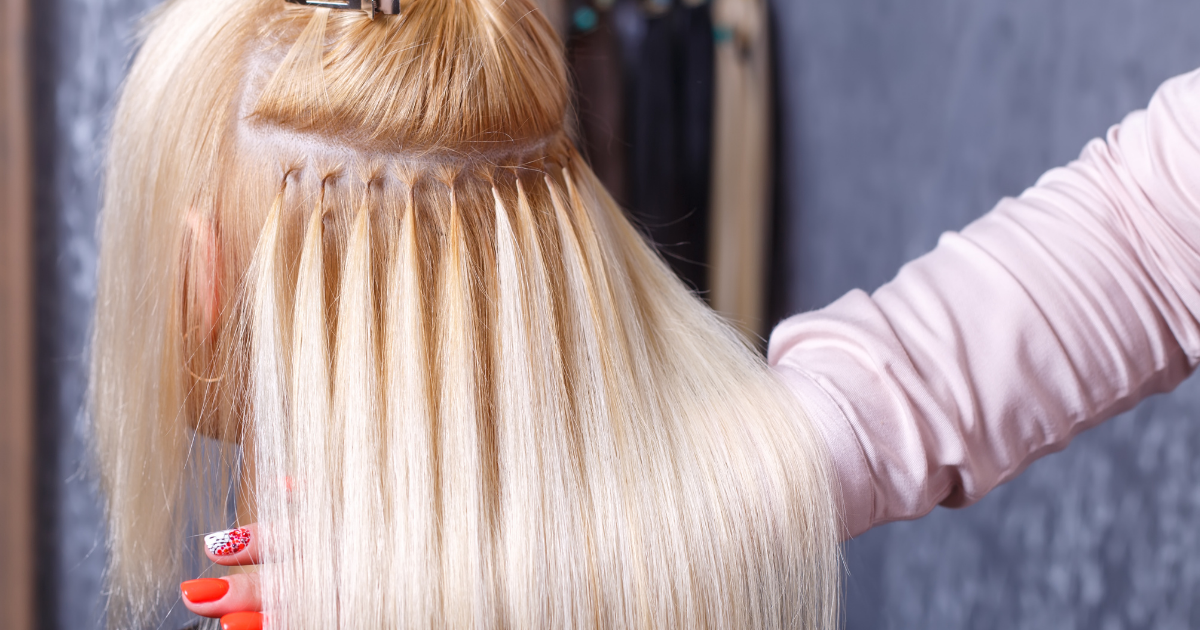
A thoughtful hair extension installation should look convincing in motion, feel comfortable against the scalp, and fit the way its wearer actually washes, styles, and lives with her hair.
The reveal photo matters, of course. Who does not love a glossy curtain of fresh length? Still, the best extension result cannot be judged from the back of the head in perfect salon lighting. It also has to pass the ponytail test, the windy-day test, the rushed-morning test, and the close-up test when someone sees the hair from the side.
That is why I think of extensions less as a single beauty service and more as a customized wardrobe piece. The color, weight, attachment, placement, cut, and care routine all need to work together. When one element is off, even expensive hair can look or feel disappointing.
It is tempting to choose extensions after watching a dramatic transformation video or hearing that one method is the newest option. A better starting point is the desired result.
Someone seeking fullness around the sides may need a different plan from someone wanting waist-length hair. Fine, fragile hair presents different placement considerations than dense hair. A guest who wears a high ponytail most days may prioritize flexibility, while someone who usually wears a smooth bob may care most about concealing attachment points.
Before discussing methods, clarify:
A professional consultation should turn those answers into a plan rather than force every guest into the same popular method.
Hair rarely consists of one flat color. Natural roots, sun exposure, highlights, lowlights, gray strands, and porous ends create variation from scalp to tip. Matching only the darkest or lightest section can produce an obvious line between natural hair and added hair.
A believable blend may combine neighboring shades or use extensions with dimensional color already built in. The stylist also needs to check the match in more than one type of light. Warm indoor lighting can disguise a tonal mismatch that becomes obvious near a window.
Two strands can share the same shade yet reflect light differently because one is smooth and the other is wavy, coarse, or highly porous. Texture affects shine, movement, and how color is perceived. A strong match considers both the visible tone and the surface character of the hair.
If color work is needed before or after installation, the sequence should be planned carefully. Guests should disclose previous lightening, permanent color, relaxers, smoothing services, and at-home products so the stylist can evaluate the natural hair accurately.
More hair is not always the answer. Adding excessive length or density to a delicate perimeter can make the contrast more visible and increase weight. Too little hair, meanwhile, can create transparent ends that never quite merge with the natural cut.
A convincing result balances the amount of extension hair with the guest’s existing density. Placement should preserve enough natural hair to conceal connections without overloading small sections. The shortest natural layers must also transition into the added length.
This is where the finishing haircut earns its place. Cutting extensions is not simply trimming the bottom into a straight line. The stylist may need to create internal softness, shape around the face, or remove bulk so natural and added hair move as one design.
A mirror check is useful, but a few simple movements reveal much more. I would evaluate a fresh result with four practical tests.
Comfort is not a minor luxury. The American Academy of Dermatology advises that pain or a headache can indicate excessive tightness. A new sensation from added weight may require adjustment, but sharp pain, persistent pulling, or scalp irritation should not be ignored.
Extensions place additional forces on natural hair. Those forces should be distributed appropriately for the hair’s strength and density. Repeated tension can contribute to traction alopecia, a form of hair loss associated with prolonged pulling.
The AAD’s guidance on traction alopecia identifies warning signs such as pain, stinging, crusting, broken hairs around the forehead, and a receding hairline. DermNet also lists itching, redness, scaling, folliculitis, breakage, and thinning among possible features.
Extensions are a cosmetic service, not a treatment for unexplained hair loss. Anyone noticing active shedding, bald patches, scalp sores, or sudden thinning should consider a medical evaluation before adding weight or tension. A stylist can observe visible concerns, but a dermatologist diagnoses hair and scalp disorders.
A gorgeous installation still needs to be washable. Placement should allow the guest to cleanse the scalp, rinse thoroughly, and dry around attachment areas according to the stylist’s instructions.
The exact routine depends on the extension system, natural texture, oil production, and products used. General habits that support manageability include:
The AAD’s healthy-hair guidance recommends choosing care based on hair type, applying shampoo primarily to the scalp, using conditioner, and handling wet hair gently. Extension wearers need to adapt those principles without neglecting either their natural hair or the added strands.
Extensions do not receive fresh oils from the scalp in the same way growing hair does. Frequent high heat can leave the added lengths dry and make the texture harder to blend with natural hair.
The American Academy of Dermatology’s styling guidance recommends limiting blow-drying and using flat irons on dry hair at low or medium heat. A published microscopy study of hair-dryer damage also found more surface damage as temperature increased.
Guests should ask where heat can safely be applied, which temperature range is appropriate, and whether tools must be kept away from tapes, bonds, or other connections. Following method-specific guidance matters more than relying on one universal rule.
Shampoo, conditioner, styling products, adhesives, removers, and color services can all contact the hair or scalp during the extension journey. Anyone with known fragrance, adhesive, or cosmetic sensitivities should disclose them before service.
The U.S. Food and Drug Administration’s information on cosmetic allergens explains that reactions may include redness, swelling, itching, or rash. Stop using a suspected product and seek appropriate medical advice if a significant reaction develops.
Nikkole Michaels Salon & Spa in Spring Hill, Florida, currently lists tape-in, I-tip, beaded, sew-in, fusion, feed-in, invisible-weft, and Halo Couture extensions. Its published brand selection includes Halo Couture, Dream Catchers, Cinderella Hair, Babe, and Great Lengths.
The salon states that extension services require a consultation before installation. Pricing is also determined through consultation because the plan can vary with the hair’s length and condition, the selected method, and the stylist’s level.
That variety is most useful when it supports customization. The question is not which method sounds most luxurious in isolation. It is which option can deliver the desired result while respecting the natural hair, preferred styles, maintenance routine, and comfort.
Beautiful extensions should not require perfect lighting or a professional blowout to make sense. They should blend when the hair moves, remain discreet in common styles, and feel manageable during washing and drying.
Before committing, ask how the chosen method will affect ponytails, exercise, sleep, swimming, heat styling, removal, and future color services. Request a clear maintenance schedule and learn which changes should be reported promptly.
The most successful extension transformation is not simply the longest or fullest one. It is the result that looks like it belongs, feels comfortable, and fits naturally into everyday life.