The Seven-Day Test for a Truly Great Haircut
The Seven-Day Test for a Truly Great Haircut The best personalized haircuts and styling should make sense after the salon blowout is gone, the hair…

The best personalized haircuts and styling should make sense after the salon blowout is gone, the hair has been washed at home, and real life has introduced humidity, sleep, exercise, and limited styling time.
A polished finish can make almost any fresh cut look exciting for an afternoon. The more revealing test begins later. Does the shape return after washing? Do the layers work with natural movement? Can the fringe be managed on a busy morning? Does the style still look intentional when it is pulled back?
That is why I like to judge a haircut across an entire week rather than by the reveal photo alone. A great cut is not merely attractive under ideal conditions. It gives the wearer several realistic ways to look put together.
A useful consultation should begin with the routine a client will actually follow, not the one she imagines adopting after a dramatic transformation.
Someone who air-dries most mornings needs a different shape from someone comfortable using a round brush and dryer. A person who exercises daily may care about secure ponytail length. Another may want a cut that works with glasses, headphones, a uniform, or frequent travel.
Before cutting begins, discuss:
In my view, “low maintenance” is not a specific haircut. It is a match between the cut, the hair’s behavior, and the wearer’s routine.
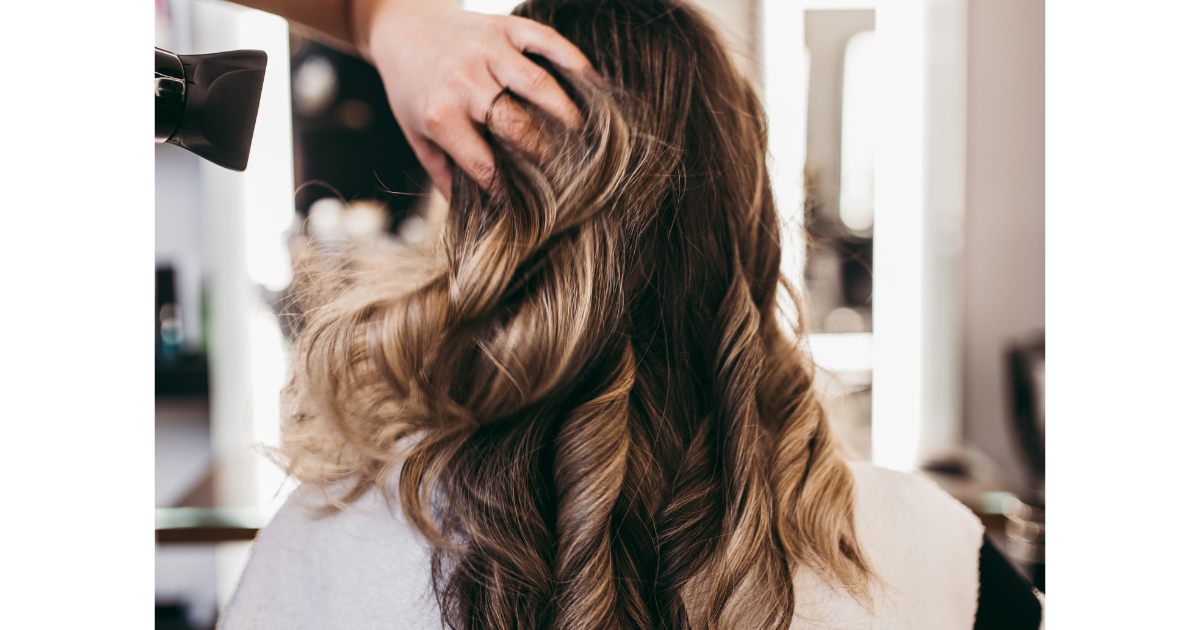
The finished blowout demonstrates one styling option, but it should also teach the client how the shape was created. Ask which direction to dry the front, where to place volume, and whether the ends need a brush, diffuser, or iron.
A useful mini-lesson includes:
The goal is not to recreate every professional movement perfectly. It is to understand what the cut needs in order to work.
The first at-home wash reveals whether the haircut cooperates with the natural texture. Cowlicks return, curl patterns re-form, and areas of density settle into their usual positions.
Handle wet hair according to its texture and condition. The American Academy of Dermatology’s healthy-hair guidance recommends shampooing the scalp, conditioning after washing, and detangling gently. It notes that straight hair can be allowed to dry slightly before combing, while tightly curled or textured hair may be easier to comb while damp.
This is a good moment to notice what the cut does without force. If the ends flip, the crown separates, or a curl springs much shorter than expected, record it. A photo in ordinary lighting can help during the next salon conversation.
Even people who love a smooth blowout occasionally skip it. An air-dry test shows whether the shape has a casual mode.
This does not mean every cut will air-dry into its most polished form. Some designs intentionally require styling. The point is to understand the difference between what the cut does naturally and what the chosen finish requires.
The AAD’s guidance on preventing hair damage suggests wrapping hair to absorb water rather than rubbing it vigorously and allowing it to air-dry when possible. Gentle handling can help reduce unnecessary friction and breakage.
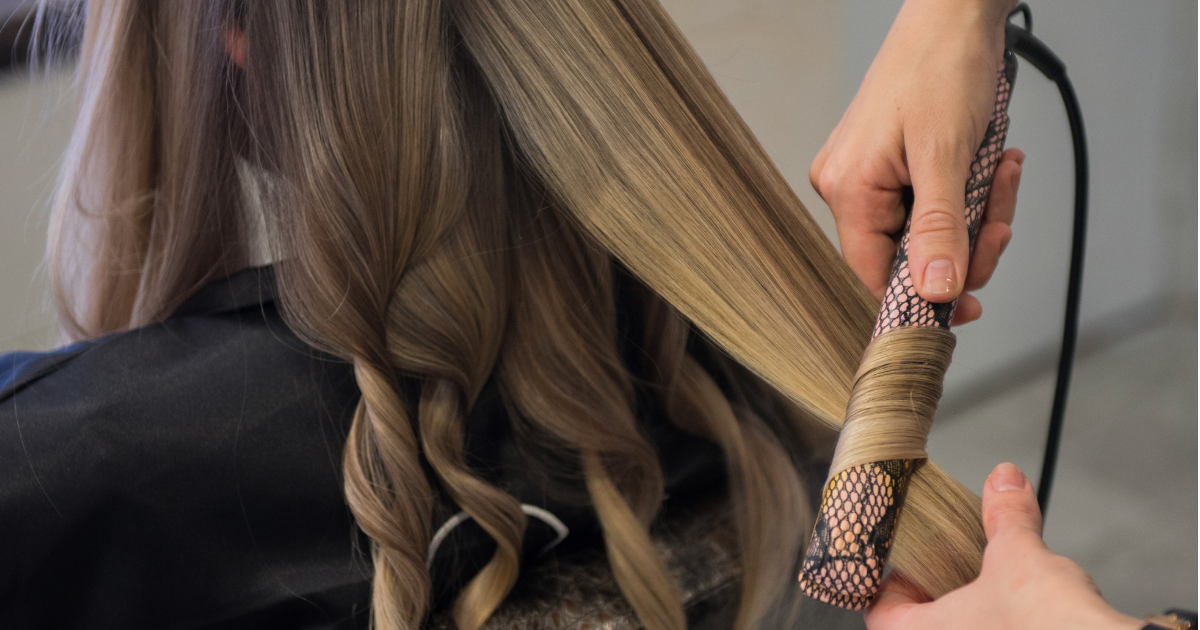
A curling iron or flat iron can add polish, but a haircut that requires intense daily heat may not fit someone seeking simplicity or trying to reduce damage.
The American Academy of Dermatology recommends using flat irons on dry hair at low or medium heat and limiting blow-drying when possible. A published microscopy study of hair-dryer exposure found increasing surface damage at higher temperatures.
Practical heat habits include:
A stylist can explain whether the intended shape depends on bend at the ends, root lift, curl definition, or simply controlled drying. That knowledge makes heat use more targeted.
Many haircut decisions are made with the hair down, even though real life often involves clips, buns, or ponytails. Test the style that is used for work, exercise, cooking, or childcare.
Face-framing pieces may be beautiful but too short to secure. Heavy layers can change how a ponytail feels. A fringe may need its own plan on non-wash days.
Keep tension in mind. The AAD’s information about traction alopecia explains that frequently wearing tightly pulled styles can stress hair and contribute to hair loss. A practical haircut should offer options that do not require constant pulling to feel controlled.
Humidity, wind, rain, and dry indoor air can expose the difference between a style that photographs well and one that adapts. The right response is not always to fight natural expansion or movement with more product.
Observe where the hair changes first. A fringe may separate, fine hair may lose volume, curls may expand, or damaged ends may become more visible. These patterns can guide future decisions about length, layering, product weight, and finishing technique.
Product reactions matter as well. Anyone who develops persistent redness, swelling, itching, or rash should stop using the suspected product and seek appropriate advice. The U.S. Food and Drug Administration’s cosmetic-allergen guidance explains that fragrances, preservatives, dyes, and other ingredients can trigger allergic reactions in some users.
By the end of a week, a good haircut should have more than one successful version. It might be smooth and polished, naturally textured, softly waved, clipped back, or gathered into an easy ponytail.
Use this review:
This is far more useful than deciding only that the haircut was “good” or “bad.” Specific feedback helps a stylist preserve what worked and adjust what did not.
Split, weathered, or broken ends can blur the outline of a cut. Product buildup can flatten movement, while aggressive detangling can create new breakage around delicate areas.
The Centers for Disease Control and Prevention’s hair and scalp hygiene guidance emphasizes regular cleansing and notes that individual needs vary with hair type and activity. A workable routine should keep the scalp clean without asking the hair to tolerate unnecessary friction or heat.
Visible flaking, sores, sudden shedding, or patchy hair loss may need medical evaluation. A stylist can adapt a cut around current density, but a dermatologist is the appropriate professional to diagnose hair or scalp disease.
Salon 124 serves guests through locations in Grayson, Sugarloaf, Hamilton Mill, Monroe, and Suwanee, Georgia. Its published haircut service includes a one-on-one consultation, shampoo, and blow-dry.
The salon states that its stylists consider features, personal style, daily styling time, and product use when creating a signature look. Its service menu also includes professional blow-dries and special-occasion styling, giving guests options for both everyday maintenance and event-focused finishes.
This consultation approach supports the seven-day test because a wearable result starts with honest information. The stylist needs to know not only which look is appealing, but how much work the client wants that look to require.
The real measure of a haircut is not whether it holds one perfect style. It is whether the shape supports the wearer through clean hair, second-day hair, natural texture, weather changes, and realistic mornings.
Bring reference photos, but also bring details about routine, tools, products, and common up-styles. Then pay attention during the first week. The best feedback is not “make it exactly the same” or “do something different.” It is a clear description of how the cut behaved in real life.
That information turns each salon visit into a more informed collaboration and helps the haircut become increasingly personal over time.