The Beauty Editor’s Reality Check for Deep Conditioning
The Beauty Editor’s Reality Check for Deep Conditioning A deep conditioning treatment is most useful when it is matched to a specific hair problem, whether…

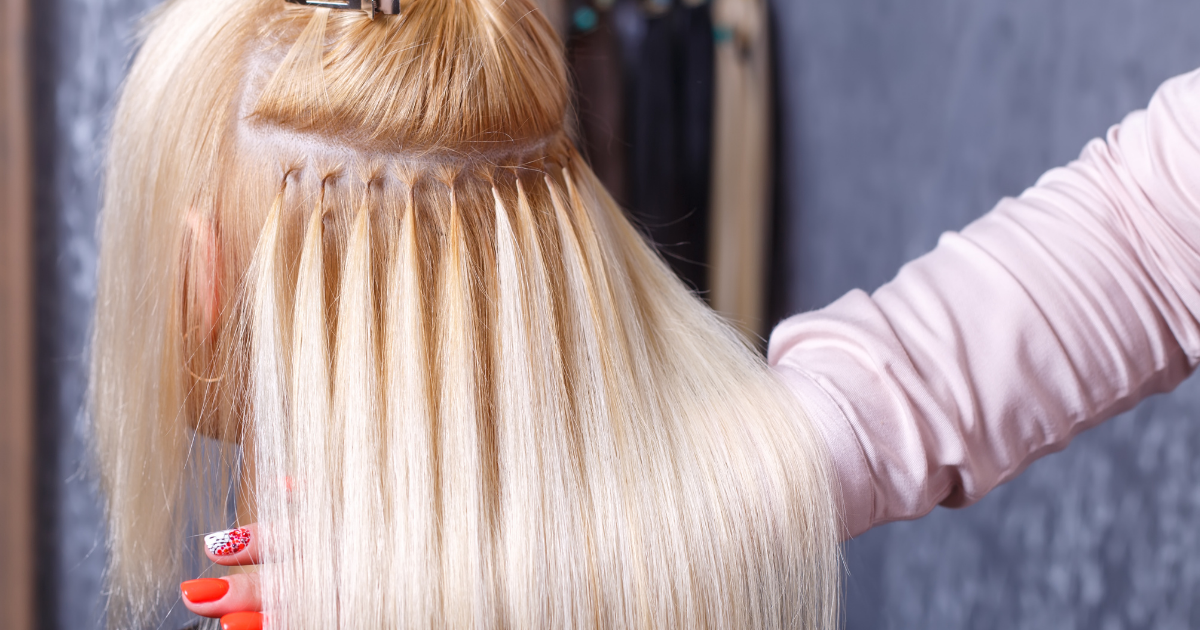
The best blonde hair coloring starts with a surprisingly specific question: what do you want people to notice first?
Maybe it is a luminous face frame, soft ribbons through a brunette base, a bright blonde impression from every angle, or a creamy finish with no icy filter required. “Blonde” alone does not communicate any of that. It describes a broad color family, not a finished design.
The easiest approach is to break the inspiration into five decisions: brightness, placement, contrast, tone, and upkeep. Once those are clear, service names make more sense.
Brightness is the overall amount of lightness the eye perceives. It is influenced by the percentage of hair lightened, the size and location of those pieces, the depth left between them, and how light the strands can safely become.
Someone can have pale highlights and still read as brunette if plenty of dark hair remains. Warmer highlights may appear blonder when they are distributed throughout the head.
Try choosing one of these plain-language goals:
This vocabulary is more useful than requesting “a lot of highlights,” because it describes the visual destination rather than guessing at the technique.
Not all light pieces contribute equally. Brightness near the hairline and part is seen immediately. Lightness through the back and underneath becomes more noticeable in movement, updos, braids, and layered cuts.
Foil placement can produce fine diffusion, medium ribbons, or bolder sections. A mini service may refresh selected areas, while partial coverage concentrates on the most visible zones. Full coverage distributes lightness more broadly for an all-over blonde effect.
Balayage describes hand-painted approaches rather than one universal look. It can be soft or dramatic depending on section size, saturation, placement, starting color, and any combined techniques.
Scalp lightening creates a more continuous blonde result at the root than separated highlights. It is a different commitment, both visually and practically. New growth produces a clearer line, so retouch timing and careful management of previously lightened hair become central to the plan.
Here is the plot twist: more blonde does not always look brighter. Preserving depth beside selected pieces can create the stronger effect.
Contrast can come from the natural base, lowlights, interior shadow, or a deeper root. High contrast creates visible ribbons; low contrast creates a softer veil. The best choice depends on taste and how the haircut moves.
Before the service, decide whether you want:
These preferences influence the color more than a trendy name copied from social media.
Golden, honey, beige, neutral, champagne, pearl, and icy are tonal descriptions. They tell the stylist how you want the lifted hair refined, but tone cannot compensate for insufficient lightness or unsuitable placement.
Hair exposes underlying warmth as natural pigment is altered. The American Chemical Society’s explanation of blonde hair chemistry describes how hydrogen peroxide changes pigment and affects the hair surface. A toner or gloss can adjust the appearance of exposed warmth, but it cannot safely turn every starting color into the palest blonde in one session.
Warmth is not synonymous with brassiness. Deliberate gold can look glossy and flattering. Bringing examples of warm blondes you like and dislike helps clarify the difference.
A reference image shows the destination, not the history behind it. Natural hair, old highlights, permanent color, box dye, henna, vivid pigment, and previous lightener can respond differently.
The American Academy of Dermatology notes that lightening hair more than three shades generally requires stronger peroxide and can cause more damage. This helps explain why a dramatic dark-to-light change may require multiple sessions or a more conservative first goal.
Research also shows that cosmetic processing can alter the hair shaft. A scanning electron microscopy study indexed by the National Library of Medicine observed greater cuticle damage in treated hair samples. That does not mean blonding should be avoided. It means condition, overlap, processing history, and at-home habits belong in the decision.
Be specific about:
If the history is complicated or the desired jump is large, a strand test may reveal how the hair responds before a full transformation begins.
A service menu is easier to read when you stop treating it as a ladder from “small” to “best.” Each option performs a different job.
Gibson Hair & Makeup in Charleston currently organizes its blonding menu around these distinctions. Its published offerings include mini, partial, and full highlights or balayage, double-process blonde, and blonde transformations. Gloss or toner is included with its partial, full, and double-process blonding descriptions.
That range allows the technique and service scope to follow the goal. A face-framing refresh and a major dark-to-blonde change should not be forced into the same booking category.
Save inspiration, but look beyond the caption. Lighting, filters, extensions, curls, and camera exposure can all change how blonde appears. Review each image using the same questions:
One useful trick is to bring a “yes” photo and a “not this” photo. The contrast can expose preferences that are difficult to name.
Maintenance has three separate clocks. New growth changes the placement at the root. Toner gradually shifts as the finish fades. The lightened lengths experience ongoing wear from washing, heat, sun, and styling. Those clocks do not always require the same response.
A gloss refresh may address tone without adding more lightener. A small face-frame service may restore visible brightness between larger services. In other cases, the smartest move is simply conditioning, trimming, and allowing the hair more time before further lightening.
The AAD’s healthy-hair guidance recommends conditioning after washing, handling wet hair gently, and limiting excessive heat. The Cleveland Clinic’s sun-damage advice also notes that ultraviolet exposure can dry hair, weaken its structure, and fade color.
A practical blonde routine includes:
If you color or tone at home, follow the product directions. The U.S. Food and Drug Administration advises performing the recommended skin test each time, observing processing limits, rinsing thoroughly, and never mixing different dye products.
The clearest request is not “make me blonde.” It sounds more like this: “I want to read as dimensional blonde, keep a little depth at the root, see brighter pieces around my face, avoid a solid finish, and maintain the color on a realistic schedule.”
That brief gives a stylist something useful to design. When brightness, placement, contrast, tone, condition, and upkeep are discussed separately, blonde stops being a vague shade request and becomes a personalized plan.