The Beauty Editor’s Reality Check for Deep Conditioning
The Beauty Editor’s Reality Check for Deep Conditioning A deep conditioning treatment is most useful when it is matched to a specific hair problem, whether…

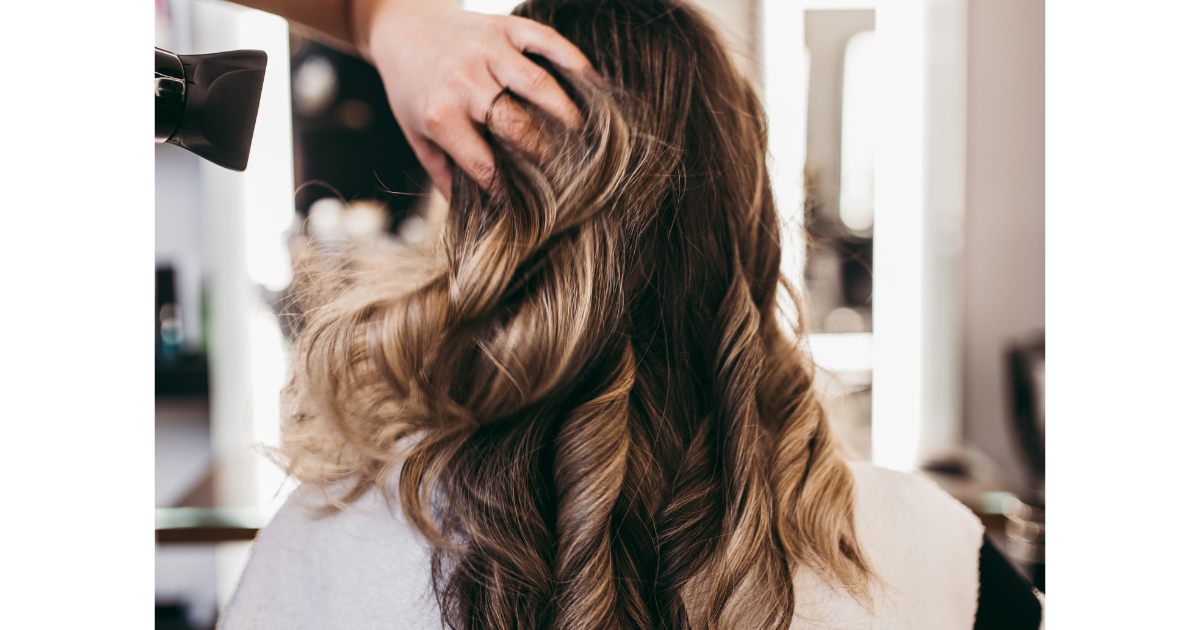
Great personalized haircuts and styling should survive more than the salon mirror; the shape should still make sense after an air-dry day, a rushed morning, a part change, and several weeks of growth.
It is easy to judge a haircut by its most polished moment. Professional blow-drying, brushwork, products, and directed heat can make almost any shape look impressive for an afternoon. The better question is whether the cut supports the way you really wear your hair.
A useful consultation goes beyond “How much would you like taken off?” It considers texture, density, growth patterns, styling habits, climate, and how frequently you want reshaping. Think of it as a compatibility test between a haircut and daily life.
A beautiful finish shows what the hair can do. It does not always show what the cut will do with your usual routine. Before committing to a reference photo, mentally remove the round-brush volume, curling iron bends, root spray, and smoothing serum. What remains is the underlying silhouette.
Look closely at four structural details:
Instead of requesting a celebrity’s entire look, identify the elements you want to borrow and discuss whether they translate to your hair.
Hair is rarely uniform across the head. Density may be greater at the back than at the temples. One side may flip while the other lies flat. A crown cowlick can split short layers, and a strong front growth pattern can decide whether fringe falls forward or separates.
These are design information, not flaws. A stylist can use them to preserve weight, create movement, and judge whether a length will sit neatly or fight its natural direction.
For wavy, curly, and coily hair, the difference between wet length and dry length can be substantial. Curl patterns may also vary from the hairline to the crown and nape. The American Academy of Dermatology’s curly-hair guidance notes that these textures are especially prone to dryness and breakage, making gentle detangling and moisture-conscious care important.
If you normally wear your texture natural, arrive with it visible whenever the salon’s preparation guidance allows. That gives the stylist a clearer view of curl groupings, shrinkage, flatter areas, and the pieces that frame your face.
Fine hair describes the diameter of each strand; it does not necessarily mean there is very little hair. Likewise, thick strands do not guarantee high density. This distinction matters because aggressive layering or texturizing can create lightness in dense hair but make lower-density areas look sparse.
A thoughtful plan treats the head as a map. It can preserve fullness where needed while removing bulk only where it improves balance and movement.
Before choosing a cut, picture it in the three versions of your routine that matter most. This is the simplest way to spot a mismatch before scissors come out.
If a style works only in the third category, be honest about whether that effort fits your week. High maintenance is not inherently bad; it becomes frustrating when its requirements are discovered after the cut.
A photo cannot show how a cut behaves under a winter coat, after exercise, in humidity, or when tucked behind glasses. Those small interactions often decide whether a style feels easy.
Tell your stylist if you routinely:
Sun exposure can affect both the appearance and feel of the hair. Cleveland Clinic’s overview of sun-related hair damage explains that ultraviolet exposure can contribute to dryness, brittleness, frizz, split ends, and color changes. For someone who spends weekends outdoors, a cut that looks good with a hat and requires little corrective heat may be more practical than one built around a pristine blowout.
The best take-home lesson is a short sequence you can remember. Ask the stylist to explain where each product goes, how much to use, which direction to dry the roots, and what signals that the hair is ready for the next step.
A simple routine might be:
The American Academy of Dermatology recommends choosing care according to hair type, concentrating shampoo on the scalp, using conditioner, handling wet hair gently, and using lower heat when possible. Those basics matter more than owning a crowded shelf.
Heat technique matters too. A laboratory study published in the Annals of Dermatology found that surface damage increased as dryer temperature rose, while greater distance reduced damage under the conditions tested. The practical takeaway is modest: avoid holding intense heat against one spot, keep the dryer moving, and use the gentlest effective setting.
Every cut is temporary, but some lose their intention faster than others. Short, sharply defined outlines may need frequent refinement. Longer layers often change more gradually, although ends can become thin or uneven. Fringe may require maintenance sooner than the rest of the style.
Ask what the cut is likely to look like in four, eight, and twelve weeks. If you prefer longer gaps between salon visits, your stylist may recommend a softer outline, a longer fringe, or layers that settle gracefully as they grow.
Also notice whether your routine depends on pulling the hair tightly to control awkward stages. The American Academy of Dermatology warns that repeatedly tight hairstyles can cause breakage and traction alopecia. A compatible cut should give you comfortable options without requiring constant tension at the hairline.
A strategic shape can make fine hair appear fuller and can remove see-through ends, but it cannot diagnose or treat unexpected shedding. The MedlinePlus guide to hair loss explains that hair loss has many possible causes and advises medical evaluation for rapid or unusual loss, scalp pain or itching, or redness and scaling.
If you notice a sudden change, tell the stylist and contact an appropriate healthcare professional. A good haircut can support confidence while the underlying concern receives proper attention, but it should not be presented as a medical solution.
Hair Therapy Salon & Day Spa in Columbia, Missouri, currently lists haircut-and-style options, services for long or thick hair, clipper cuts, and curly haircuts. Its curly service description includes cutting the hair dry in its curly state, followed by washing, curl setting, and a diffuser finish.
That service structure reflects an important point: customization is not merely choosing a length. The cutting and finishing method can change according to texture, density, desired result, and the way the client plans to style at home.
Bring inspiration, but also bring information. These questions turn a vague haircut request into a practical plan:
The goal is not to find a supposedly perfect haircut for a face shape chart. It is to create a design that respects your hair’s real behavior and your willingness to style it. When the silhouette, texture, routine, and grow-out plan agree with one another, the result feels less like a salon-only transformation and more like a look that genuinely belongs to you.