Full Highlights Are a Placement Strategy, Not Just More Foils
Full Highlights Are a Placement Strategy, Not Just More Foils Well-designed full highlights create brightness throughout the head, but the result depends far more on…

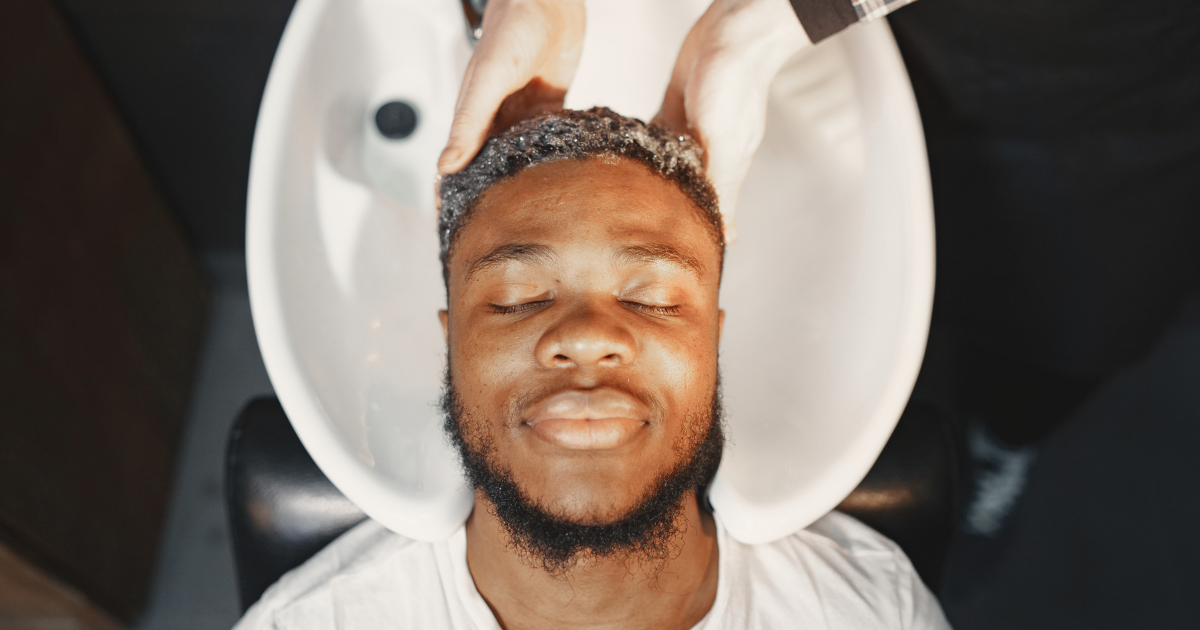
A deep conditioning treatment is most useful when it is matched to a specific hair problem, whether that is roughness, tangling, loss of softness, or increased friction after coloring and heat styling.
The glossy salon reveal can be convincing, but shine alone does not tell you whether a treatment was the right choice. A skilled blowout can temporarily disguise several issues, and a rich formula can make fine hair look smooth while leaving it flat by the next wash.
The better test is how the hair behaves afterward. Does it detangle with less resistance? Do the ends feel more flexible? Is frizz easier to manage without adding extra heat? Those practical changes reveal more than a dramatic before-and-after photo.
A hair strand has an outer cuticle made of overlapping cells that protect the inner cortex. Chemical services, high heat, ultraviolet exposure, brushing, and ordinary wear can disturb that surface. As the cuticle becomes rougher, strands create more friction against one another, which can increase tangling, dullness, and breakage.
A scientific review available through the National Library of Medicine explains that conditioning agents can deposit on damaged areas, reduce friction, improve combing, and create greater softness and gloss. The same review makes an equally important point: the hair shaft consists of dead cells and cannot biologically regenerate.
In beauty language, this means conditioning can make weathered hair look and behave better, but it cannot turn a split or severely weakened fiber into untouched hair. The effect is still valuable. It simply needs an honest job description.
“My hair feels dry” can describe several different situations. Before adding the richest mask available, notice when the problem began, where it appears, and how the hair responds to water and products.
Lengths that catch during combing, feel stiff after shampooing, or become frizzy as they dry may benefit from added slip and surface smoothing. The oldest parts of long hair have experienced the most washing, brushing, weather, and styling, so the ends often need more conditioning than the roots.
If the roots collapse quickly, strands separate into heavy sections, or the hair feels waxy after washing, buildup or an overly rich routine may be part of the problem. Adding another intense formula can make the result feel worse. Product use, water quality, washing technique, and styling residue should be discussed before selecting a service.
Short snapped pieces suggest fiber breakage, while full-length strands released from the root suggest shedding. A conditioning service may improve lubrication and reduce stress during detangling, but it is not a treatment for a medical cause of hair loss.
The MedlinePlus overview of hair loss recommends contacting a healthcare professional for rapid or unusual loss, pain or itching, or a scalp that looks red, scaly, or otherwise abnormal. A salon can support cosmetic care, but scalp disease and unexplained shedding require medical evaluation.
Deep conditioning, bond-building, and smoothing services are often discussed together, but they are not synonyms. Choosing by the desired result is more reliable than choosing the trendiest label.
If smoothing is under consideration, request the product name and ingredient information. The U.S. Food and Drug Administration notes that some hair-smoothing products contain or release formaldehyde when heated and advises consumers to ask about ingredients, ventilation, and stylist training.
A conditioning mask should not be sold as a substitute for a smoothing service, and smoothing should not be casually described as intensive conditioning. Clear categories create better expectations.
Fine, straight hair may need softness without much residue near the scalp. Coarse, curly, or tightly coiled hair may need conditioner distributed throughout the lengths, plus careful detangling in sections. Color-treated ends may require a different approach from untouched roots.
The American Academy of Dermatology’s guidance for curly and coily hair explains that these textures are more prone to dryness and breakage. It recommends moisturizing care, sectioned detangling, and avoiding dry brushing.
This is why copying someone else’s routine can be misleading. Two people can use the same hot tools and color schedule yet need different formulas because their strand diameter, density, texture, and styling goals are different.
A useful consultation should connect the treatment to observable evidence. Bring a truthful history rather than only an inspiration photo.
Also ask why a particular formula was selected. “It is our strongest mask” is less informative than an explanation based on texture, recent chemical history, and the result you want.
A home mask can be a useful part of routine maintenance, especially when the hair responds well to a known formula. A salon service adds professional assessment, controlled application, and the opportunity to coordinate conditioning with color, cutting, or styling plans.
The precise sequence depends on the product and service. Some deep conditioners are left on longer than everyday rinse-out products, while others use a specific application method. More time or more product is not automatically better. Manufacturer directions and the hair’s current condition should guide the process.
The most meaningful professional advantage is not access to a mysterious miracle jar. It is selecting the correct category, applying it where needed, and teaching the client how to avoid recreating the same stress at home.
The American Academy of Dermatology recommends choosing products for the hair type, applying shampoo mainly to the scalp, using conditioner after washing, handling wet hair gently, and limiting excessive heat.
A practical maintenance routine can be simple:
The AAD’s guide to hair-care habits that cause damage also recommends reducing pulling, tugging, excessive heat, and repeated chemical stress. A mask can improve the feel of the hair, but it cannot outwork a routine that damages the fiber every day.
Level and Tone in Jacksonville, Florida, currently describes its treatment menu as customized according to hair type, texture, condition, and goals. The salon lists deep conditioning masks, bond-building therapies, and keratin smoothing as distinct options rather than presenting every concern as the same service.
That distinction supports a more useful consultation. Someone seeking softness after color may need a different plan from someone wanting humidity control or dealing with visible breakage. The salon’s published information also states that pricing varies by stylist, hair length, and condition, with smoothing pricing provided through consultation.
A beauty-editor rule worth borrowing is to assess treatment performance across several moments, not only under salon lighting:
Those observations create useful feedback for the next consultation. They help determine whether to repeat the service, adjust the formula, change the timing, or focus on a different source of stress.
Deep conditioning works best as part of a realistic care strategy, not as a rescue fantasy. Match the service to the actual problem, understand its limits, protect the result through gentler habits, and pay attention to how the hair behaves between salon visits. That is how a glossy finish becomes useful information instead of a one-day illusion.