The Real-Life Wear Test for Beautiful Hair Extensions
The Real-Life Wear Test for Beautiful Hair Extensions A thoughtful hair extension installation should look convincing in motion, feel comfortable against the scalp, and fit…

Well-designed full highlights create brightness throughout the head, but the result depends far more on placement, spacing, contrast, and tone than on filling the hair with as many light pieces as possible.
A thoughtful design has bright areas, quieter areas, and enough depth to make the lighter pieces visible. It should look intentional from the sides, back, and underside, not only in a front-facing photo.
If you are deciding between a partial highlight, a full application, or balayage, it helps to stop thinking in menu labels for a moment. Start with the visual problem you want the color to solve.
A full highlight generally means lightened pieces are distributed through more areas of the head than they would be in a partial service. The crown, sides, back, and lower sections can all be included. It does not automatically define how light, blended, cool, warm, bold, or low-maintenance the result will be.
Two clients can choose the same service and leave with different looks. Fine, closely spaced ribbons create broader brightness, while wider spacing preserves depth and contrast.
The word “full” describes coverage. The design still requires decisions about:
Highlight density refers to how much lightened hair is visible compared with the base. Closely placed fine highlights can create a veil of brightness. More generous spacing preserves depth, making each light piece more noticeable.
Neither approach is universally better. High density can suit someone who wants a major shift toward blonde, while deliberate negative space can produce dimension and a softer grow-out.
Contrast comes from the difference between the highlighted pieces and the hair around them. A deep brunette base with pale ribbons produces more visual contrast than a dark-blonde base with beige highlights, even if the placement pattern is similar.
This is why copying a reference photo requires more than matching the lightest strand. The model’s natural base, previous color, strand thickness, and lighting all influence what you see.
After lightening, a toner or gloss can refine warmth and shift the finish toward beige, gold, neutral, ash, pearl, or another suitable direction. It adjusts the character of the color already revealed; it does not replace thoughtful placement.
If a highlight looks too solid, changing the toner alone may not restore depth. If the placement is beautiful but the shade feels wrong, toner may be exactly the detail that needs adjustment.
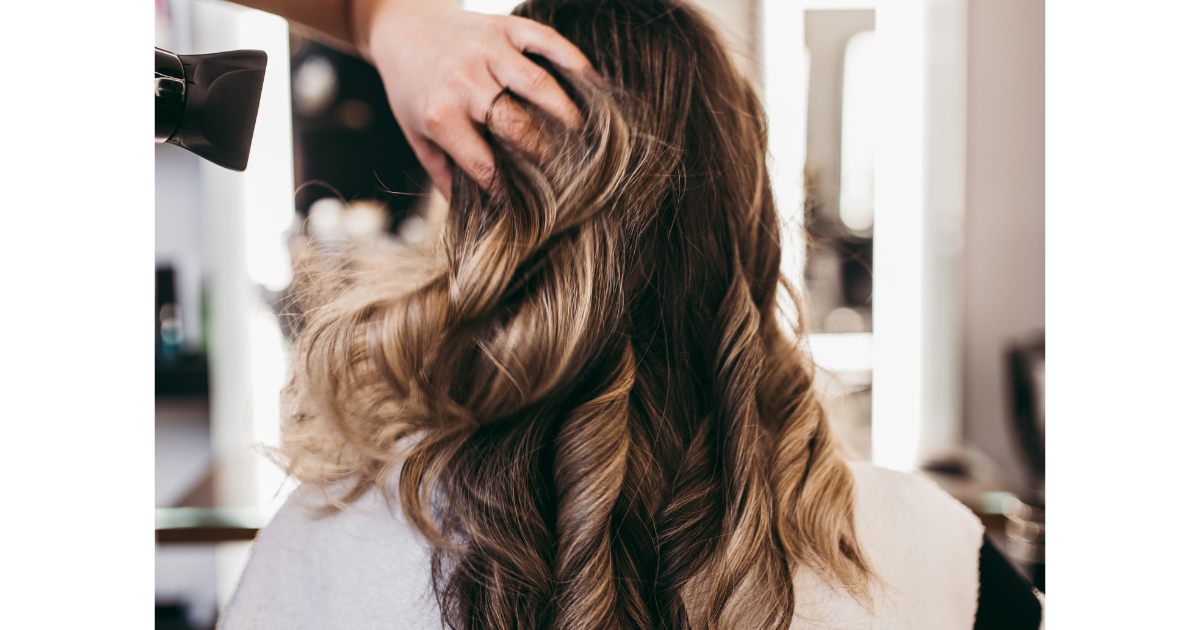
Highlights are most convincing when they follow the movement of the haircut. A face-framing layer may need a brighter ribbon to make its shape visible. A blunt bob may look stronger with controlled vertical lines. Long layers can support more variation through the midlengths and ends.
Parting habits matter too. Someone who switches parts needs flexible coverage. A ponytail wearer may want brightness around the perimeter and underneath, while someone who rarely wears hair up may concentrate detail across the surface.
Before color begins, show the stylist how you normally part, tuck, clip, and tie the hair. The best placement map is designed for movement, not for a single pose in the chair.
Traditional highlighting commonly uses controlled separation, while balayage usually refers to hand-painted lightening on selected sections. Either can look blended or bold depending on technique and starting color.
Choose according to the effect you value:
The service name begins the consultation. Color history and current condition help determine what is reasonable in one visit.
Lightener does not respond only to the color visible today. Permanent dye, glosses, home color, previous highlights, smoothing services, mineral buildup, and overlapping lightener can all influence processing and predictability.
A microscopy study archived by the National Library of Medicine observed surface changes associated with cosmetic treatments, illustrating why chemical and heat history matter. Color need not be avoided, but the plan should respect the existing fiber.
The American Academy of Dermatology also notes that significant lightening generally requires stronger peroxide and can cause more damage than a smaller shade change.
Share an accurate timeline, including:
A strand test may provide useful information when the history is complicated, but the stylist must decide whether one is appropriate and how to interpret it.
Bring several images rather than one. Include front, side, and back views, plus a photo showing the depth you like. Natural-light images help because filters and warm lighting distort tone.
Then identify the specific feature you want from each photo:
A “not this” example that feels too bright, stripey, warm, or blended can also clarify your preferences quickly.
Tell the stylist about previous reactions, scalp sensitivity, active irritation, and allergies. The U.S. Food and Drug Administration’s hair-dye guidance advises following product warnings and conducting the recommended skin test before each use because a reaction can occur even after prior uneventful coloring.
Burning, swelling, rash, or unusual discomfort should not be treated as proof that a product is working. Product instructions and salon safety procedures should guide how any concern is handled.
Lightened hair often benefits from gentler handling. The American Academy of Dermatology’s healthy-hair advice recommends conditioning after washing, detangling carefully, and using low or medium heat rather than excessive temperatures.
A manageable routine might include:
Sun exposure can also fade color and contribute to dryness. Cleveland Clinic’s guide to sun-related hair damage recommends protective coverings and gentler care, particularly for lightened or color-treated hair.
Liquid Salon in Bloomfield Hills, Michigan, currently lists single-process color, partial and full highlighting, balayage, basebreak services, and anti-brass toner. Its published description distinguishes highlighting, which adds dimension with lightener or color, from balayage, which uses a freehand painting approach.
That menu allows a refresh without assuming every visit needs the same lightening. A partial service can address visible areas, toner can refine warmth, and a full application can restore brightness throughout.
A beauty-editor check goes beyond asking whether the hair looks blonde enough. Examine the balance:
Full highlighting is successful when the entire design feels coherent, not when every strand competes to be the lightest. The most polished results use brightness strategically, preserve enough depth for dimension, and account for the haircut, styling habits, hair history, and realistic maintenance. That is the difference between simply adding highlights and building color that looks considered from every angle.