Laser Hair Removal in Pigeon Forge, TN: Worth the Switch?
Laser hair removal in Pigeon Forge, TN may be worth considering if shaving, waxing, and dealing with frequent regrowth have started to feel like an…

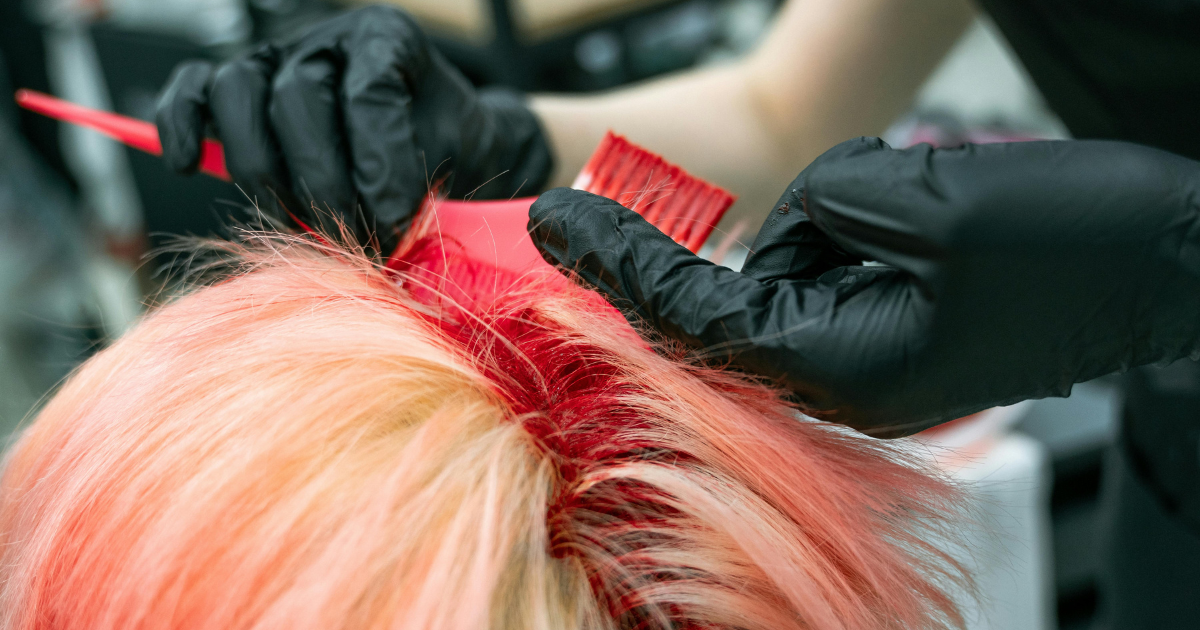
Hair color and blonding in Knoxville, TN should begin with a realistic plan—not a last-minute decision based on one perfectly lit inspiration photo.
There is something undeniably exciting about changing your hair color. A brighter blonde can make an old haircut feel new, dimensional highlights can add movement, and a glossy brunette can look instantly polished. But beautiful color is rarely as simple as choosing a shade and waiting for the timer to ring.
Your starting color, previous chemical services, hair condition, maintenance preferences, and desired finish all affect the process. Understanding those factors makes it much easier to choose between highlights, balayage, lived-in blonde, platinum blonding, or a more traditional base-color service.
Inspiration photos are useful because they give the stylist a visual reference. The problem begins when a photo becomes an expectation rather than a conversation starter.
Lighting, filters, extensions, natural density, and styling can all change how color appears in a picture. Two people can request the same blonde and receive noticeably different results because their starting points are not the same.
Before a color appointment, a stylist should know:
Leaving out part of the color history can make the result less predictable. Even a shade that appears to have faded may remain within the hair and influence how it responds to lightener.
“Going blonde” can describe everything from a few softly placed highlights to an all-over platinum transformation. Choosing the correct service depends on the amount of brightness, contrast, and maintenance you want.
Partial highlights are generally placed through selected areas, often around the face and upper sections of the hair. They can brighten an existing color without changing every strand. This option may suit someone who wants visible dimension but is not ready for a complete blonding session.
Full highlights distribute lightness throughout more of the head. The finished appearance can range from blended dimension to a much brighter blonde, depending on placement, spacing, and the amount of natural hair left between foils.
Balayage uses customized placement to create brightness and dimension. It is often associated with a softer transition near the root, although the finished result depends on the technique and starting color.
Balayage is not automatically low-maintenance in every situation. Very light ends may still need toning, conditioning, and thoughtful home care. The advantage is that the placement can be designed to grow out more gradually than a strong line of color at the scalp.
Lived-in blonde blends lightness with intentional depth near the root. Highlights, balayage, foilayage, a root tap, and gloss may be combined to create a multidimensional finish.
This style is popular because it can look polished without appearing overly uniform. It is also flexible: lived-in color can be subtle and natural or bright and high-impact. The defining feature is the blended transition, not one specific shade of blonde.
Platinum blonding aims for significant brightness from roots to ends. It is usually the most demanding option because the stylist must address virtually every section while maintaining an even result.
This is not always achievable in one appointment. Dark starting color, previous dye, uneven lightness, or fragile ends may require a gradual approach. A responsible plan protects the condition of the hair instead of treating maximum lift as the only measure of success.
Reaching the right level of lightness is only part of creating a blonde. Tone determines whether the finished color looks icy, beige, creamy, golden, or neutral.
Cool blonde can look crisp and modern, but it may require regular toning because cool pigments can fade. Golden shades reflect warmth intentionally and can create a softer effect. Beige tones sit between warm and cool, making them useful for clients who want balance.
A gloss is commonly used after lightening to refine the tone and add shine. It does not make naturally dark hair blonde by itself; instead, it adjusts the appearance of hair that has already been lightened to an appropriate level.
When selecting tone, consider:
A root retouch on an established blonde is different from creating blonde through several inches of new growth. Once regrowth becomes extensive, overlapping lightener or creating an even lift becomes more complicated.
Salon Yeager separates its blonding options according to the type of result and maintenance involved. Its Blonde Addiction service is intended for established blondes maintaining limited new growth. Lived In Blonde focuses on multidimensional color with a blended root, while the Platinum Card Experience is designed for a more ambitious roots-to-ends transformation.
This type of menu structure helps clients understand that not every blonde appointment requires the same technique or amount of time. It also explains why an accurate consultation is essential before booking a major service.
Lightener changes the hair so natural pigment can be removed. That process can leave strands feeling drier or more vulnerable, especially when hair is already chemically treated.
The American Academy of Dermatology notes that many appearance-enhancing treatments can contribute to dryness and brittleness. Its guidance encourages consumers to use caution with dramatic lightening and protect color-treated hair from excessive sun exposure.
Salon Yeager’s blonding packages include Metal Detox steps and deep conditioning as part of the service. While no salon product makes hair indestructible, incorporating conditioning care and evaluating the hair throughout the process can support a more thoughtful blonding plan.
A stylist may also recommend delaying a service, trimming compromised ends, reducing the brightness goal, or completing the transformation over several visits. That is not a failure of creativity. It is a sign that the plan considers what the hair can reasonably handle.
Color correction is not simply “another color service.” It may involve removing artificial pigment, evening out bands, filling missing warmth, neutralizing an unwanted tone, or rebuilding dimension after an overly uniform result.
The process varies so widely that it usually requires consultation. Photos of previous colors, an honest product history, and realistic expectations help the stylist determine what may be possible.
The U.S. Food and Drug Administration advises following hair-dye directions carefully and paying attention to ingredient and allergy information. Clients should tell their stylist about previous reactions and seek medical advice when concerning symptoms occur.
Corrective appointments can be time-intensive, and one session may prioritize improvement rather than perfection. Sometimes the smartest first step is creating an even, wearable color before pursuing the final inspiration shade.
Fresh color leaves the salon looking glossy because it has just been toned, conditioned, and professionally styled. Keeping it polished requires a routine that supports the specific service.
Purple shampoo is especially easy to overuse. It can help counter yellow tones, but it does not replace a customized gloss and will not correct every type of warmth. Using too much may leave some blondes looking dull or uneven.
It is tempting to choose color based entirely on the final photo. A better approach is to think about the weeks and months after the appointment.
Do you enjoy regular salon visits? Are you comfortable using specialized products? Would a softer root make your schedule easier? Do you want noticeable contrast, or would seamless dimension feel more natural?
These questions help determine whether partial highlights, a lived-in blonde, full blonding, or another color direction fits best. They also create space for the stylist to recommend a version of the trend that works with your real hair.
Great color is not defined only by how light the hair becomes. It is the combination of flattering placement, intentional tone, realistic maintenance, and a plan that respects the hair’s starting condition. When those elements align, blonde feels less like a risky impulse and more like a transformation designed to last.