Booking custom facials in Lexington, KY
Facial menus can be surprisingly confusing. One treatment promises hydration, another focuses on texture, and a third involves a device with several unfamiliar steps. If…

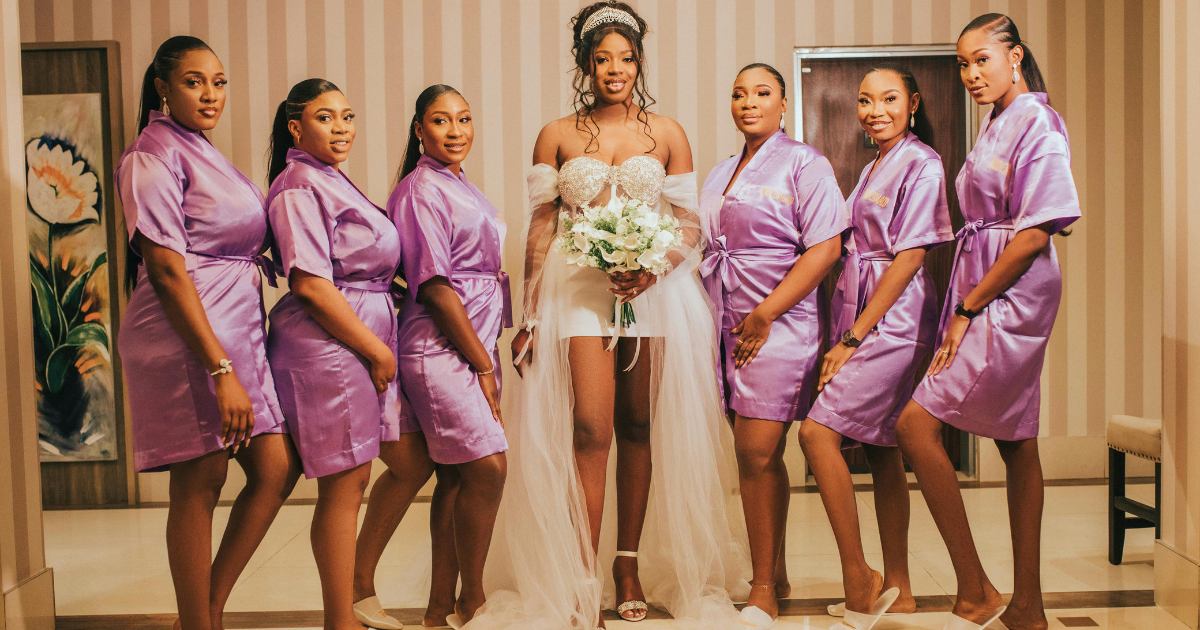
Bridal hair styling in Charleston, SC should balance personal style, comfort, weather, accessories, and long-lasting hold rather than simply recreating a beautiful inspiration photo.
Wedding hair has a big assignment. It needs to look polished in professional photographs, survive hugs and dancing, work with the dress and veil, and still feel like you. Add Charleston heat or humidity to the equation, and thoughtful planning becomes even more important.
The best bridal looks usually begin well before the wedding morning. A consultation, trial appointment, realistic hair-care timeline, and clear schedule give the stylist enough information to create a design that looks intentional from the first photo through the final dance.
Wedding trends can be inspiring, but they should not completely replace your everyday identity. If you always wear your hair down, an extremely tight updo may feel unfamiliar. If you prefer a polished style, very loose texture may feel unfinished.
Start by identifying what you already love about your hair. Then decide how you want to elevate it for the event.
Popular directions include:
Collect several reference photos with similar hair color and density to your own. Details are easier to see on comparable hair. A heavily textured blonde updo may appear different when recreated on dark, one-dimensional color because the individual sections are less visually obvious.
Your hairstyle does not need to match the dress literally, but the two should feel connected. A high neckline or dramatic back detail may be better showcased with the hair lifted away. A strapless or minimal gown can leave room for long waves or a fuller half-up style.
Consider the complete look:
Bring photographs of the dress to your hair trial. If possible, wear a top with a similar neckline so you can better judge the balance of the hairstyle.
A hair trial turns ideas into a practical plan. It gives the stylist time to evaluate your length, texture, density, and haircut while experimenting with placement, volume, and accessories.
The trial can answer important questions:
Take photographs from the front, sides, and back in both indoor and natural light. A style can look beautiful from one direction while needing an adjustment from another.
Wear the trial for the rest of the day when possible. Pay attention to discomfort, slipping pins, loose sections, frizz, and how the style photographs after several hours. That feedback helps the stylist refine the wedding-day design.
Outdoor ceremonies, coastal air, heat, and humidity can influence how hair behaves. A delicate curl pattern that works beautifully in a climate-controlled room may soften more quickly outside.
This does not mean every Charleston bride needs a firm updo. It means the stylist should know how much time will be spent outdoors and whether the venue offers a cool preparation area.
For a warm-weather wedding, consider:
Your stylist can recommend a design and product strategy based on your hair rather than promising that one universal anti-humidity product will solve everything.
Fresh color can add dimension that makes braids, waves, and twisted sections more visible. However, the wedding week is not the ideal time to experiment with an entirely unfamiliar shade.
Schedule major color changes far enough in advance to allow time for adjustments. The final color appointment can then focus on refreshing the established plan rather than correcting a surprise.
A haircut also affects bridal styling. Fresh ends can make waves look healthier, but removing too much length or changing the layers immediately before the event may interfere with the planned updo.
Tell your regular stylist about the bridal look before receiving a major cut. If you plan to color your hair, follow product and allergy-testing instructions. The U.S. Food and Drug Administration recommends completing instructed skin testing and stopping use if a reaction occurs.
Bridal extensions are not reserved for someone who wants dramatically long hair. They can also add fullness to a ponytail, provide extra material for a bun, strengthen the shape of half-up waves, or make an intricate style appear more dimensional.
If extensions may be needed, discuss them before the trial. The stylist needs to know the attachment type, color, length, and amount of hair involved.
Olliver Lux Hair Society offers customized professional extension services, beginning with a consultation. The salon also notes that it does not provide blowouts on extensions installed elsewhere. Confirm extension arrangements early instead of arriving on the wedding day with unfamiliar pieces.
Clip-in extensions should be custom blended and demonstrated during the trial. This allows the stylist to determine where they can be placed without showing or interfering with veil pins.
Many brides become hyperfocused on hair care during the final months and begin using several new masks, oils, supplements, and styling tools at once. More intervention is not always better.
A manageable preparation routine may include:
The American Academy of Dermatology’s styling guidance recommends reducing excessive heat and avoiding hairstyles that create ongoing tension. Healthy-looking bridal hair is more likely when preparation is consistent and gentle.
The old rule that event hair must be dirty is not universal. Product buildup, excess oil, or heavy dry shampoo can make some styles harder to create.
Ask exactly when and how to wash before the appointment. Instructions may vary according to natural texture, desired style, scalp oil production, and whether a blowout is part of the service.
Unless told otherwise, avoid experimenting with a rich new mask immediately before the wedding. Hair that becomes unusually soft or coated may not hold certain shapes as expected.
Bring every accessory you are considering, including the veil, comb, pins, headband, flowers, and decorative clips. The stylist needs to see their weight and attachment mechanism.
A heavy veil may require a stronger anchor than a small comb. Fresh flowers need coordination with the florist because some varieties wilt quickly or release moisture onto the hair.
If you plan to remove the veil after the ceremony, practice the removal process. Decide who will take it out and ask the stylist to demonstrate how to avoid disturbing the hairstyle.
Hair should not be squeezed between photographs, makeup, deliveries, and transportation without breathing room. Build the schedule backward from the time everyone must be fully dressed.
Include time for:
If several attendants need services, confirm exactly who is receiving hair styling. Last-minute additions can disrupt timing for the bride and the rest of the group.
A simple touch-up kit can help manage minor changes without attempting to rebuild the entire style.
Useful items may include:
Assign the kit to a trusted member of the wedding party. Avoid letting several people spray, brush, and repin the hair throughout the day.
Olliver Lux Hair Society is a luxury, family-owned salon located at 48 Wentworth Street in downtown Charleston. Owners and senior stylists Lauren and Xavier Parra bring experience in salon work, weddings, editorial styling, and professional education.
The salon’s confirmed wedding offerings include bridal hair trials and wedding-day bridal styling. Trials are recommended, although not required. Complimentary consultations are available to discuss the desired look and wedding details.
Olliver Lux also offers shampoo and blowout services, thermal styling, non-bridal event hairstyles, up-styles, and vintage sets. Private and on-location arrangements outside regular business hours may be available following consultation and deposit.
A successful bridal hairstyle should photograph beautifully, remain comfortable, and allow you to move through the day without constantly checking every pin.
Begin planning early, bring useful references, test accessories, and communicate honestly during the trial. Consider the dress, Charleston weather, natural texture, extensions, and the amount of polish that feels authentic to you.
When the design reflects both your personal style and the practical realities of the event, your hair becomes one less thing to worry about—and one more part of the day that feels completely yours.