Booking custom facials in Lexington, KY
Facial menus can be surprisingly confusing. One treatment promises hydration, another focuses on texture, and a third involves a device with several unfamiliar steps. If…
Facial menus can be surprisingly confusing. One treatment promises hydration, another focuses on texture, and a third involves a device with several unfamiliar steps. If you are already standing in front of a shelf full of cleansers, serums, and masks at home, the last thing you need is another complicated decision.
The best facial is not automatically the most expensive or advanced service. It is the treatment that suits your skin on the day of your appointment. Here is how to compare the options and book with more confidence.
Before choosing a facial, decide what you want from the experience. Are you craving an hour of relaxation? Does your skin feel dry and uncomfortable? Are you dealing with dullness or congestion? Do you want a refreshed look before an event?
Your answer helps the esthetician customize the service. It also prevents you from booking an intense treatment when your skin actually needs something gentle.
Common facial goals include:
Be specific during the consultation. “My cheeks feel tight, but my forehead becomes oily” is more useful than simply saying your skin is difficult.
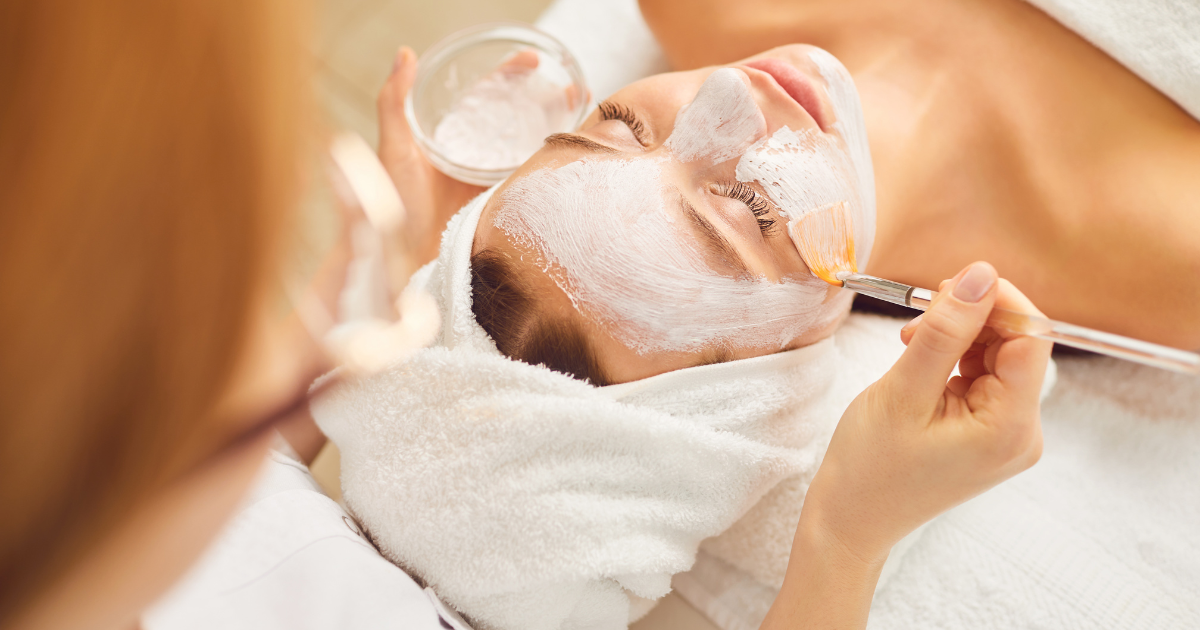
A classic facial is the dependable option on the menu. It generally centers on cleansing, exfoliation, hydration, and products chosen for the skin’s current condition.
This can be a great first professional facial because it gives you and the esthetician an opportunity to observe how your skin responds without immediately reaching for the most intensive treatment.
It is also useful for routine maintenance. Not every appointment needs to involve aggressive exfoliation or corrective products. Sometimes the skin benefits from careful cleansing, balanced hydration, and an hour away from phones, errands, and makeup.
If you are choosing between appointment lengths, consider the experience you want. A shorter facial may provide focused care, while a longer appointment creates more time for customization and relaxation.
A specialty facial typically goes beyond general maintenance by concentrating on a particular cosmetic concern or experience. The products and techniques may be adjusted for hydration, visible brightness, congestion, or texture.
This category is worth considering when you have received basic facials before and want something more targeted. However, “specialty” does not mean that every active ingredient or enhancement should be used at once.
Tell the esthetician if your skin has recently become sensitive. Weather changes, travel, stress, medication, and new products can alter how well your complexion tolerates exfoliation.
The phrase “corrective facial” sounds powerful, but it should not be confused with medical treatment. A customized corrective service may help improve the appearance of dullness, surface congestion, dryness, or uneven texture. It cannot diagnose a skin disorder or permanently remove every blemish, line, or dark spot.
Corrective skincare usually works best as a plan rather than a single dramatic appointment. That plan may combine professional services with a simple home routine selected for your goals.
A responsible provider should also explain when an esthetic facial is not the right solution. Painful cysts, persistent rashes, changing moles, severe inflammation, or breakouts that are causing scars deserve attention from a dermatologist or another qualified healthcare professional.
Seasonal facials are the beauty-menu equivalent of changing your wardrobe. They add variety without requiring you to completely reinvent your skincare routine.
The treatment may feature seasonal ingredients, aromas, or textures while addressing how the current environment affects the skin. Cold weather and indoor heating may increase dryness, while hot and humid conditions can leave the complexion feeling oily or congested.
A seasonal facial can be an enjoyable choice when you want something fresh but do not have a major corrective goal. If you are sensitive to fragrances or botanical ingredients, disclose that before the service. Festive does not automatically mean suitable for every complexion.
Microdermabrasion uses a professional device to exfoliate the skin’s outer surface. It is designed to remove accumulated surface cells and create a smoother, brighter-looking complexion.
The American Academy of Dermatology explains that microdermabrasion may be used to improve the appearance of concerns such as dullness, uneven texture, age spots, and certain dark marks.
This service may appeal to someone who enjoys noticeable exfoliation but does not want significant downtime. Still, it is not automatically appropriate for irritated, sunburned, or highly reactive skin.
Before booking, disclose whether you use:
You should also mention recent waxing, peels, injections, or laser procedures. Combining too many treatments can leave the skin unnecessarily sensitive.
HydraFacial has become a familiar name in modern skincare because it combines several steps within a technology-assisted treatment. Depending on the selected service and customization, it may include cleansing, exfoliation, extraction, and the application of hydrating solutions.
This option is popular with clients who enjoy that freshly cleansed, hydrated appearance and prefer a controlled device-based process. It can feel more streamlined than a completely manual facial.
However, the device does not make consultation unnecessary. The provider still needs to evaluate the skin, choose suitable settings and solutions, and determine whether extractions or exfoliation should be modified.
A HydraFacial can refresh the complexion, but it should not be described as a cure for acne, rosacea, pigmentation disorders, or other medical conditions. Results also vary, so book according to your skin and goals rather than a heavily filtered before-and-after photograph.
Teen skin often experiences oiliness, congestion, and breakouts as hormones change. Add social-media skincare trends to the mix, and a teenager can quickly end up using several harsh products at the same time.
A teen facial should provide age-appropriate care without making normal skin changes feel embarrassing. Gentle cleansing, suitable exfoliation, and practical education can be more useful than a long list of complicated products.
Helpful habits include cleansing without aggressive scrubbing, avoiding picking, choosing non-comedogenic products when appropriate, and introducing active ingredients one at a time.
Moderate, severe, painful, or scarring acne should be evaluated medically. Professional skincare can support healthy habits, but it does not replace dermatological treatment when that treatment is needed.
The back is easy to neglect because it is difficult to see and reach. Sunscreen, sweat, hair products, and tight clothing can also contribute to buildup in the area.
A professional back treatment may include cleansing, exfoliation, extractions when appropriate, and hydration. It is a practical choice before a vacation, wedding, or event involving an open-back outfit.
This service can also feel surprisingly relaxing. Just remember that painful or widespread back acne may require medical care rather than repeated extractions.
A good facial starts before you reach the treatment room. Avoid experimenting with a powerful peel or scrub immediately beforehand. Arriving with irritated skin limits what the esthetician can safely include.
Bring or photograph the products you use at home. Include prescriptions, spot treatments, retinoids, acids, and anything that has recently caused stinging or redness.
You should also mention:
If you have never received a particular advanced treatment, avoid scheduling it immediately before a wedding or major photoshoot. Give your skin enough time to show you how it responds.
Freshly treated skin does not need a complicated product marathon. Follow the provider’s instructions and use gentle products while the complexion settles.
Depending on the service, you may be advised to temporarily pause retinoids, exfoliating acids, scrubs, or other active ingredients. Avoid picking at areas that received extractions and do not attempt to recreate professional techniques at home.
Sun protection is especially important after exfoliation. The American Academy of Dermatology’s sun-protection guidance recommends using sunscreen along with shade and protective clothing to reduce ultraviolet exposure.
If redness or discomfort becomes worse instead of improving, contact the provider. Blistering, significant swelling, or other severe reactions may require medical attention.
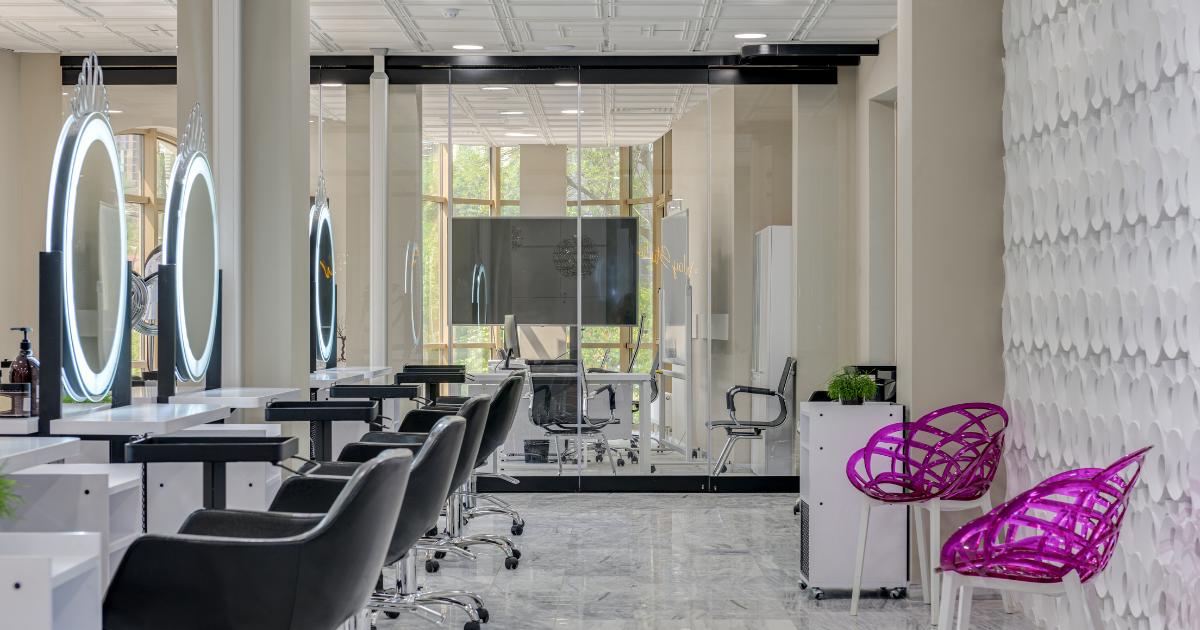
Posh Salon and Spa offers customizable facial and skincare services at its Richmond Road location in Lexington. Its confirmed menu includes the Posh Classic Facial, Posh Specialty Facial, Custom Corrective Facial, Seasonal Facial, Teen Facial, and Back Treatment.
Technology-supported options include microdermabrasion and HydraFacial. Posh books its customized spa services according to the treatment time requested and whether the guest wants to focus primarily on relaxation or correction.
Because the company has two Lexington locations and the Tates Creek salon is hair-focused, guests should confirm that they are booking spa services at the Richmond Road location.
If you are new to facials, begin with a customizable classic treatment and use the consultation to learn what your skin actually needs. If exfoliation and texture are your priorities, ask whether microdermabrasion is appropriate. If you prefer a device-based treatment combining cleansing, extraction, and hydration, consider HydraFacial.
Most importantly, do not choose a facial simply because it is trending. The best beauty treatment is the one that respects your skin, fits your routine, and leaves you with aftercare you can realistically maintain.