Hair extensions in Knoxville TN can add dramatic length, believable fullness, or a few perfectly placed pops of color, but the most flattering results start with selecting a method that suits your natural hair and lifestyle.
I love a good hair transformation, but extensions are not a one-size-fits-all beauty accessory. The installation that works beautifully for someone with thick, waist-length hair may not be suitable for a client with fine strands or a sensitive scalp. Your preferred hairstyles, workout routine, maintenance schedule, and comfort level all matter.
The good news is that modern extension methods offer far more flexibility than they once did. From lightweight hand-tied wefts to discreet individual strands, there are options for subtle volume, statement-making length, temporary color, and nearly everything in between.
Start With a Professional Consultation
Choosing extensions from photographs alone is tempting, but a consultation is where the real planning happens. Your stylist needs to see and feel your natural hair before recommending an installation method, length, color blend, or amount of extension hair.
During the consultation, expect to discuss:
- Your desired length and level of fullness
- The condition and density of your natural hair
- Your current haircut and color
- Previous lightening or chemical services
- How frequently you shampoo and heat-style
- Your preferred maintenance schedule
- The hairstyles you wear most often
- Your overall budget for installation and upkeep
Color matching is especially important. Natural hair rarely consists of one completely uniform shade. A stylist may combine complementary extension colors to recreate highlights, lowlights, warmth, or cool dimension. This customized blend is often what makes extensions look like part of the natural hair rather than an obvious add-on.
Five Hair Extension Methods Worth Knowing
Understanding the basic differences between extension systems makes the consultation much easier. Each method has its own attachment style, ideal candidate, maintenance requirements, and finished effect.
Hand-Tied Weft Extensions
Hand-tied wefts are created by tying individual hair strands onto a thin weft. The wefts are then installed over a beaded foundation and sewn into place. Because the band is slim, it can sit relatively flat against the head and create a seamless curtain of hair.
This method is popular with clients who want considerable length, fullness, and dimension without using adhesive or keratin bonds. Placement can be customized around the head to support the desired haircut and styling options.
Hand-tied extensions may appeal to someone who wants:
- Fuller mid-lengths and ends
- A natural-looking blend
- Longer hair worn every day
- Volume that photographs beautifully
- Versatility for waves, curls, and updos
The number of rows and amount of extension hair should be based on the natural hair’s density. Adding more hair is not always better, especially when excessive weight could create discomfort.
Volume Weft Extensions
Volume wefts are designed to provide broad coverage and noticeable fullness. They are installed by creating a beaded foundation and sewing the weft into place. The method does not require heat or chemical bonding during installation or reapplication.
This option is often well suited to clients with denser natural hair who want a substantial transformation. It can also be combined with other extension methods to fill smaller areas or create a more customized result.
Because the wefts can provide generous coverage, correct sectioning and placement are essential. The rows should be concealed by the natural hair and positioned so they remain comfortable during everyday activities.
I-Tip Extensions
I-tip extensions are installed strand by strand using small beads or micro-links. The individual placement allows a stylist to distribute additional hair throughout selected areas rather than creating one continuous row.
This method can produce natural movement because the installed strands move more independently. I-tips can be used for length, fullness, dimensional color, or targeted volume where the natural hair appears less dense.
The Allure guide to micro-link extensions explains that careful cleansing and detangling are important because product residue and knots can develop around the attachment areas. Sleeping with the hair protected can also reduce tangling and help preserve the extensions.
K-Tip Extensions
K-tip extensions feature individual strands with small keratin-based tips. During installation, the bond is softened with controlled heat and attached to a section of natural hair. Once correctly placed, the bonds are designed to remain discreet and allow the hair to move naturally.
This method can create highly customized coverage because the stylist controls the placement of each extension strand. K-tips may be used to add length, fill out fine-looking ends, or introduce dimension without coloring every section of natural hair.
K-tip installation is detailed work, and professional removal is just as important as professional application. Pulling, cutting, or attempting to dissolve the bonds at home can damage the natural hair.
Tape-In Extensions
Tape-in extensions use thin sections of extension hair with adhesive tabs. A small section of natural hair is placed between two tabs, producing a flat attachment that can blend discreetly beneath the surrounding hair.
Tape-ins are a popular choice for clients who want length and volume with relatively slim attachment points. They can also be used to add highlights or brighter pieces without lightening the natural hair.
An Allure overview of tape-in extensions notes that oil-based products near the adhesive may contribute to slippage. Heat tools should also be kept away from the tape itself. The stylist’s specific aftercare instructions should always take priority.
How Salon Yeager Approaches Hair Extensions
Salon Yeager offers Bellami hair extensions at its Knoxville salons. Its verified extension menu includes hand-tied wefts, volume wefts, I-tips, K-tips, and tape-ins, giving clients five installation methods to explore during a complimentary consultation.
The salon states that it uses ethically sourced, 100% Remy hair with more than 40 available shades. Remy hair is valued because the cuticles are kept aligned in the same direction, which can support a smoother appearance and more natural movement when the extensions are cared for correctly.
Salon Yeager has two Knoxville locations on Kingston Pike: Bearden Station and The Gallery. Clients should confirm stylist and method availability when scheduling their consultation because extension specialties may vary by professional.
Protecting Your Natural Hair Matters
Extensions should feel secure, but they should not cause persistent pain, headaches, bumps, or a constant pulling sensation. Excessive tension can contribute to breakage and traction alopecia, a type of hair loss associated with repeated pulling.
The American Academy of Dermatology recommends choosing professionally installed extensions, keeping the scalp clean, protecting delicate edges, and asking the stylist to loosen any area that feels painful.
A medical review available through the National Library of Medicine also discusses how constant tension from extension attachment sites may contribute to hair loss. Early attention is important because prolonged traction can potentially lead to permanent damage.
If you notice unusual shedding, thinning around the attachment areas, scalp sores, or ongoing tenderness, contact your stylist and consider speaking with a board-certified dermatologist.
Your At-Home Extension Care Routine
Premium extension hair still requires consistent maintenance. Unlike hair growing from the scalp, extension strands do not receive natural oils in the same way, so they may become dry or tangled without proper care.
Brush From the Ends Upward
Use an extension-friendly brush recommended by your stylist. Begin at the ends, gently remove tangles, and work upward in small sections. Support installed attachment points with one hand to reduce pulling while brushing.
Keep the Scalp Clean
Wash the scalp gently without aggressively rubbing, twisting, or piling the hair on top of the head. Shampoo should be thoroughly rinsed from around beads, wefts, tapes, and bonds. Apply conditioner according to your stylist’s directions, generally keeping heavy products away from attachment areas.
Dry the Attachment Areas
Avoid going to sleep with wet extensions. Moisture can remain trapped around rows or bonds, and wet hair is more vulnerable to tangling. Dry the roots and attachment areas carefully before styling or going to bed.
Use Heat Thoughtfully
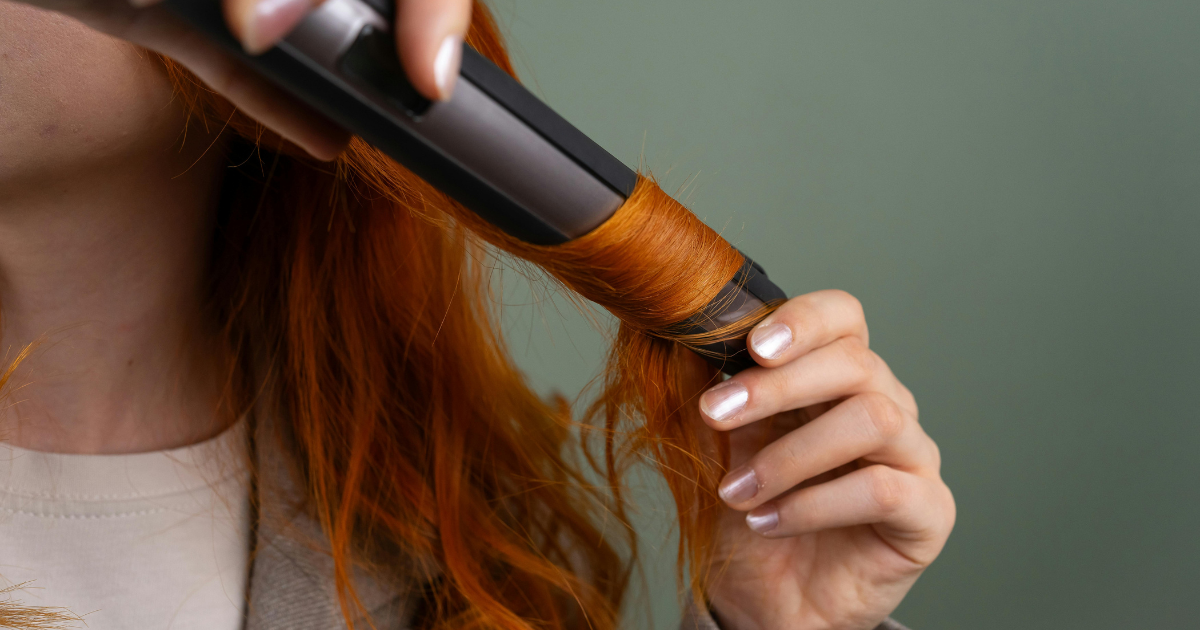
Extension hair can often be curled or straightened, but frequent high heat may shorten its usable life. Use a heat protectant and the lowest effective temperature. Keep flat irons and curling tools away from tape, beads, thread, and keratin bonds.
The AAD’s guidance for styling hair without damage recommends reducing excessive heat, limiting unnecessary brushing, and avoiding styles that continuously pull on the hair.
Protect Extensions Overnight
Before sleeping, gently secure dry extensions in a loose braid or low ponytail. A silk or satin bonnet or pillowcase may help reduce friction and tangling. Avoid tight elastics that place unnecessary pressure on the hairline.
Swimming, Workouts, and Everyday Life
You can maintain an active lifestyle with extensions, but a little planning helps. Secure the hair during exercise and dry sweaty attachment areas afterward. Before swimming, ask your stylist about precautions for your specific method.
The Allure guide to summer extension care recommends protecting the hair from tangling around salt water and chlorine, washing gently, and keeping conditioning products away from tape or bonded attachments.
Extensions should also be checked regularly as the natural hair grows. Maintenance visits allow the stylist to reposition or reinstall the hair, inspect the attachment areas, address tangles, and preserve a polished blend.
Questions to Ask Before Committing
- Which method best suits my natural hair density?
- How much length and volume can be added comfortably?
- How often will I need maintenance appointments?
- Can I wear high ponytails or updos?
- Which products and brushes should I use?
- How should I protect the extensions while sleeping?
- What is the professional removal process?
- Can the extension hair be reused?
- What is included in the total estimate?
Consumers can also review professional licensing information through the Tennessee Board of Cosmetology and Barber Examiners.
The Best Method Is the One That Fits Your Hair
Hair extensions can be glamorous, but the most successful transformations are also practical. The color should blend with your natural hair, the attachment method should feel comfortable, and the maintenance routine should work with your schedule.
Hand-tied or volume wefts may be ideal for someone who wants generous fullness. I-tips and K-tips offer detailed strand-by-strand placement, while tape-ins provide slim attachment points and versatile coverage. None is universally better than the others.
A professional consultation, realistic expectations, and consistent aftercare are what turn beautiful extension hair into a believable, wearable result. Choose the method that supports your natural strands, complements your lifestyle, and makes you feel like the most polished version of yourself.