Makeup Services in Schaumburg, IL: A Beauty Lover’s Guide
Makeup services in Schaumburg, IL can take the guesswork out of creating a polished look for a wedding, photo session, celebration, professional event, or much-needed…

Makeup services in Schaumburg, IL can take the guesswork out of creating a polished look for a wedding, photo session, celebration, professional event, or much-needed beauty refresh. The best appointment is not simply about applying more products—it is about selecting flattering colors, preparing the skin properly, and creating a finish that suits the client’s features, comfort level, and plans.
Professional makeup can be soft and understated, bold and glamorous, or somewhere comfortably in between. Knowing what to request—and how to prepare—makes the entire experience more useful.
One of the biggest misconceptions about professional makeup is that every appointment produces the same dramatic result. A good artist adjusts the application to the person sitting in the chair.
The consultation may cover:
Bringing inspiration photos is helpful, but they should be treated as a starting point. Lighting, filters, facial structure, skin tone, and eye shape can make the same makeup appear completely different from one person to another.
Sharon Daniel Salon offers both traditional and airbrush makeup application. Neither technique is automatically better for every client; they simply create the complexion in different ways.
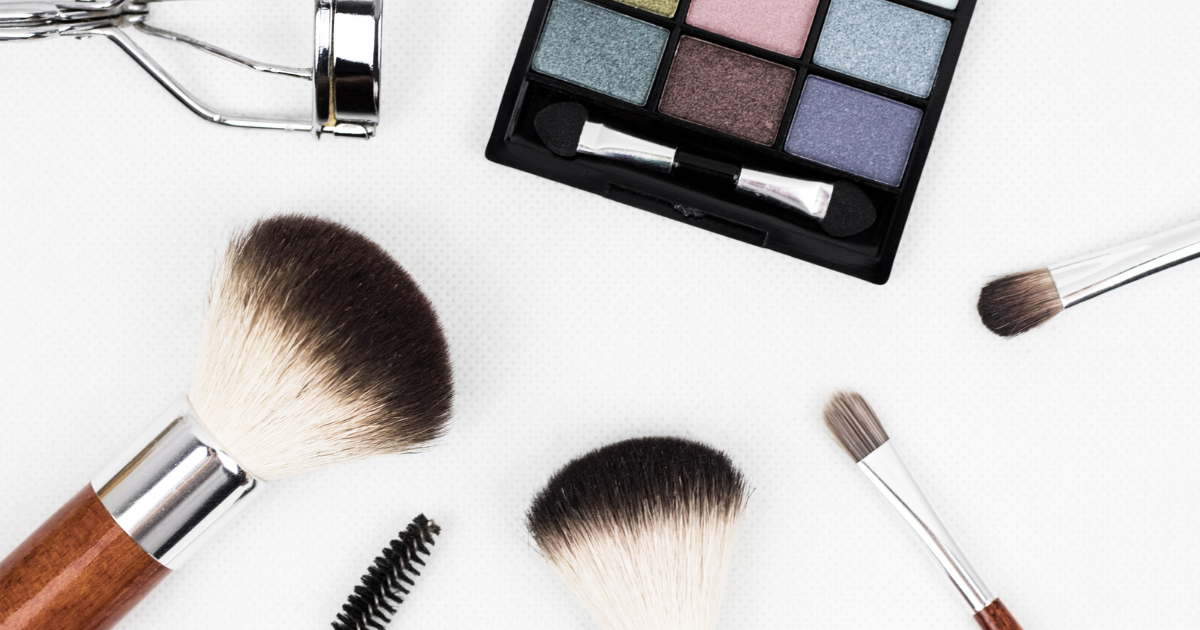
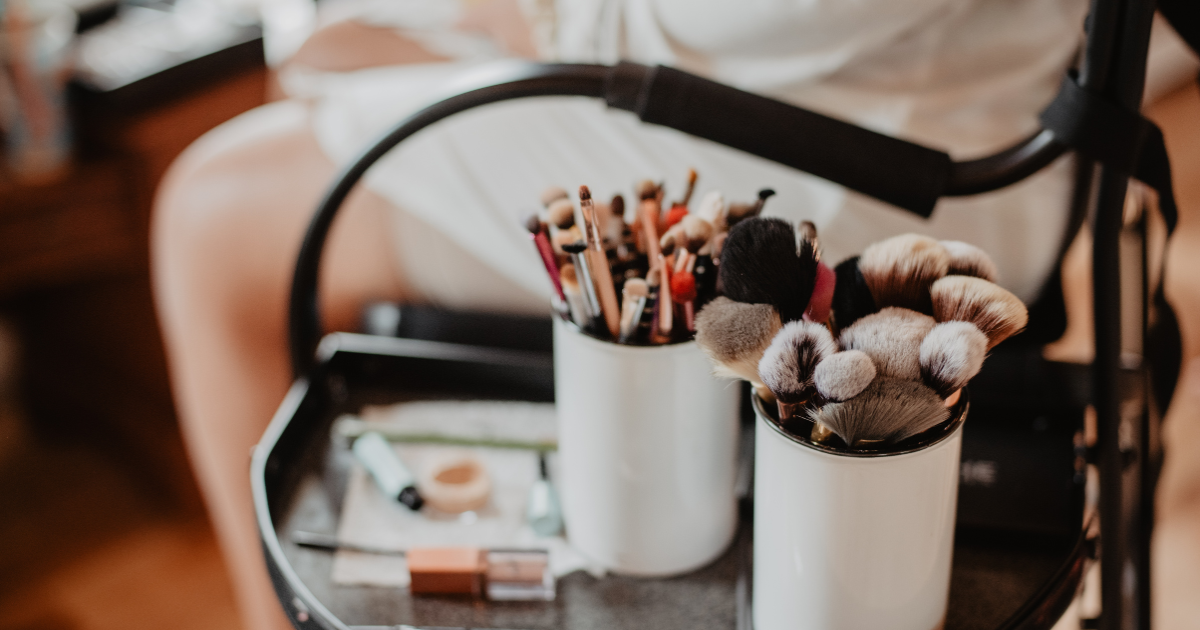
Traditional makeup is applied with tools such as brushes, sponges, and fingers. It gives the artist flexibility to layer, blend, and customize different areas of the face.
This method works well for sheer, medium, or full coverage. It can also accommodate different textures, allowing the artist to use one product around the center of the face and another in areas that need additional correction.
Traditional application may be a good choice for clients who:
Airbrush makeup uses a small device to mist a fine layer of product over the skin. It is often selected for its lightweight feel, even appearance, and camera-friendly finish.
The technique can build coverage gradually without relying on a heavy initial layer. However, the final result still depends on product selection, skin preparation, application skill, and the client’s complexion needs.
Airbrush makeup is not automatically waterproof, transfer-proof, or suitable for every skin concern. Anyone interested in it should ask what finish to expect and whether it works well with their skin type.
Makeup sits more smoothly when the skin is comfortable and well hydrated. A complicated last-minute skincare routine, however, can create irritation, flaking, or unexpected reactions.
The American Academy of Dermatology’s skin-care guidance emphasizes consistent care suited to the individual’s skin. In the days before a makeup appointment, familiar products are usually safer than experimenting with strong exfoliants, peels, or newly purchased treatments.
A simple preparation plan may include:
Arrive with clean skin unless the salon recommends otherwise. If a particular moisturizer or prescription skincare product must be worn, mention it during the consultation.
Clients with sensitive skin should not rely solely on phrases such as “clean,” “natural,” or “hypoallergenic.” These terms do not guarantee that a product will be suitable for every person.
The U.S. Food and Drug Administration explains that cosmetic allergens may include fragrances, preservatives, dyes, metals, and natural rubber. Reactions can appear as itching, redness, peeling, swelling, or irritation.
Before the appointment, tell the artist about:
If the skin or eye area is actively inflamed, infected, or injured, postponing makeup may be safer. Persistent or severe reactions require advice from an appropriate healthcare professional.
Eye makeup can create definition and drama, but products and applicators used around the eyes need careful handling. The FDA’s eye cosmetic safety recommendations advise keeping tools clean, avoiding shared products, and discontinuing any cosmetic that causes irritation.
The Centers for Disease Control and Prevention also recommends not sharing eye makeup or makeup brushes as part of reducing the spread of infectious conjunctivitis.
Professional artists often use disposable applicators, sanitized tools, and methods designed to avoid placing used applicators directly back into shared products. Clients should feel comfortable asking about hygiene practices, particularly when booking makeup for a group.
A full lash strip can make the lash line appear denser and help the eyes stand out in photographs. The effect can range from soft and fluttery to noticeably glamorous depending on the lash design.
Anyone new to strip lashes should ask for a lightweight style. The artist can trim the band to suit the eye width and position it close to the natural lash line.
The American Optometric Association offers practical information about healthy makeup habits around the eyes. Because lash adhesives can irritate sensitive skin, clients should disclose known adhesive or latex sensitivities before application.
Remove strip lashes gently rather than pulling them from the eyelid. If redness, swelling, pain, or persistent irritation develops, discontinue use and seek appropriate care.
A professional application creates the look for one day. A makeup application and lesson can help clients recreate flattering techniques at home.
This option is useful for someone who:
Bring the products and tools you use most often. This allows the artist to identify what already works, what may be used differently, and which gaps genuinely need to be filled.
Take notes or ask whether you may photograph key stages of the finished look. Remembering the product order, brush placement, and amount used is often more helpful than memorizing a long shopping list.
A makeup bag overhaul focuses on the products a client already owns. It is part editing session, part education, and part routine reset.
The artist may help review:
Check packaging for manufacturer guidance about storage and replacement. Products that smell different, separate unexpectedly, change texture, or cause irritation should not remain in regular rotation.
The FDA’s cosmetics labeling information is also useful for understanding ingredient declarations and other information found on retail packaging.
Makeup viewed in person and makeup viewed through a camera are not always identical. Photography can reduce visible contrast, while flashes and strong lighting may emphasize texture or alter color.
For a photo-focused appointment, tell the artist:
Balanced complexion coverage, defined eyes, and carefully placed color can help facial features remain visible without making the makeup look overly heavy in person.
Some complexion products contain SPF, but the amount applied for makeup may not provide the protection indicated on the label. For outdoor events, use an appropriate sunscreen as part of skin preparation and discuss compatibility with the artist.
The U.S. Environmental Protection Agency’s sun-safety recommendations include using broad-spectrum sunscreen, seeking shade, and wearing protective clothing. Makeup should complement these measures rather than replace them.
Once the makeup is complete, small habits can help protect the finish:
At the end of the day, remove makeup thoroughly and gently. Sleeping in a full application can leave the skin feeling congested and may increase irritation around the eyes.
Sharon Daniel Salon is a full-service salon located at 30 West Schaumburg Road in Schaumburg, Illinois. Its beauty menu includes traditional or airbrush makeup application, an application with a lesson, a makeup bag overhaul, and full lash-strip application.
The salon also provides bridal hair and makeup, including on-site services for weddings and other professional projects in the greater Chicago area. Availability and the appropriate appointment type should be confirmed when booking, especially for groups or time-sensitive events.
Professional makeup works best when the artist understands the client’s routine, preferences, sensitivities, and event. Be clear about how much coverage feels comfortable, which features you want to emphasize, and whether the final look should be natural, glamorous, classic, or trend-forward.
The goal is not to hide the person beneath the products. It is to create a balanced, personalized look that photographs well, feels comfortable, and lets the client walk into the event feeling polished and completely like themselves.