The Real-Life Test for a Haircut You Will Actually Love
The Real-Life Test for a Haircut You Will Actually Love Great personalized haircuts and styling should survive more than the salon mirror; the shape should…

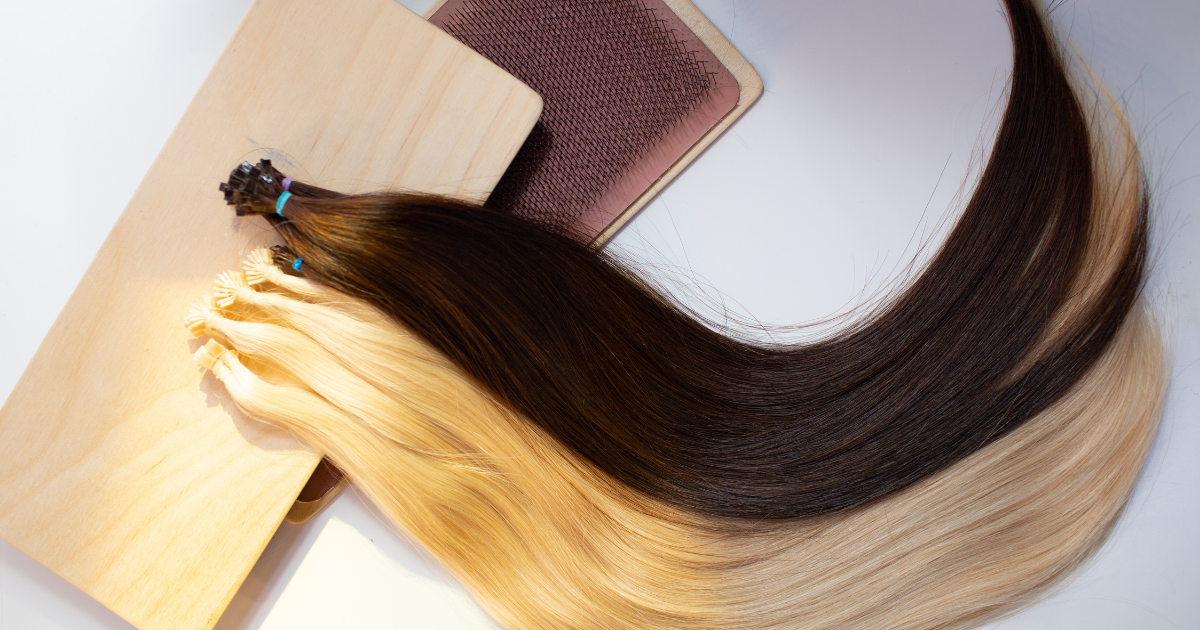
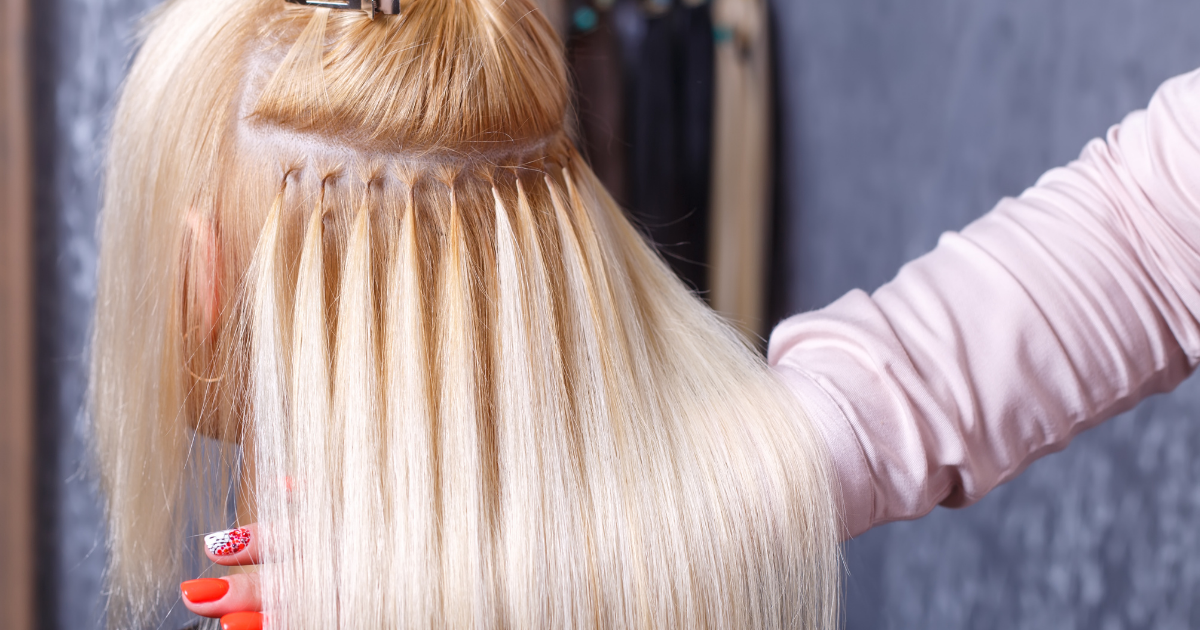
Seamless hair extensions are not defined by how they look in one carefully posed photo, but by how naturally they blend at the roots, through the lengths, around the perimeter, and in motion.
That distinction matters because believable extensions are not simply “extra hair.” They are a custom design project involving density, color, texture, attachment placement, cutting, and daily habits. When those elements agree, the result can look convincingly connected to the natural hair. When one is off, even beautiful extension hair may appear separate.
My favorite way to evaluate an extension plan is to forget the dramatic before-and-after reveal for a moment and look at the small details. Can the hair move freely? Does the color match in daylight? Can it be worn in the styles the client actually uses? Most importantly, does the installation feel comfortable?
A consultation often begins with an inspiration photo, but the natural hair sets the parameters. Its density, strength, length, texture, color history, and current condition influence how much added hair can blend comfortably.
Very long extensions create a different weight and visual line from a modest fullness enhancement. Fine hair may need restrained density and strategic concealment. Thick hair may require enough extension hair to prevent the natural perimeter from forming an obvious shelf.
Before settling on a look, discuss:
The strongest plan is not necessarily the one that adds the most hair. It is the one the natural hair can visually support and the wearer can comfortably maintain.
Length gets attention, but density makes or breaks the illusion. If extensions are much fuller than the natural hair near the crown and sides, the transition can look abrupt. If too little hair is added beneath a blunt, dense perimeter, the ends may look thin by comparison.
A stylist creates a density map by deciding where fullness is needed and where attachments should be limited. The area near the temples usually requires particular care because the hairline may be finer and more exposed. The lower back of the head may offer more coverage, but placement must still allow comfortable movement.
This is also where the final haircut matters. Gentle shaping can connect natural ends with extension lengths, distribute volume, and remove the shelf effect. Extensions should not just hang beneath the haircut; they should become part of its silhouette.
A flat swatch held against the roots tells only part of the story. Natural and colored hair often contains several tones at once, with different values near the scalp, through the middle, and at the ends.
A strong match considers:
The University of Virginia’s hair chemistry overview explains how hair structure, pigment, and chemical bonds influence texture and appearance. That complexity is one reason a single labeled shade may not create a convincing match on its own.
Always check the proposed match in neutral daylight when possible. Warm salon lighting can soften differences that become obvious outdoors.
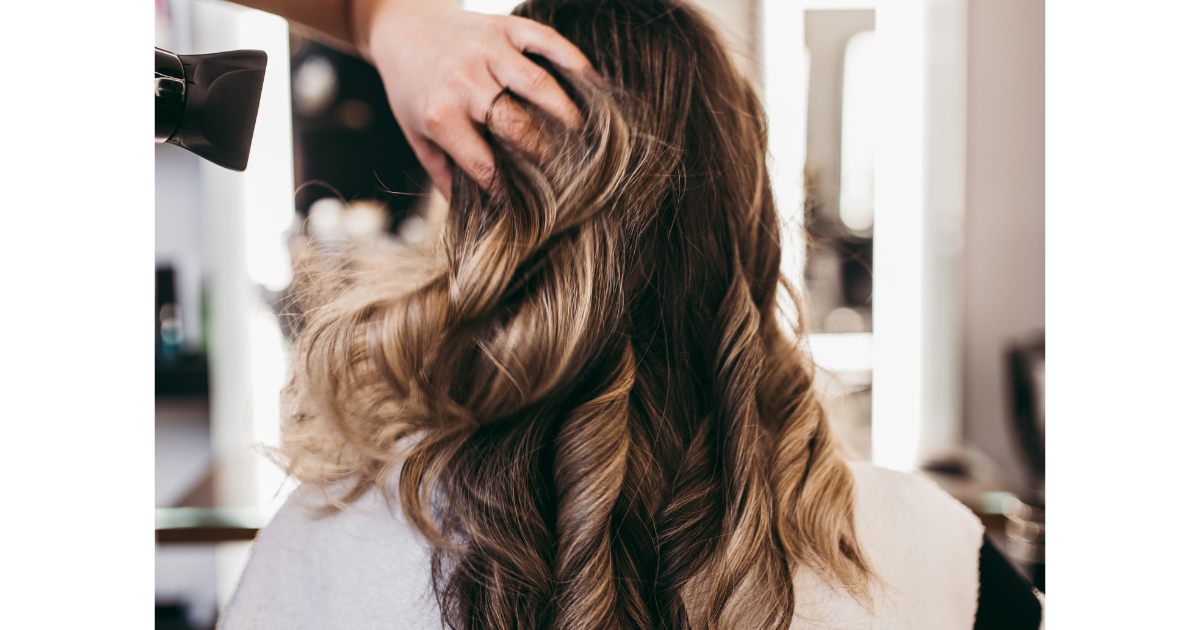
An extension blend should be considered in the hair’s common states, not only after a smooth blowout. If natural hair expands in humidity, forms waves as it air-dries, or holds a curl differently from the added hair, the textures may separate later.
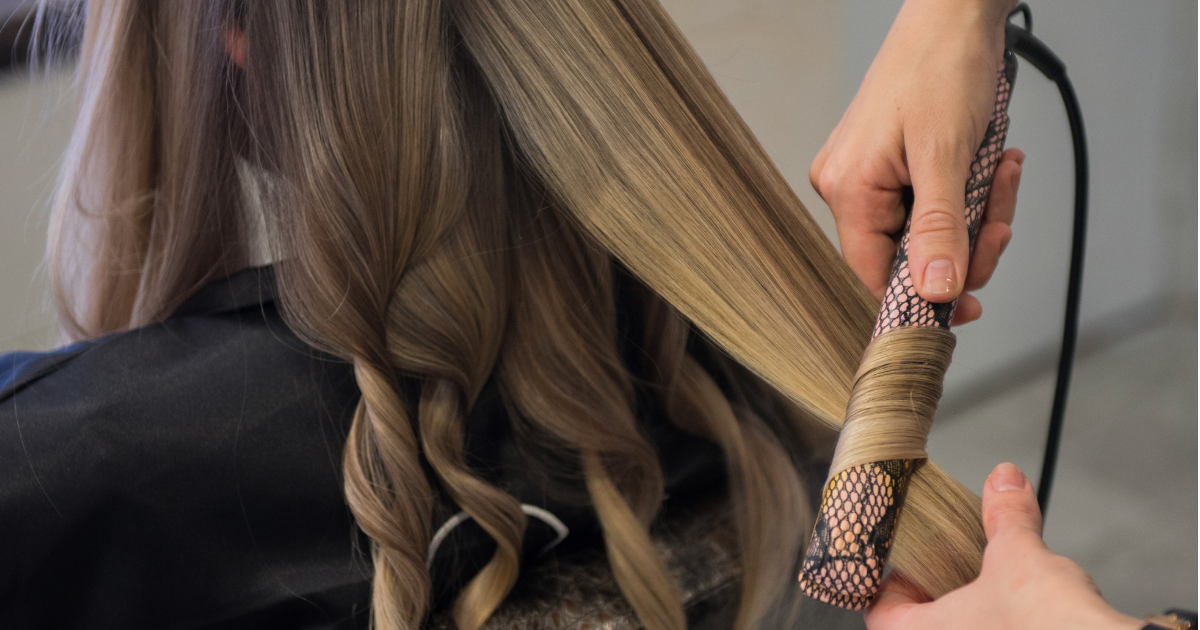
This does not mean both must be identical. Styling and cutting can help connect compatible textures. It does mean the routine should be discussed before installation. Ask what the hair will look like when air-dried, how readily it holds heat styling, and whether the extension hair needs a different moisture balance from your own.
A review of hair cosmetics and fiber care describes how cleansing and conditioning ingredients influence friction, static, manageability, and the hair surface. Product choice can affect the blend because natural hair and extension hair may respond differently to the same formula.
Hidden while the hair is down is only the first test. A useful placement plan also considers a low ponytail, half-up style, side part, tucked-back front section, and any other look worn regularly.
Also test the styles you plan to wear before leaving the salon. It is better to learn that a high ponytail exposes an attachment while the stylist can demonstrate an alternative.
Extensions should not require enduring persistent pain, pulling, or headaches. The American Academy of Dermatology’s extension-care guidance recommends professional installation and advises clients to speak up if a style hurts or feels too tight.
Repeated tension can contribute to traction alopecia, a form of hair loss associated with pulling. The AAD’s traction alopecia guidance identifies pain, stinging, scalp crusting, broken hairs near the forehead, and a receding hairline among warning signs that should not be ignored.
Some attachment systems use adhesives. People with known or suspected latex sensitivity should tell their stylist and ask about product ingredients. The U.S. Food and Drug Administration notes that certain hair-bonding adhesives may contain natural rubber latex and advises consumers to review labels or contact manufacturers when necessary.
Aftercare varies by method and product manufacturer, so the installer’s instructions come first. Still, a few general habits make sense:
The AAD’s healthy-hair advice recommends shampooing according to scalp oil and buildup, conditioning after washing, detangling gently, and limiting excessive heat. Its heat-styling guidance also suggests partially air-drying when practical and keeping flat irons on low or medium heat.
Remember that extension hair does not receive oil from the scalp in the same way growing hair does. The lengths may need thoughtful conditioning, but heavy or unsuitable products can compromise some attachment types. Ask for a short, written routine that identifies where each product belongs.
As natural hair grows, attachment points move farther from the scalp and the weight distribution changes. Maintenance gives the stylist a chance to assess tangling, shedding, scalp comfort, attachment condition, and the integrity of the natural hair.
Do not wait quietly through ongoing soreness, unusual breakage, or patchy thinning. Extensions can be adjusted or removed, while unexplained hair loss may need medical evaluation. Mayo Clinic’s hair-loss guidance recommends seeking medical advice for sudden, patchy, or unusually heavy hair loss.
4&Co Salon serves Rockville, Maryland, and lists both tape-in and sew-in extensions. Its service page describes tape-ins as thin, pre-taped wefts placed between sections of natural hair. The sew-in method uses silicone beads, nylon string, and a curved needle to attach wefts, with placement customized to the client’s head shape and desired look.
The salon offers a complimentary consultation to discuss added length, fullness, or color. That conversation is the right place to compare methods, assess the current hair, review maintenance expectations, and confirm what can be achieved comfortably.
Before calling an extension result seamless, look beyond the back-view photo. Check it in daylight. Change the part. Pull it into a familiar style. Run through the washing and styling routine. Notice how the scalp feels.
The real luxury is not simply having more hair. It is having added hair that respects the natural density, supports the desired style, moves convincingly, and fits into daily life without asking you to overlook discomfort. That is the blend worth investing in.