What I Look for in a Hair Salon in Lexington, KY
When choosing a hair salon in Lexington, KY , I look beyond the prettiest transformation photos and pay attention to consultations, stylist education, service options,…

When choosing a hair salon in Lexington, KY, I look beyond the prettiest transformation photos and pay attention to consultations, stylist education, service options, and how clearly the salon explains maintenance.
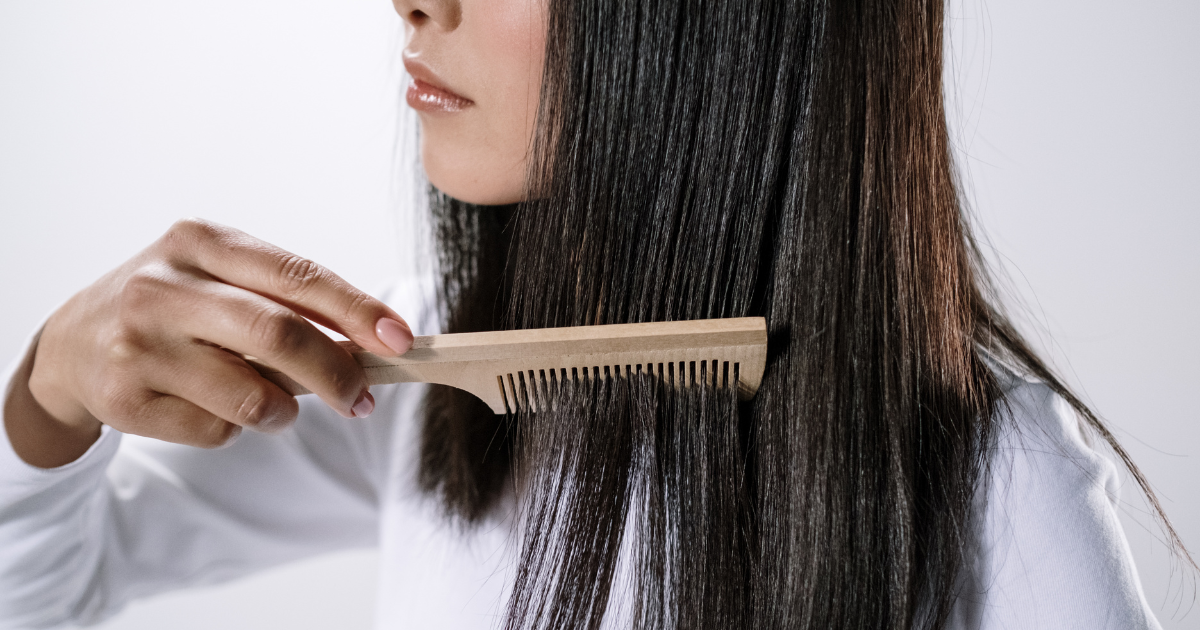
A great result should still work after the professional blowout is gone. The cut should suit your texture, the color should fit your schedule, and the home routine should feel realistic.
Whether you want a subtle refresh or a complete transformation, knowing what to evaluate can make the appointment easier and help you communicate what you actually want.
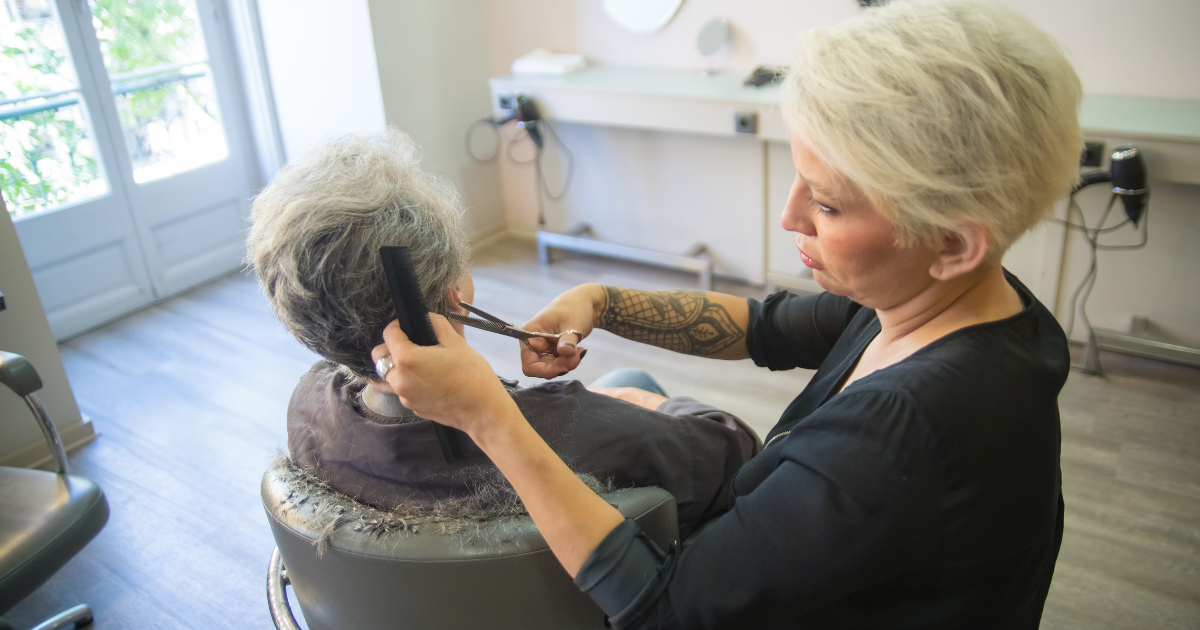
The consultation should feel like a real conversation, not a quick question asked while the stylist is already mixing color. Your stylist needs enough information to understand your current hair and the result you hope to achieve.
Expect to discuss:
I always recommend bringing more than one inspiration photo. Choose images that show the overall shape, color placement, length, or finish you like. If possible, include examples with a starting texture or density similar to your own.
Photos are references, not guarantees. Lighting, extensions, filters, styling, and the model’s original hair all influence what appears on the screen.
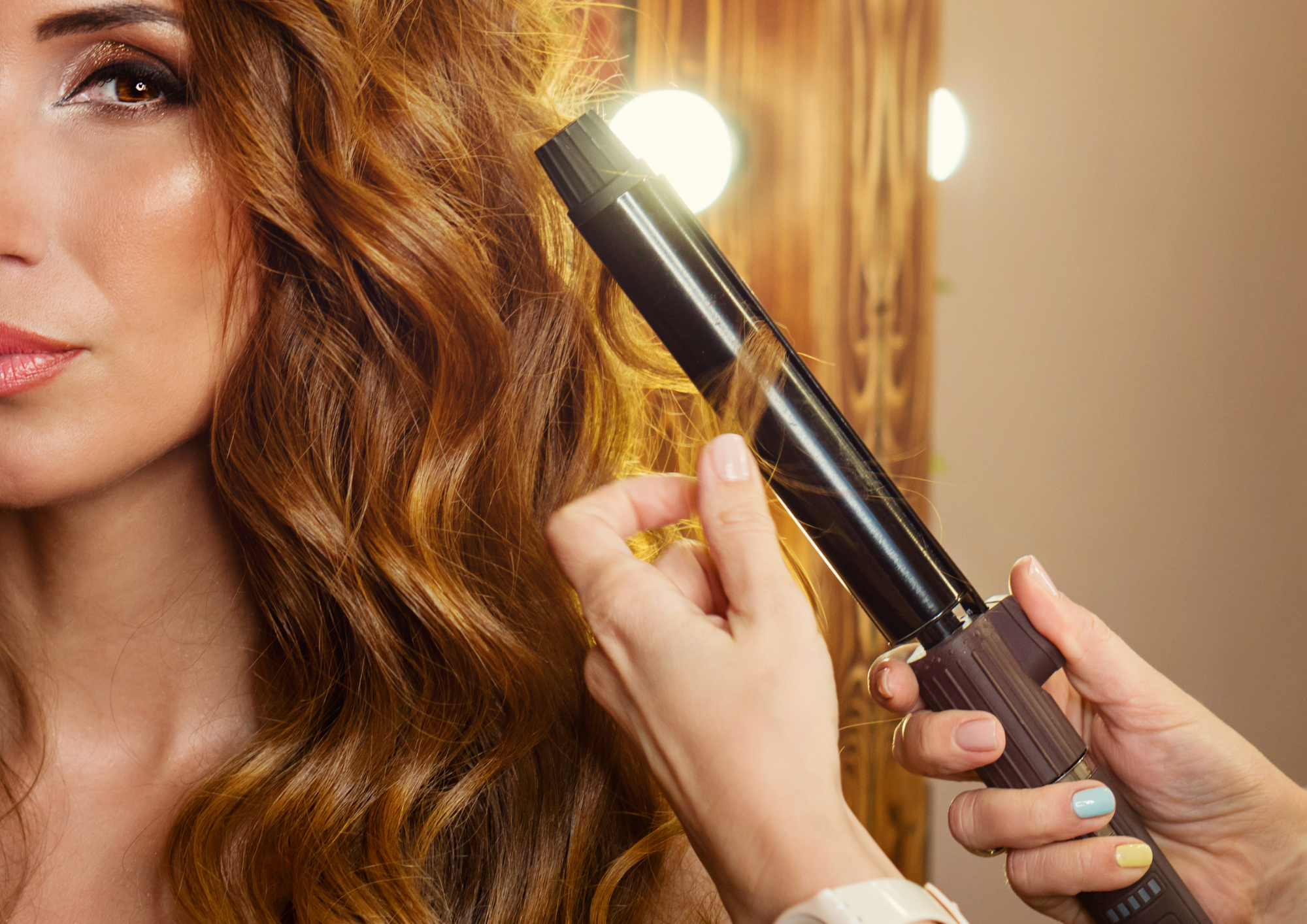
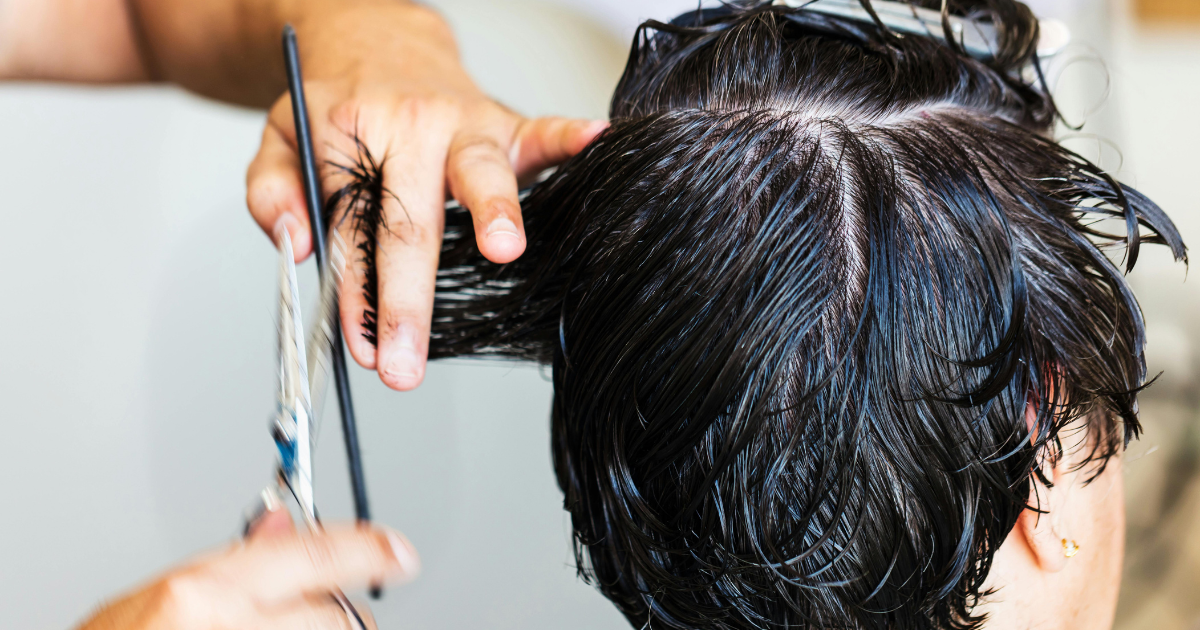
A trendy haircut can look effortless in a photograph while requiring several products, a round brush, and twenty minutes of heat styling in real life. Before committing, ask what the cut looks like when air-dried and how much daily work it requires.
Your stylist should consider:
The American Academy of Dermatology recommends gentle hair handling and limiting excessive heat. If your new cut requires daily high-temperature styling to look presentable, ask whether the shape can be adjusted for a simpler routine.
Highlights and balayage can both create dimension, but they are not interchangeable terms. Traditional highlighting generally uses organized sections to create brightness from the root or throughout the hair. Balayage refers to a hand-painted approach that can create softer transitions and customized placement.
The right technique depends on the desired result, starting color, maintenance preferences, and condition of the hair. Some looks combine more than one method.
Before booking, clarify whether you want:
A stylist can then choose the placement rather than relying only on the trend name used in your reference photo.
Hair color is a commitment, even when the goal is low maintenance. Root coverage, bright blonding, vivid shades, glosses, and dimensional color all fade or grow out differently.
Ask these questions before the service begins:
Hair dyes are regulated as cosmetics in the United States. The U.S. Food and Drug Administration provides consumer guidance about hair-color products, including instructions about following directions and completing recommended skin tests.
Tell the stylist about previous itching, burning, swelling, or other reactions before any color is applied.
Vivid fashion shades can be incredibly creative, but they are not usually wash-and-go color. Bright pigments may fade quickly, transfer to fabrics, or require a lighter starting canvas.
Anyone considering vivid color should ask about:
The exact result can also vary with hair porosity. More porous areas may absorb or release color differently from healthier sections.
A review available through the National Library of Medicine explains the structure of the hair shaft and how common cosmetic treatments can alter its physical properties.
Color correction may be needed after uneven dye, unwanted tones, excessive darkness, banding, or an at-home lightening attempt. This work is highly dependent on the starting condition.
Be completely honest about everything applied to the hair, including:
Corrective color may require multiple appointments. A responsible stylist may recommend an interim result rather than pushing compromised hair through an overly aggressive transformation.
The National Cancer Institute maintains an evidence-based overview of research examining hair dyes and human health for readers who want more context than beauty-industry claims typically provide.
“Hair treatment” can mean many different things. Before adding one, ask what it is intended to do and why it is being recommended for your hair.
Some treatments focus on softness and moisture, while others temporarily improve manageability, reduce friction, or support the appearance of chemically processed hair. No cosmetic treatment can permanently repair every form of structural damage.
The best recommendation should consider your texture, porosity, recent services, and home routine. More product is not automatically better.
Smoothing services may reduce frizz and make styling easier, but guests should understand which product is being used, how the service works, and what aftercare is required.
The FDA explains that some hair-smoothing products may release formaldehyde when heated. Consumers are encouraged to ask about ingredients, salon ventilation, and professional safety practices.
If you have asthma, respiratory sensitivity, allergies, or a previous reaction, discuss those concerns before booking. A professional should be willing to explain the product and process clearly.
Wedding, prom, portrait, and formal-event hairstyles often need to coordinate with the outfit, accessories, neckline, weather, and event schedule.
A trial appointment can help you test:
Bring photos of the outfit and accessories, but wear an inspiration style that still feels like you. A dramatic updo may be beautiful, yet it may not feel comfortable if you normally wear your hair softly around your face.
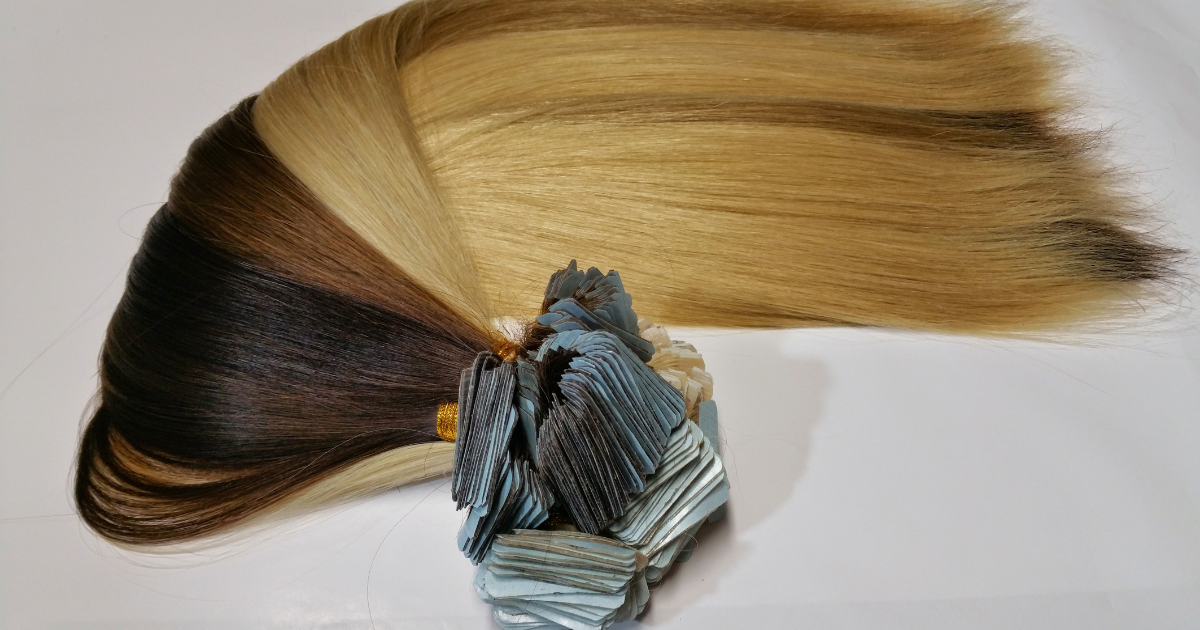
Ponytails, braids, extensions, and formal styles should feel secure without causing ongoing pain. Repeated tight styling can place stress on the hairline and other areas.
The American Academy of Dermatology explains that continuously wearing tight styles can contribute to traction alopecia. Early warning signs may include broken hairs, tenderness, or thinning around areas exposed to tension.
Tell your stylist immediately if a style feels painfully tight. Beauty should not require ignoring discomfort.
A salon can have many talented professionals, but each stylist may have different interests and strengths. One may love vivid color, while another focuses on balayage, corrective work, precision cuts, or formal styling.
Look at portfolios for examples resembling your texture and desired result. Also consider communication style. Technical skill matters, but so does feeling heard during the consultation.
Continuing education is another positive sign. Products, techniques, and client expectations change, so ongoing training helps stylists refine their skills while staying current.
Posh Salon and Spa serves Lexington through two distinct locations. Its Tates Creek Centre location operates as Posh Salon and is dedicated specifically to professional hair services.
The Tates Creek team offers haircuts, highlights, balayage, Brazilian Blowouts, vivid fashion colors, conditioning treatments, special-occasion styling, color correction, and other hair artistry services.
Guests seeking facials, massage, nail care, waxing, lashes, brows, or other spa services should book those appointments at the company’s Richmond Road salon and spa rather than the hair-focused Tates Creek location.
The most impressive salon result is not necessarily the boldest transformation. It is the cut or color that suits your features, supports your natural texture, and fits comfortably into your life.
Bring inspiration, but be honest about your maintenance limits. Share your complete color history, ask what the service will require at home, and speak up about sensitivities or discomfort.
A thoughtful consultation turns a trend into something personal. That is what makes a salon appointment feel successful long after the final styling photo is taken.