Booking professional makeup in Hamilton Square, NJ can take the guesswork out of getting ready for photographs, celebrations, formal events, and other occasions when you want a polished look designed around your features.
A makeup appointment should not feel like putting on someone else’s face. The most flattering result balances your preferences with the lighting, outfit, setting, photography, and amount of time the makeup needs to last.
Whether you want barely-there enhancement or full glam, preparation and communication matter just as much as the products applied.
Decide How You Want to Feel
Clients often describe makeup as “natural,” “soft,” or “glamorous,” but those words are open to interpretation. One person’s natural look may include sheer foundation and mascara, while another expects contour, lashes, and a neutral smoky eye.
Instead of relying on one description, tell your artist how you want to feel:
- Fresh and recognizable
- Polished but understated
- Romantic and softly defined
- Camera-ready and sculpted
- Bold, colorful, or fashion-forward
- Elegant enough for a formal evening
Also mention what you do not enjoy. If you dislike a matte complexion, heavy eyeliner, false lashes, strong brows, or visible contour, explaining that early helps the artist design a better look.
Bring Useful Inspiration Photos
Makeup photographs communicate color, placement, and intensity more clearly than words alone. Save a few examples that share a common direction instead of presenting ten completely different styles.
The most useful references show:
- The complexion finish you prefer
- Eye-makeup shape and intensity
- Brow definition
- Blush placement and color
- Lip tone and finish
- The overall level of glamour
Try to choose inspiration featuring similar skin tone, eye shape, coloring, or facial features when possible. A professional artist can adapt a style, but the same colors and placement will not look identical on every person.
Bring a photo of your outfit as well. Makeup does not need to match clothing exactly, but the complete look should feel intentional.
Tell Your Artist About the Event
Makeup for a daytime portrait session may require a different approach from makeup for a candlelit reception. The artist should know where you are going, what time the event begins, and how the finished look will be photographed.
Share practical details such as:
- Whether the event is indoors or outdoors
- The expected temperature and humidity
- Whether flash photography or video will be used
- How many hours the makeup needs to last
- Whether you expect to dance, perform, or speak onstage
- If you will be changing outfits
- Whether you wear glasses or contact lenses
For engagement photos, headshots, performances, and formal events, a slightly more defined application may prevent features from looking washed out on camera. That does not mean the makeup needs to appear heavy in person.
Prepare Your Skin Without Overdoing It
Smooth makeup begins with comfortable, well-cared-for skin, but an event is not the ideal time to test an aggressive new skincare routine.
During the week before your appointment, continue using familiar products that do not irritate your skin. Avoid experimenting with strong peels, abrasive scrubs, or several new active ingredients immediately before the event.
The American Academy of Dermatology recommends a straightforward routine based on gentle cleansing, moisturizing, and sun protection.
On the day of the appointment:
- Cleanse your face gently
- Use moisturizer appropriate for your skin
- Follow any preparation instructions from the artist
- Avoid picking at blemishes or peeling skin
- Arrive on time with a clean face unless instructed otherwise
Do not layer several oils, masks, and rich creams in an attempt to create instant hydration. Too much product can affect how complexion makeup sits and wears.
Disclose Allergies, Sensitivities, and Skin Conditions
Professional-grade products can still cause reactions in sensitive individuals. Tell your artist about known allergies, eczema, rosacea, acne treatments, recent procedures, or previous reactions to cosmetics and adhesives.
The U.S. Food and Drug Administration explains that fragrances, preservatives, dyes, metals, and other cosmetic ingredients may trigger allergic reactions in some people.
If you have a known allergy, bring the ingredient information or product name rather than describing it only as “sensitive skin.” That detail gives the artist a clearer basis for selecting or avoiding products.
Significant swelling, hives, difficulty breathing, or another severe reaction requires prompt medical attention. A makeup artist can modify a cosmetic application but cannot diagnose or treat a medical condition.
Hygiene Is Part of Professional Makeup
A beautiful application should also use clean, hygienic practices. Professional artists typically sanitize hands and tools, use clean brushes, and avoid contaminating products shared between clients.
Disposable applicators may be used for mascara and lip products, while cream products can be removed from their containers with sanitized tools and placed on a clean palette.
The FDA’s eye-cosmetic safety guidance advises consumers not to share eye makeup and to avoid using cosmetics when the eye or surrounding skin is infected or inflamed.
If you have conjunctivitis, a stye, significant eye irritation, or another contagious condition, reschedule the service and seek appropriate medical care.
Contact Lenses Need Special Consideration
If you wear contacts, tell the artist before eye makeup begins. Follow your eye-care provider’s instructions regarding whether lenses should be inserted before the appointment.
Keep products away from the inner eye and avoid applying cosmetic glitter or pigment in a way that can fall beneath a contact lens. If a product enters the eye, do not rub aggressively.
The Centers for Disease Control and Prevention recommends washing and drying hands before handling contact lenses and keeping lenses away from water.
Bring glasses and contact-lens supplies to important events as a backup. Persistent redness, pain, discharge, light sensitivity, or blurred vision should be evaluated by an eye-care professional.
Choose the Right Complexion Finish
Foundation should even the complexion without hiding every natural feature. The ideal coverage depends on personal preference, skin condition, lighting, and photography.
Common finishes include:
- Sheer: Light evening of the complexion with visible natural skin
- Medium: Balanced coverage that can be built in selected areas
- Full: More complete coverage for a perfected, formal finish
- Radiant: A luminous appearance with controlled glow
- Natural satin: Neither strongly dewy nor completely matte
- Matte: Reduced shine with a velvety appearance
Full coverage does not need to feel cakey, and natural makeup does not mean skipping complexion products entirely. Strategic application often creates a more comfortable and realistic result than applying one heavy layer everywhere.
Acne Does Not Need to Be Completely Hidden
Makeup can soften the appearance of redness and blemishes, but active acne has texture that will remain visible under certain lighting. Adding more concealer does not always make the surface appear smoother.
The American Academy of Dermatology recommends choosing makeup labeled noncomedogenic, non-acnegenic, or oil-free for acne-prone skin and removing makeup before sleeping.
Tell the artist whether you prefer lighter coverage that lets the skin show or more correction for photographs. The goal should be an application that helps you feel confident without promising an impossible filter-like finish.
Match the Eye Makeup to Your Comfort Level
Eye makeup can range from softly defined lashes and neutral shadow to graphic liner, shimmer, or a dramatic smoky effect.
If you rarely wear eye makeup, an extremely dark style may feel distracting even if it is technically well executed. A softer version can still define the eyes for photographs.
Discuss:
- Whether you want matte, satin, or shimmer shadow
- Your preferred eyeliner thickness
- How much lower-lash definition you like
- Whether you are comfortable wearing lashes
- Any sensitivity to adhesive or mascara
- Whether your eyes tend to water
Speak up during the appointment if something feels uncomfortable. Persistent burning or sharp irritation is not something to ignore for the sake of completing the look.
Select a Lip Color You Can Maintain
A deep red or glossy nude may look gorgeous at the beginning of the evening, but every lip product requires some maintenance after eating and drinking.
Ask what color was used and whether you should bring a similar lipstick or gloss for touch-ups. A neutral pencil and lip color may be easier to reapply without a mirror than a crisp, saturated shade.
Before applying a tester or shared product, confirm that it has been dispensed hygienically. The FDA’s cosmetic-safety information reminds consumers to use products as directed and discontinue anything that causes irritation.
Build a Small Touch-Up Kit
Even long-wearing makeup may need a few adjustments after hours of heat, movement, eating, and photographs.
A useful event kit may contain:
- Your lip color or gloss
- Blotting paper
- A small amount of pressed powder if recommended
- Cotton swabs
- Tissues
- Contact-lens supplies if applicable
- Sunscreen suitable for reapplication
Blot moisture before adding powder. Repeatedly applying powder over perspiration or oil can create a heavy texture.
Do Not Forget Sun Protection
Makeup containing SPF may not provide adequate protection when applied in the small amount normally used for cosmetic coverage.
The U.S. Environmental Protection Agency’s UV Index can help you understand the level of ultraviolet exposure expected during outdoor events or photoshoots.
Use an appropriate broad-spectrum sunscreen as part of your preparation, along with shade, hats, and protective clothing when practical. Ask your makeup artist how sunscreen should be layered beneath the selected complexion products.
Makeup Services at blō Out Lounge and Colour Bar
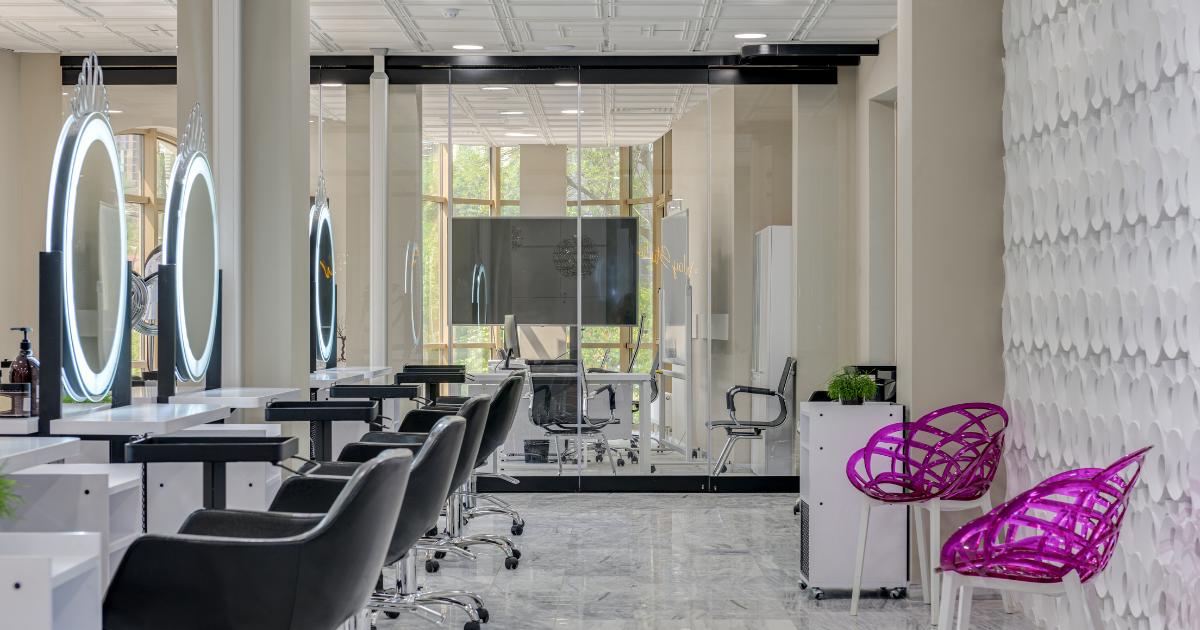
blō Out Lounge and Colour Bar provides professional beauty services at 3695 Nottingham Way in Hamilton Square, New Jersey.
Its confirmed makeup menu includes a customized Full Face Makeup service for occasions ranging from subtle personal enhancements to full-glam transformations. The salon’s makeup artisans tailor the application to each client’s features, preferences, and event while using professional-grade products.
The appointment also emphasizes education. Artists can explain application techniques and offer practical tips that clients can use in their own beauty routines.
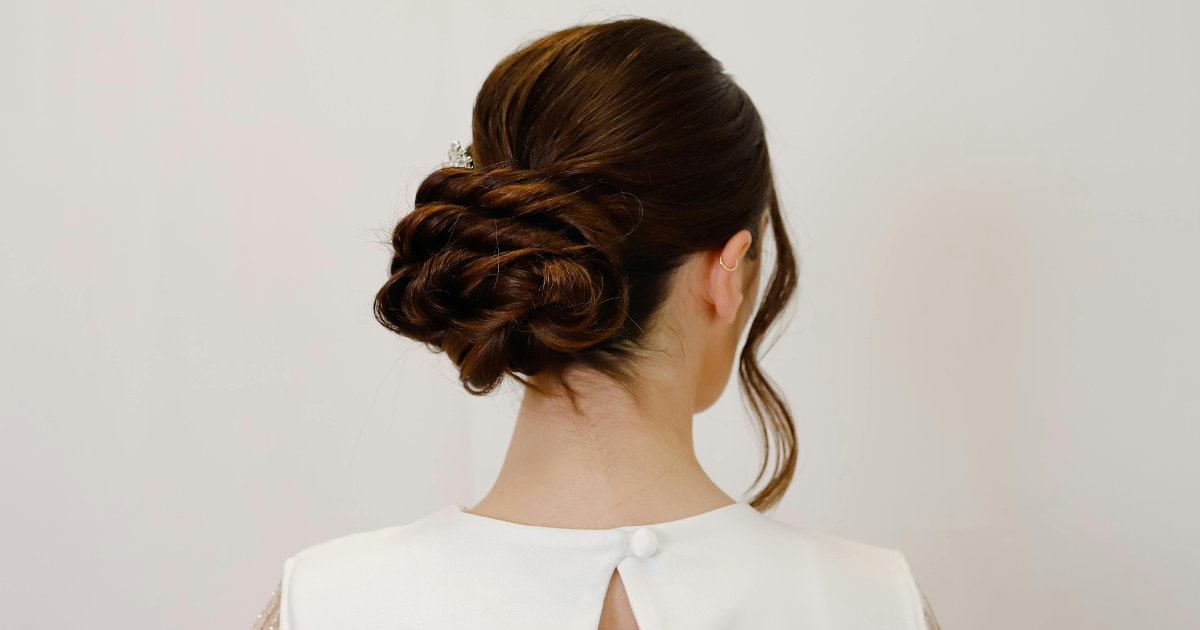
For weddings, the lounge offers separate bridal makeup and hairstyling services for the bride, wedding party, and flower girls. Bridal services are available both in the lounge and at off-site locations, with lashes available if desired for the bride and wedding party makeup options.
The Best Makeup Still Feels Like You
Professional makeup should help you feel prepared, confident, and comfortable—not disguised. The strongest application considers your features, personal style, event, lighting, and tolerance for different products.
Bring useful inspiration, explain your preferences honestly, and disclose allergies or sensitivities before the application begins. Ask questions when you want to understand a technique or product.
Whether the final look is softly enhanced or unapologetically glamorous, it should feel intentional when you see it in the mirror and unmistakably yours when you look back at the photographs.